
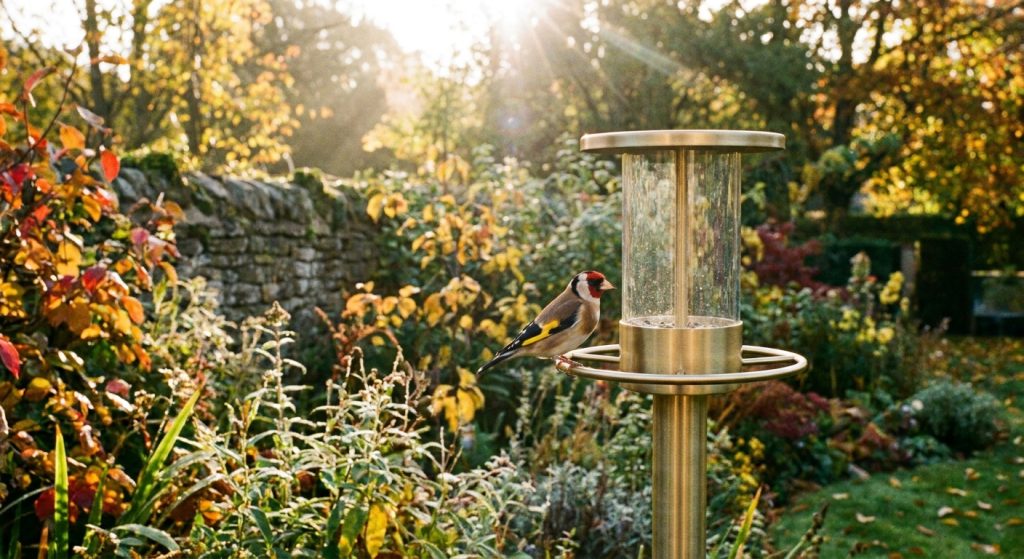
As the days shorten and the air turns crisp, the UK landscape undergoes a dramatic transformation driven by the annual autumn migration. For enthusiasts with a bird feeder camera, this period offers an unparalleled opportunity to capture rare visitors and high-activity footage that simply isn’t possible at other times of the year.
What Autumn Migration Is and Why It Matters
Autumn migration is the seasonal movement of birds from their northern breeding grounds to warmer wintering areas, with many species passing through or settling in the UK. This phenomenon is not merely a change in scenery; it is a biological imperative that brings a surge of activity to our gardens as birds refuel for their arduous journeys. For those using a bird feeder camera, this means your garden becomes a vital pitstop for species you might not see during the summer months.
Understanding this movement is crucial for any birdwatcher because it dictates the timing of your equipment setup. As birds like goldfinches, starlings, and various thrushes move through the landscape, they are often more focused on finding high-energy food sources than they are on avoiding human presence. By having your camera ready during these peak weeks, you are perfectly positioned to record unique behaviours and identify species that are only present in your area for a fleeting moment.
In the UK, this period is particularly exciting as we see a mix of resident birds preparing for winter and migrants arriving from Scandinavia and beyond. The increased competition for food at your feeders creates dynamic interactions, providing the perfect dramatic footage for your smart bird feeder. Whether you are a casual observer or a dedicated enthusiast, recognizing the onset of migration allows you to prepare your garden to be the most attractive destination in the neighbourhood.
Key Benefits of Using a Camera During Migration
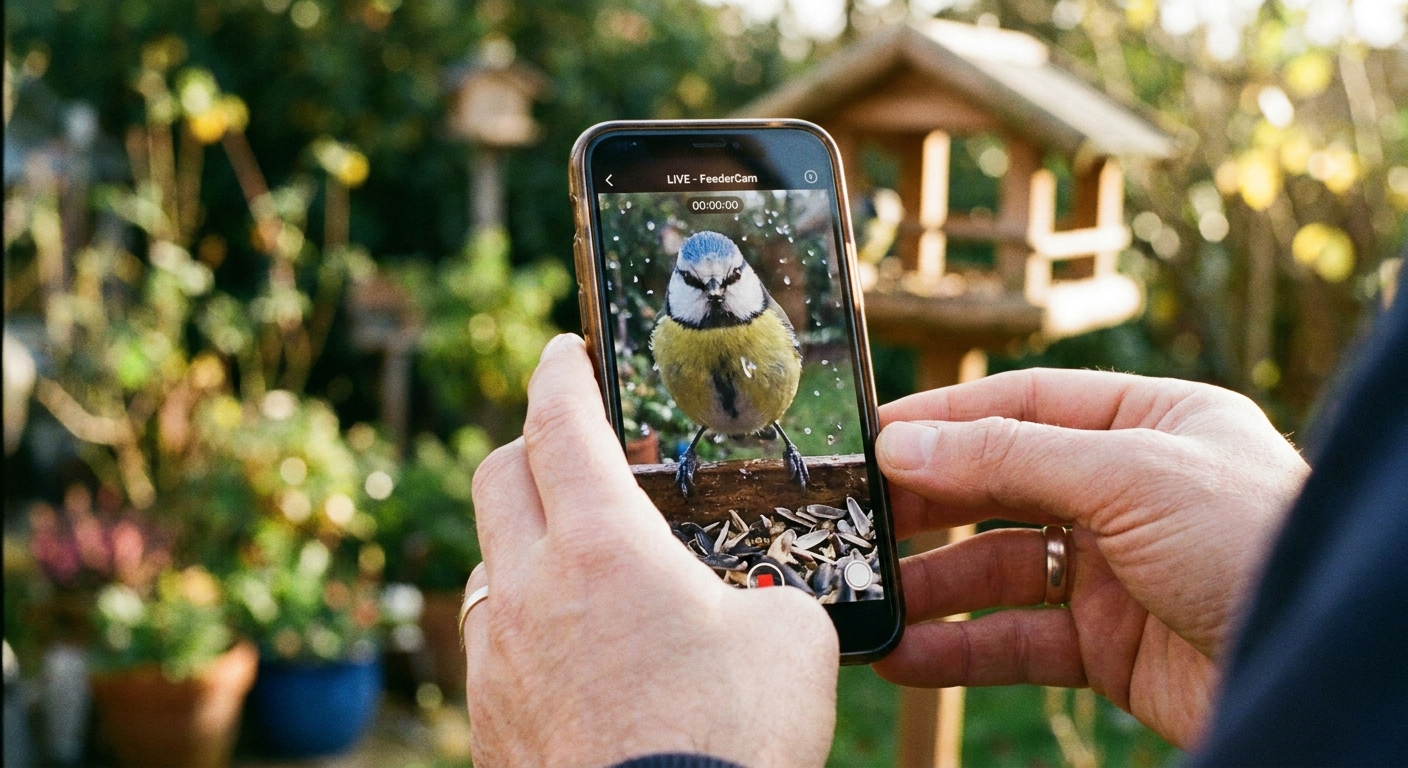
The primary benefit of using a bird feeder camera during the autumn migration is the sheer volume and variety of bird traffic. During this time, birds are driven by a biological need to store fat, making them less shy and more frequent visitors to your feeding stations. A high-quality camera allows you to capture these moments in crisp detail, providing you with a digital archive of your garden’s biodiversity that you can review and share with friends or online communities.
Beyond simple observation, a camera provides an educational tool that helps you learn about bird identification in real-time. Many modern smart feeders come equipped with AI recognition software that identifies the species visiting your garden, which is invaluable when you encounter a migrant you haven’t seen before. This technology turns your garden into a living classroom, helping you distinguish between a common house sparrow and a more elusive migrant visitor with ease.
Furthermore, the social aspect of sharing your footage cannot be overstated. Autumn migration often brings rare sightings that are highly valued by the birdwatching community. By capturing high-definition video of these birds, you contribute to a broader understanding of local migration patterns while enjoying the personal satisfaction of documenting nature’s cycles. It transforms a passive hobby into an active, engaging pursuit that keeps you connected to the natural world throughout the colder months.
Important Things to Know Before You Start
Before you rush to install your camera, it is essential to understand the logistics of bird feeding during the autumn. A common beginner mistake is assuming that feeding birds will delay their migration or make them dependent on your garden; how to clean your bird feederever, scientific evidence suggests that migration is triggered by day length and hormonal changes, not by the availability of food. You can confidently keep your feeders stocked, as you are providing a necessary energy boost for their long-distance travel.
Another critical consideration is the placement of your camera relative to the feeder. You want to ensure that the lens is positioned to capture the birds’ faces and markings clearly, which often requires some trial and error. Avoid placing the camera in a position that faces directly into the low autumn sun, as this will cause glare and ruin your footage. Instead, aim for a north-facing or shaded position that provides consistent lighting throughout the day.
Finally, be mindful of the maintenance required for your feeding station during this busy season. With more birds visiting, your feeders will empty faster and require more frequent cleaning to prevent the spread of diseases. A dirty feeder can quickly become a health hazard, so incorporate a cleaning schedule into your routine. By keeping the area hygienic and the food supply consistent, you ensure that your garden remains a safe and reliable stopover for the migrating birds you hope to photograph.
How to Choose the Right Bird Feeder Camera
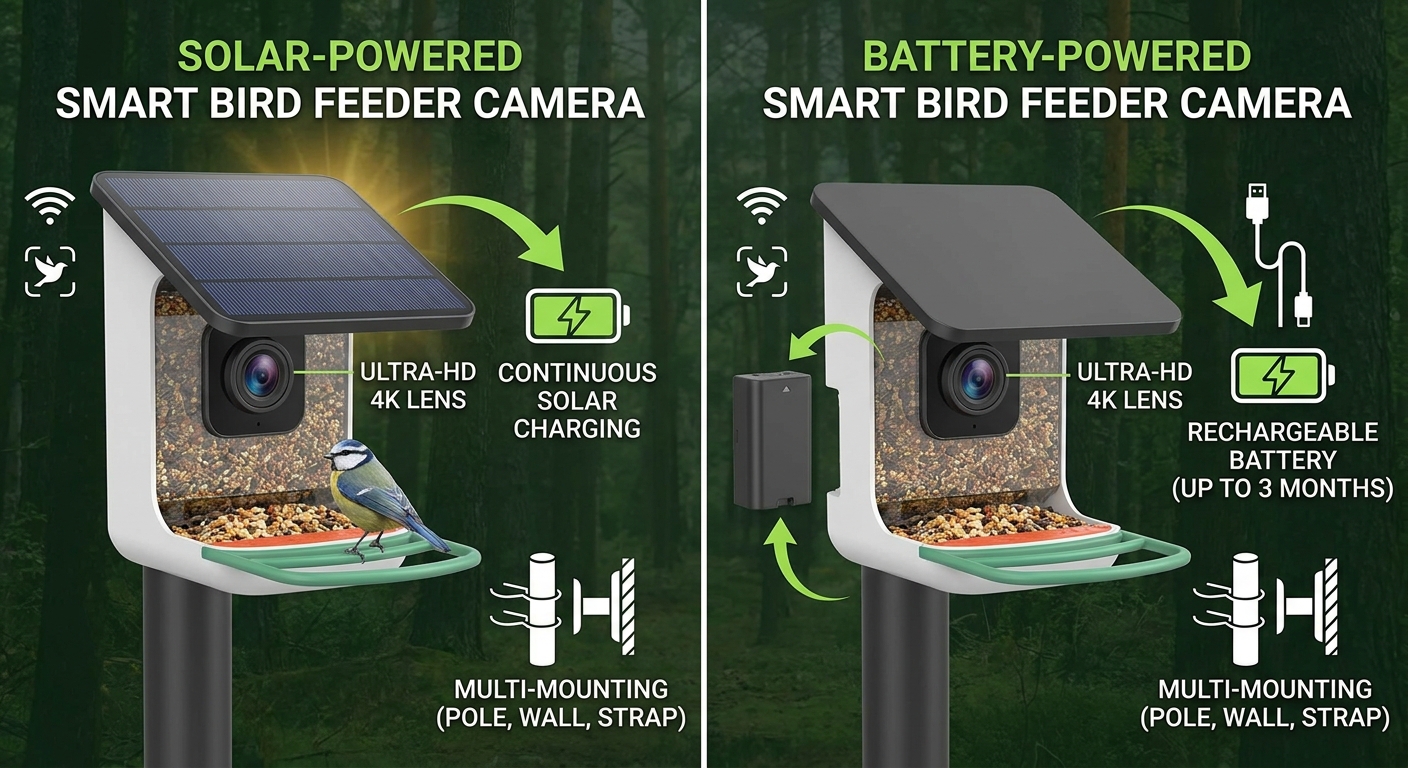
Selecting the right bird feeder camera involves balancing image quality, battery life, and connectivity features. For the best bird feeder cameras results during the autumn, look for a camera that offers at least 1080p resolution and a wide-angle lens to ensure you don’t miss any of the action. Night vision capabilities are also a significant advantage, as some migratory species may be more active during the twilight hours or early morning when the light is still low.
Connectivity is another major factor to consider, especially if your garden is large or your Wi-Fi signal is weak. Many modern cameras offer long-range Wi-Fi or even cellular data options, ensuring that you receive real-time alerts on your smartphone whenever a bird lands. Consider whether you prefer a battery-powered unit, which offers flexibility in placement, or a solar-powered model that provides a more ‘set-and-forget’ experience throughout the autumn season.
When comparing models, look for features like motion-activated recording and cloud storage options. These features ensure that you don’t have to sift through hours of empty footage to find the interesting clips. Some premium models also include two-way audio or integrated bird baths, which can further increase the appeal of your garden to a wider range of species. By investing in a system that aligns with your specific needs and garden layout, you set yourself up for a successful season of birdwatching.
Common Mistakes and How to Avoid Them
A frequent error is failing to secure the camera properly, leading to shaky footage or the camera being knocked over by larger birds or squirrels. Always ensure your mounting bracket is sturdy and that the camera is firmly attached to the feeder or a nearby post. If you find that squirrels are a persistent issue, consider investing in a squirrel-proof feeder or a baffle that prevents them from reaching the camera and the food source.
Another mistake is neglecting the background of your shot. A cluttered or busy background can make it difficult for the camera’s autofocus to lock onto the birds, resulting in blurry images. Try to position your feeder against a neutral, distant background, such as a hedge or a fence, to create a pleasing depth of field. This simple adjustment can drastically improve the professional quality of your footage and make your bird identification much easier.
Lastly, many users forget to check their storage capacity regularly. During the peak of migration, your camera might trigger hundreds of recordings a day, which can fill up your SD card or cloud storage quickly. Set a reminder to clear your storage or download your favourite clips at the end of each week. By staying on top of these small maintenance tasks, you avoid the frustration of missing out on a rare visitor simply because your camera ran out of space.
Frequently Asked Questions
Should I stop feeding birds in autumn?
No, you should continue feeding. Migration is triggered by natural instincts like day length, and your feeders provide essential energy for birds on their journey.
What is the best time of day to record birds?
Early morning and late afternoon are typically the most active times for birds, as they look to refuel at the start and end of their day.
How do I keep squirrels away from my camera?
Use a baffle on the pole, choose a squirrel-proof feeder design, or place the feeder in an open area away from jumping points like trees or fences.
Autumn migration is a truly magical time for any birdwatcher, and having a bird feeder camera allows you to witness the beauty of these travellers up close. By preparing your equipment, maintaining your feeders, and following these simple tips, you can capture incredible footage that celebrates the natural world right in your own garden.