
1. What Attracts Garden Birds? Exploring the Significance of Providing Food
Watching birds flitter around your garden can be one of the most rewarding experiences for nature lovers. By selecting the right food, you can turn your outdoor space into a haven for various bird species, inviting joy and life. The right bird food plays a significant role in attracting a diverse range of birds, enhancing not only your viewing pleasure but also your garden’s ecosystem.
Understanding the importance of providing the best bird food for UK garden birds can significantly improve your wildlife watching experience. Birdwatching enthusiasts and families alike can come to appreciate the diverse species that visit their gardens when offered suitable nourishment. From attracting rare birds to nurturing the local wildlife, providing balanced bird food promotes a thriving ecosystem that is beneficial for both the birds and the gardeners. In this guide, you will discover the best bird food options, tips for attracting various bird species, and ways to create a welcoming environment.
2. Understanding the Dietary Needs of UK Garden Birds
To create a nourishing environment for birds, it’s important to understand the dietary requirements of various species found in UK gardens. Commonly, garden birds are categorised into three types: seed-eaters, insectivores, and berry-lovers. Each group has distinct nutritional needs that help them thrive.
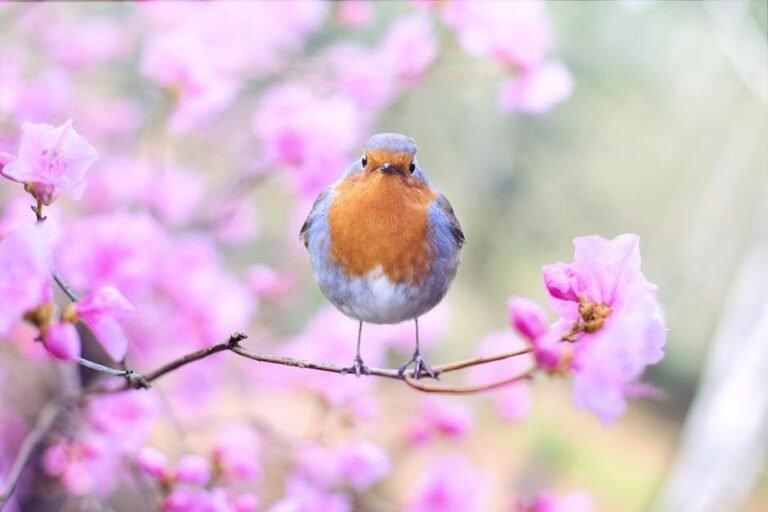
Seed-eaters like finches and sparrows often require a mixture of seeds, while insectivores such as robins and wrens benefit from protein-rich insects or mealworms. Berry-lovers like thrushes and blackbirds seek out fruits as a key part of their diet. Consequently, understanding these dietary needs will guide you in selecting suitable bird food options.
- Fruits: Offering fruits not only attracts berry-loving birds but also contributes to their overall health.
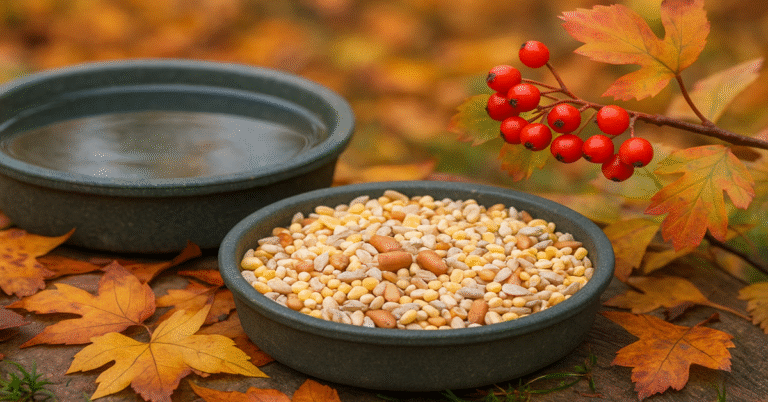
- Seed Mixtures: A blend of seeds caters to various species, ensuring a diverse bird population visits your garden.
- Fat Balls and Suet: These high-energy options are essential, especially during colder months when food is scarce.
3. The Best Bird Food Options for UK Gardens
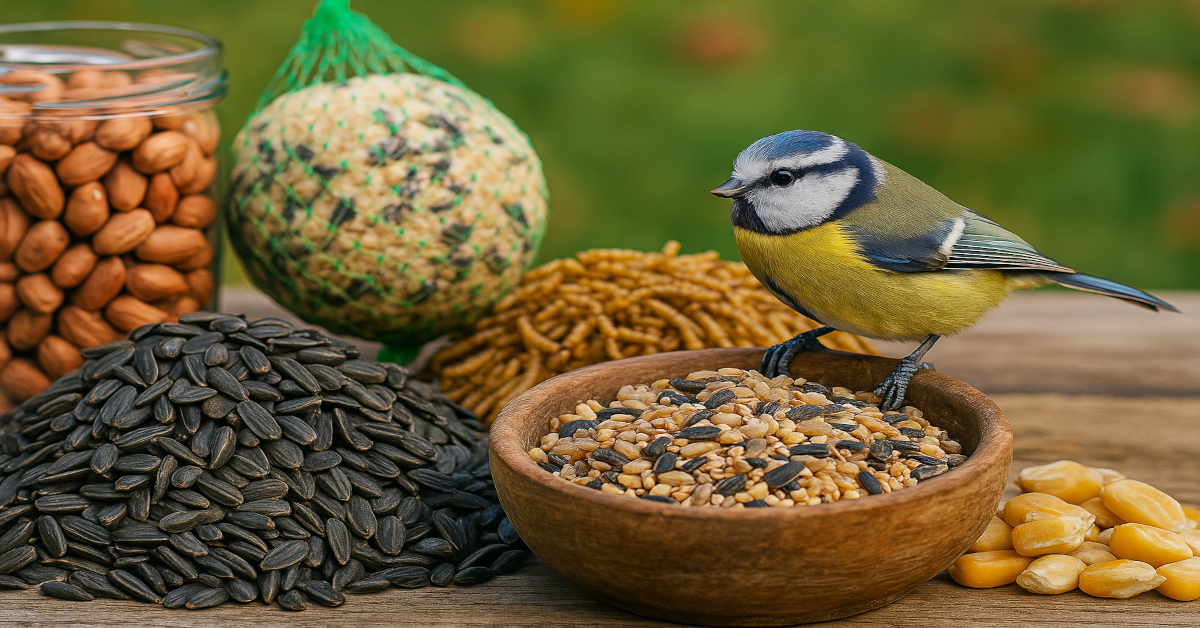
When it comes to attracting birds, the right seed choices can significantly enhance your garden’s appeal. Sunflower seeds are a favourite among many species due to their high oil content, making them an excellent source of energy. Additionally, nyjer seeds attract smaller birds like goldfinches, while unsalted peanuts cater to larger species such as titmice.
Suet is another popular choice, particularly in the winter months, as it provides much-needed energy. Fat balls and suet cakes are particularly effective in preventing energy depletion. For families seeking educational experiences, introducing live food options such as mealworms can be illuminating. Not only do they attract insectivorous birds during breeding seasons, but they also present fun opportunities for children and adults alike to observe nature closely.
- Live Food Offerings: Mealworms and insects, beneficial during breeding seasons.
- Top Seed Choices: Sunflower seeds, nyjer seeds, peanuts.
- Suet Treatments: Fat balls and suet cakes, perfect for colder months.
4. Creating an Inviting Bird Feeding Environment
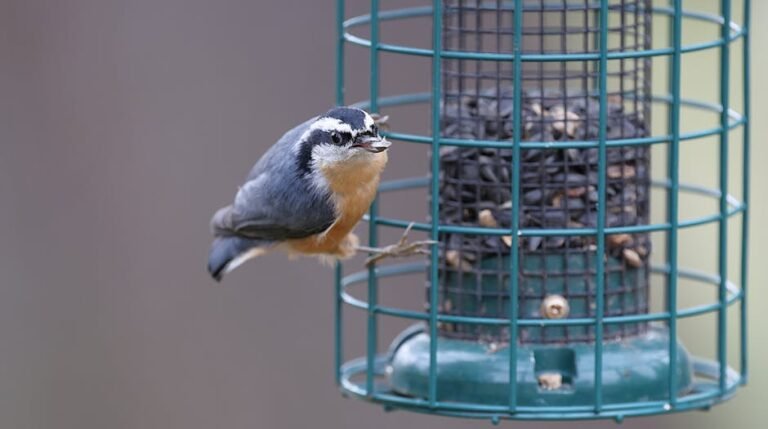
Cultivating a welcoming feeding environment can significantly enhance bird visitation. Choosing the right feeders is crucial; different types accommodate various food options, from seed feeders to suet holders. Ensure feeders are weatherproof and easy to clean to maintain a hygienic feeding station.
Placement of bird feeders can make a considerable difference in attracting birds. Position them in a quiet spot near trees or shrubs, which provide cover from predators. A well-thought-out garden layout that includes multiple feeders can cater to different species’ preferences and feeding habits.
- Choosing the Right Feeders: Explore options like tube feeders, platform feeders, and window feeders.
- Best Locations for Bird Feeders: Near potential shelter, such as trees and shrubs, to encourage visits.
- Maintenance Tips: Regular cleaning of feeders and replacing old food to promote health and safety.
5. Common Mistakes to Avoid When Feeding Birds
While providing food to birds can seem straightforward, several common mistakes can negatively impact their health and visitation. One prevalent error is relying too much on one type of food. This can lead to a lack of variety in the diet of visiting birds, making your garden less attractive to different species.
Another mistake is overlooking freshness; stale or spoiled food can harm birds. It’s crucial to routinely check and refill feeders, ensuring that offerings are appealing and safe. Furthermore, improper placement can deter birds from visiting due to safety concerns from local predators. Understanding how to prevent these mistakes can lead to a healthier and more diverse bird population in your garden.
- Over-Reliance on Inadequate Food: Ensure variety to maintain a diverse bird population.
- Ignoring Freshness: Regularly check and replace old food to prevent spoilage.
- Placement Issues: Position feeders away from high-risk areas to improve bird safety.
6. Encouraging a Sustainable Bird Feeding Habit
In an era of growing ecological consciousness, choosing eco-friendly bird food options is important. Opting for sustainably sourced seeds and fats not only benefits the birds but also supports larger environmental efforts to protect local habitats. Creative solutions like homemade bird food can also ensure the feed fits your garden environment while helping you control ingredients.
Caring for local wildlife enhances the broader ecological balance. Families can engage in educational experiences through family activities such as building homemade bird feeders from recycled materials, growing native plants for natural food sources, and observing birds in their natural habitats. These activities foster a connection with nature while supporting local biodiversity.
- Educational Family Activities: Gather the family to learn about local species and create bird-friendly environments.
- Sourcing Eco-Friendly Bird Food: Choose products that align with ecological standards for sustainability.
- Supporting Local Wildlife: Understand how responsible feeding can contribute to a more balanced ecosystem.