
Essential Background on Bird Feeder Cameras for Enthusiasts
Bird feeder cameras have transformed the way enthusiasts connect with nature, providing a front-row seat to the fascinating world of avian visitors. These cameras not only allow individuals to observe birds in real-time, but they also create opportunities for recording their behaviours and interactions for later enjoyment. As interest in birdwatching has surged, many hobbyists have turned to innovative technology to enhance their experience. High-resolution cameras designed for outdoor conditions have become readily available, making it easier than ever for anyone to start their birdwatching journey.
When considering how to set up your bird feeder camera, it’s important to recognise key factors such as camera type, positioning, and environmental conditions. Having the right gear is just as essential as knowing the best practices for capturing those awe-inspiring moments at your feeder. With careful planning and the right equipment, you can enjoy a more immersive birdwatching experience and share those moments with fellow enthusiasts.
Choosing the Right Bird Feeder Camera for Optimal Results
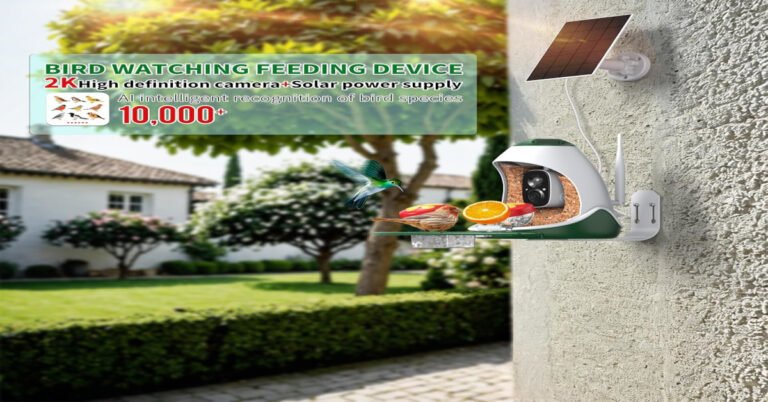
Before embarking on your bird feeder camera installation, understanding the various options available will help you select the best system suited for your needs. Wireless cameras are ideal for easy installation and provide remote access, allowing users to view live feeds from their smartphones or computers. Alternatively, infrared cameras offer the ability to capture nocturnal activity, ensuring that no bird is left unseen, regardless of the time of day.
In addition to camera types, resolution is another critical factor to consider when choosing a bird feeder camera. Cameras with high-definition (HD) capabilities, such as those offering a resolution of 1080p or higher, are essential for capturing fine details such as feather patterns and unique bird behaviours. These features contribute to an enhanced viewing experience, making it worthwhile to invest in quality technology that accommodates your birdwatching aspirations.
Effective Placement Strategies for Your Bird Feeder Camera
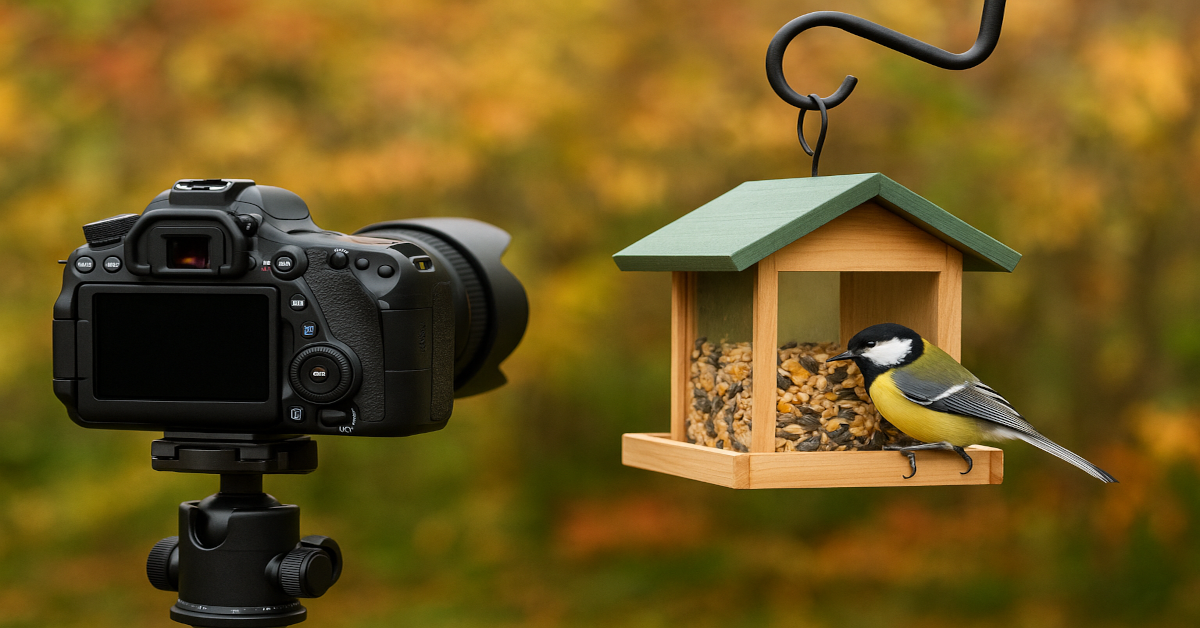
Now that you have chosen your bird feeder camera, it’s important to focus on placement. The positioning of the camera has a significant impact on the quality of the footage captured. For optimal results, aim for a distance of approximately six to ten feet from the feeder, which allows for close-up shots without scaring the birds away. This balance helps to achieve vivid images while ensuring that the birds feel safe and secure.
Height is another important factor when setting up your bird feeder camera. Elevating the camera reduces obstructions and provides a natural perspective of the birds as they interact at the feeder. Additionally, make sure the camera is aligned to avoid any interference from branches or other objects that could obstruct the camera’s view. Keeping these considerations in mind will help you maximise your birdwatching experience and encourage a variety of birds to visit.
Technical Tips for Optimising Your Bird Feeder Camera Setup
Lighting conditions play a critical role in the quality of the video captured by your bird feeder camera. Ideally, position the camera in a spot that receives ample natural light, while also steering clear of direct sunlight that could create glare. Early morning or late afternoon often provides the most favourable lighting for birdwatching, showcasing the vibrant colours of birds and their unique behaviours.
Regular maintenance is equally important for optimising the performance of your bird feeder camera. Routinely check battery levels, clean the lens to remove dust and dirt, and ensure any software is up-to-date. In addition, consider investing in cameras with long battery life or solar-powered options to minimise downtime and promote hassle-free monitoring. Keeping your equipment in tip-top shape will ensure you capture the best moments without interruption.
Avoiding Common Mistakes in Bird Feeder Camera Setup
When setting up your bird feeder camera, avoiding common pitfalls can elevate your birdwatching experience significantly. One mistake people often make is placing the camera too close to obstacles, which may prevent birds from approaching the feeder or from being captured properly. Ensuring that the camera has an unobstructed view is crucial for obtaining quality footage and for attracting birds to your feeding station.
If you plan to share videos from your bird feeder camera online, consider engaging with your viewers by providing commentary or insights on the bird species observed. This not only enhances viewer experience but also fosters a sense of community among fellow birdwatchers. Sharing knowledge about different birds’ behaviours or habitats invites engagement and encourages discussions around your shared passion for birdwatching.
Summing Up Your Bird Feeder Camera Experience
In conclusion, setting up a bird feeder camera offers a rewarding opportunity for birdwatchers to connect with nature and observe the captivating behaviours of avian visitors. By selecting the right camera, positioning it thoughtfully, and maintaining optimal conditions, you can curate an enjoyable birdwatching experience right in your backyard. The simple act of capturing these beautiful moments can lead to a greater appreciation for wildlife and nature.
As you take on the journey of birdwatching through your camera lens, remember to practice patience and create a peaceful environment for your feathered friends. Take advantage of online communities and resources devoted to birdwatching for further exploration into advanced techniques, camera reviews, and bird identification guides. Welcome to the enchanting world of birdwatching!