
The Hidden Dangers of a Dirty Bird Feeder
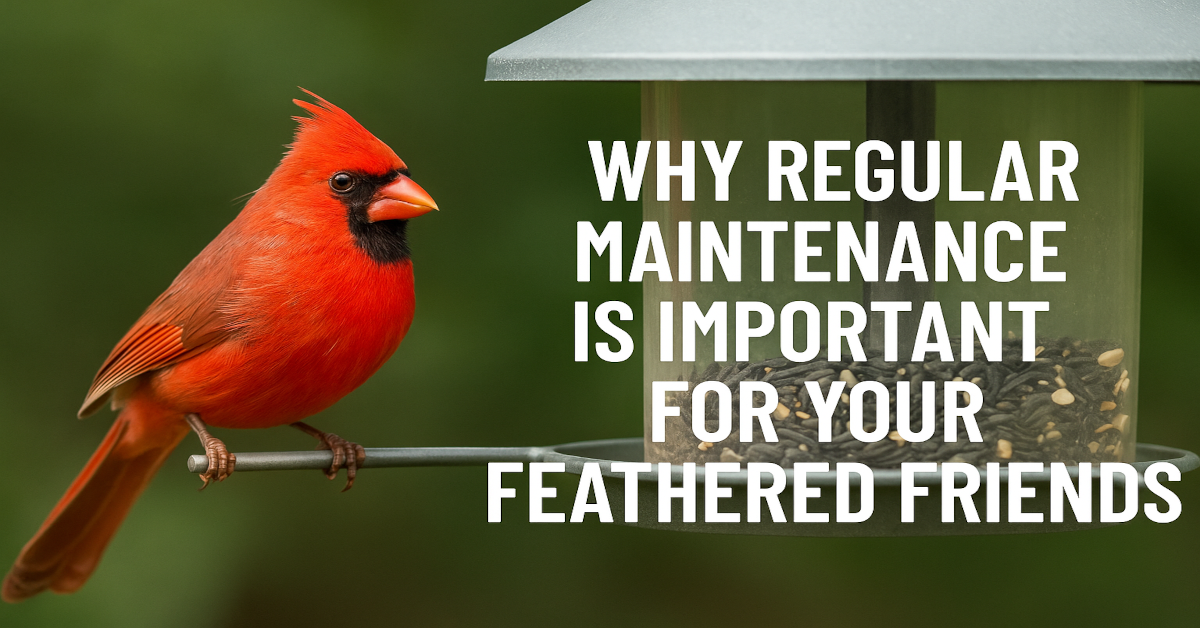
Bird watching can be a wonderful pastime, bringing joy to many as you observe birds fluttering about in your yard. However, as a bird feeder owner, it’s essential to recognise that a neglected feeder can significantly jeopardise the well-being of these beautiful creatures. Failing to clean your bird feeder regularly can lead to bacteria proliferation, mould growth, and disease transmission among birds visiting your backyard. Regular bird feeder cleaning is an important aspect of preserving their health.
While your feeder might present an appealing food source for birds, a lack of maintenance turns it into a breeding ground for harmful pathogens. The health risks associated with unclean feeders are not just devastating to individual birds; they can also affect entire habitats. Understanding the hidden dangers of dirty bird feeders emphasises the importance of routinely checking and cleaning them.
Cleaning and Maintenance: Essential Elements of Bird Feeding
Effective bird feeder cleaning is an important part of ensuring the birds that visit your yard have a safe space to eat. Regular maintenance enhances the overall bird feeding experience, making it enjoyable for you and beneficial for the birds. This article will emphasise the reasons cleaning your feeder is essential and provide practical tips you can implement to keep your feeder in top condition.
Routine cleaning not only prevents the buildup of harmful bacteria and parasites but also encourages a healthy and vibrant bird population. In this section, we’ll tackle key cleaning techniques, the frequency of maintenance, and important factors to consider based on the type of bird feeder you own. By prioritising cleanliness, you’ll be providing a safer feeding environment for beautiful bird species.
The Risks of Negligence: Reasons for Regular Bird Feeder Cleaning
The importance of cleanliness cannot be understated when it comes to maintaining bird feeders. Neglecting such maintenance practices can lead to numerous health risks for birds. For instance, dirty feeders are common places for the spread of diseases such as Avian Influenza, Salmonella, and Coccidiosis. If these diseases take hold, the consequences can be dire for both individual birds and their populations as a whole. By understanding these risks, you can be motivated to develop a regular cleaning routine.
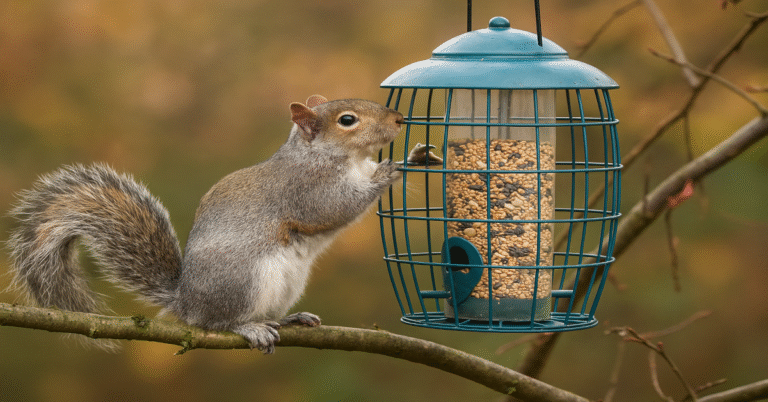
In addition to diseases, dirty bird feeders can attract unwanted pests such as rodents and insects, further complicating the health landscape of your bird feeding station. Recognising these factors emphasises the significance of your responsibility as a feeder owner. Now is the perfect time to set reminders for regular cleaning practices to protect the birds that bring joy to your outdoor space.
Protecting Your Feathered Friends: Health Benefits of Clean Bird Feeders
Clean bird feeders play a fundamental role in safeguarding the health of avian visitors to your backyard. Contaminated feeders can introduce severe health risks, including:
- Avian Influenza: A contagious virus affecting various bird species, leading to serious health complications.
- Salmonella: Commonly found in unclean feeders, this bacterium can cause gastrointestinal distress in birds.
- Coccidiosis: A parasitic disease threatening bird populations, especially in overcrowded feeding conditions.
By keeping your feeder clean, you minimise exposure to these potential health threats, ensuring a healthy and thriving ecosystem. Bird feeder cleaning contributes to the overall conservation of local bird populations, allowing diverse species to flourish and enhancing the enjoyment of bird watching in your backyard.
Effective Bird Feeder Cleaning Practices
To keep your bird feeder in excellent condition, understanding effective cleaning practices is essential. Start by disassembling the feeder and removing all remnants of old seeds, which are breeding grounds for bacteria. This initial step sets the foundation for a thorough cleaning process, ensuring every nook and cranny is addressed.
Next, choosing the right cleaning agents is important. Opt for natural solutions like vinegar or baking soda to disinfect the components; these are safe for birds and the environment. After cleaning, take the time to dry each part fully. Moisture can foster mould growth, defeating the purpose of cleaning in the first place. By adhering to these practices, you can ensure your bird feeder remains an inviting and safe haven for birds.
Avoiding Common Mistakes in Bird Feeder Maintenance
Even devoted bird lovers can occasionally overlook key maintenance aspects of bird feeders. One common error is infrequent cleaning. Establish a routine based on seasonal changes and the feeder’s usage level. Typically, feeders should be cleaned every two weeks, but this may vary during peak bird-feeding times.
Using harmful chemicals for cleaning is another pitfall to avoid. Bleach and other harsh substances can leave residues detrimental to bird health. Lastly, astute feeder caretakers should be aware of seed types; certain seeds spoil faster than others and require more frequent replacement. Identifying these common mistakes can result in better bird feeding experiences and healthier birds in your backyard.