As winter’s grip begins to loosen, the UK’s gardens come alive with the first avian visitors of the year. Early spring marks a crucial transition period when resident birds begin their breeding activities and the first migrants make their return journey. Understanding which birds to expect during this exciting time can enhance your bird watching experience and help you prepare your garden to welcome these seasonal visitors.
Early Signs of Spring Bird Activity
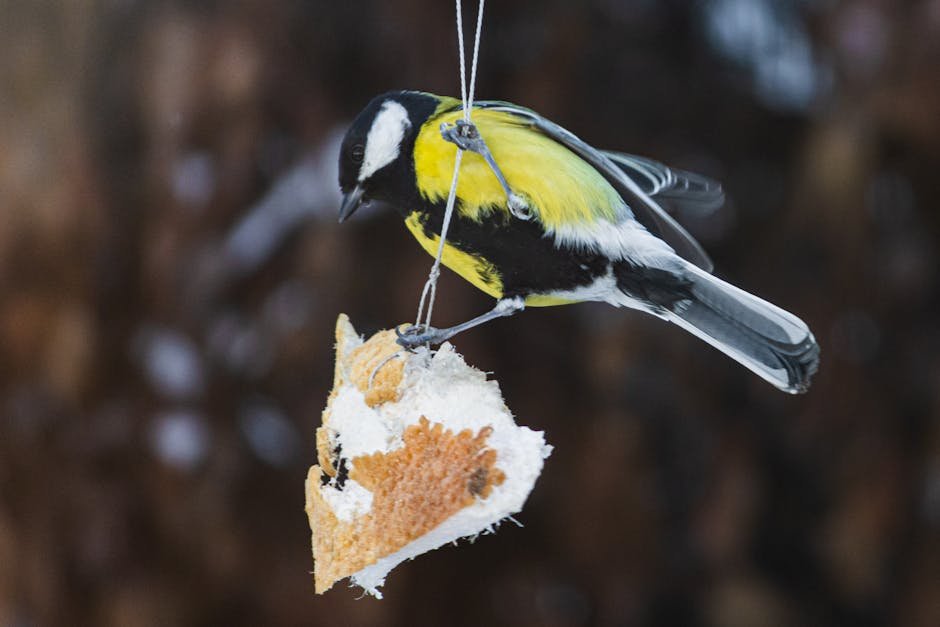
The transition from winter to spring brings notable changes in bird behavior that keen observers can spot well before the first leaves appear. As daylight hours gradually increase, resident birds become more vocal, with species like Great Tits and Song Thrushes beginning their distinctive spring songs as early as late January. This increased singing activity serves as both territorial declaration and mate attraction, marking the start of the breeding season.
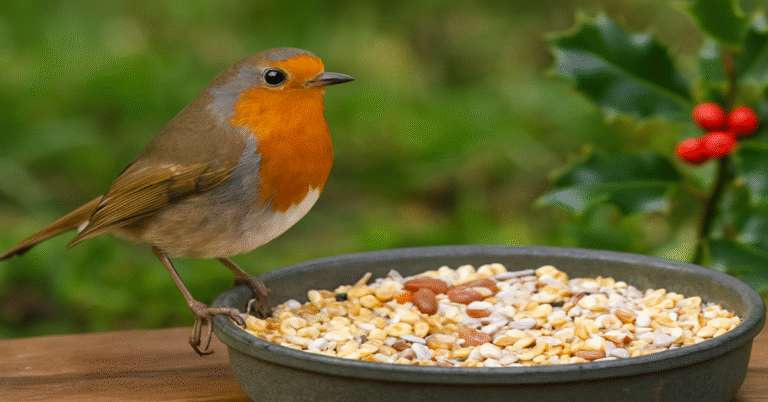
Robin activity becomes particularly noticeable during this period, with both males and females defending their territories more vigorously. These familiar garden residents can often be seen engaging in dramatic aerial disputes and singing from prominent perches at dawn and dusk. The change in behavior is accompanied by a brightening of their red breast feathers, making them even more striking against the late winter landscape.
Another key indicator is the formation of breeding pairs among resident birds. Blue Tits and Great Tits begin investigating potential nesting sites, often visiting garden nest boxes with increasing frequency. This prospecting behavior typically starts in February and intensifies through March, making it an ideal time to ensure your garden’s nest boxes are clean and properly positioned.
Resident Birds to Watch For
During early spring, several resident species become notably more active in UK gardens. Blackbirds, one of our most familiar garden birds, begin their melodious dawn chorus, with males establishing territories through song. These adaptable birds can often be seen pulling worms from lawns, particularly after rain, and become more tolerant of human presence as they focus on gathering nesting materials.
House Sparrows, despite their overall decline in recent decades, form noisy colonies in garden hedges and ivy-covered walls. Their increased activity includes dust bathing in dry soil patches and gathering in small flocks to feed on early insects and emerging plant shoots. The males’ black bibs become more pronounced as breeding season approaches, making identification easier.
Dunnocks, often overlooked due to their modest appearance, become more conspicuous in early spring. These ground-feeding birds engage in complex courtship behaviors, with males following females closely through garden undergrowth. Their sweet, warbling song becomes a regular feature of garden soundscapes from February onwards.
Long-tailed Tits, which spend winter in family groups, begin to pair off for breeding. These charming birds can be seen gathering spider webs and lichen for their intricate nest construction, making them frequent visitors to gardens with mature trees and shrubs.
First Migrant Arrivals
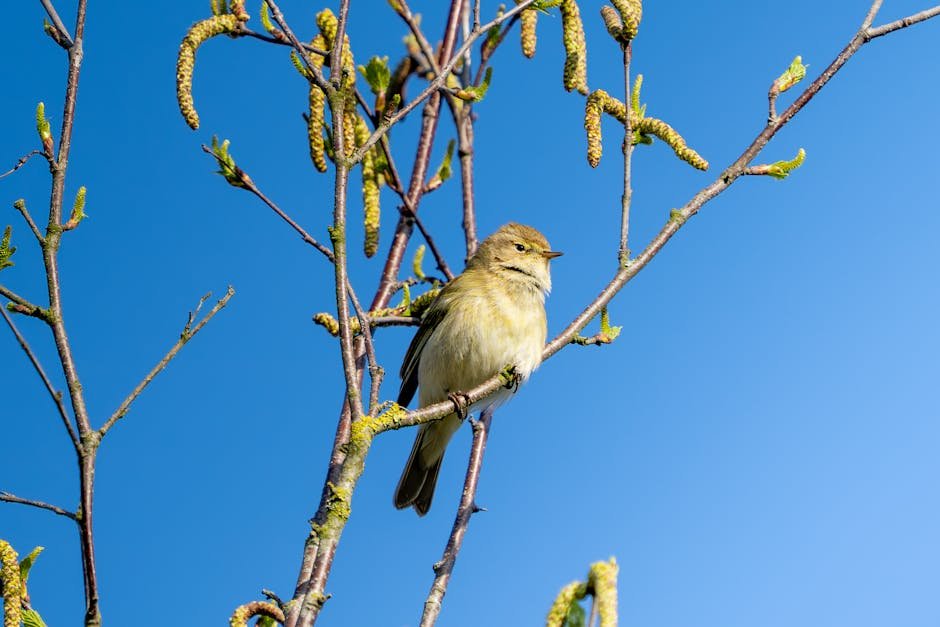
The arrival of migrant birds marks a definitive shift towards spring, with Chiffchaffs often leading the way. These small warblers can appear in gardens as early as late February in southern regions, their distinctive ‘chiff-chaff’ call becoming one of the first signs of spring migration. Initially, they concentrate their feeding activity in tree canopies, searching for early insects, but may visit garden feeders during cold spells.
Blackcaps, once purely summer visitors, now increasingly overwinter in UK gardens, but new migrants begin arriving in March. These skilled songsters, often called the ‘northern nightingale’, can be attracted to gardens offering fruit and berries, particularly if natural food sources are scarce. The males are easily identified by their distinctive black caps, while females sport rusty-brown headgear.
Sand Martins and Wheatears represent the vanguard of spring migrants, often appearing in early March. While Sand Martins prefer wetland areas, they may be spotted flying over gardens catching insects, especially near water features. Wheatears, though primarily passage migrants in most areas, might briefly visit larger gardens or those backing onto open spaces during their journey northward.
The arrival of House Martins and Swallows typically follows in late March to early April, though exact timing varies with weather conditions and location within the UK. These aerial insectivores announce their presence with distinctive flight patterns and vocalizations, marking a definitive shift in the seasonal bird calendar.
Changing Feeding Patterns
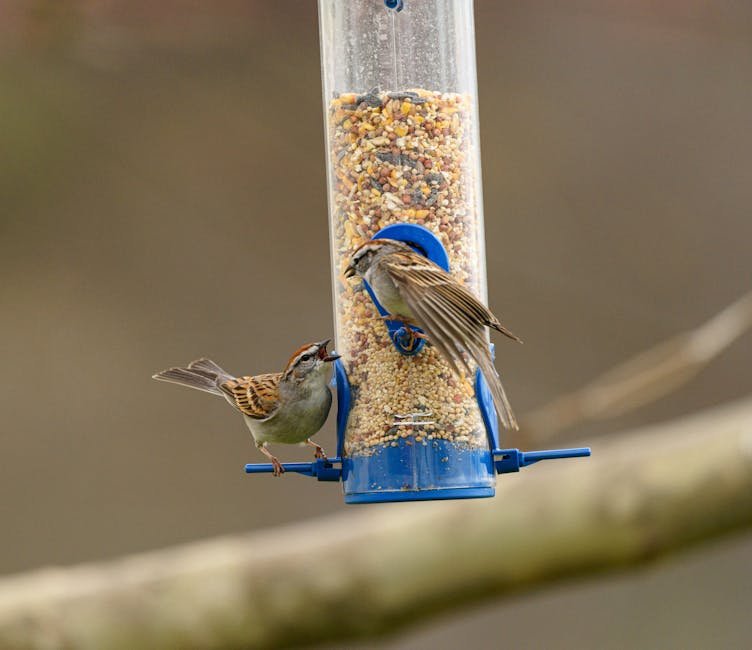
Early spring represents a crucial transition period in bird feeding behavior. As natural food sources begin to deplete after winter, yet before new growth provides abundant alternatives, garden feeders become vital resources. Birds require high-energy foods to fuel their breeding activities, making this period particularly important for supplementary feeding.
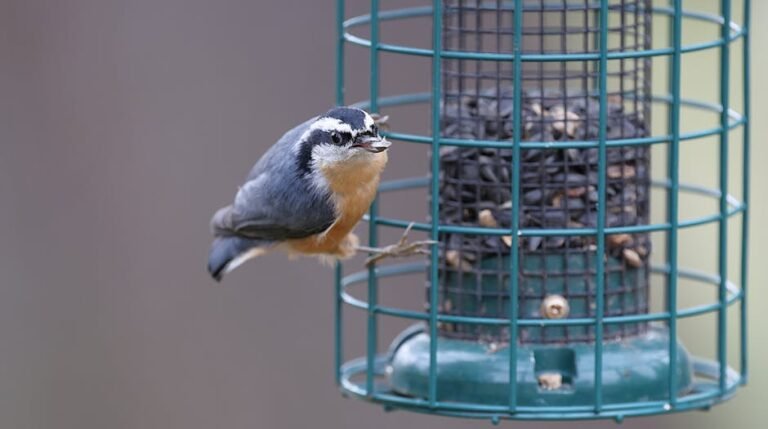
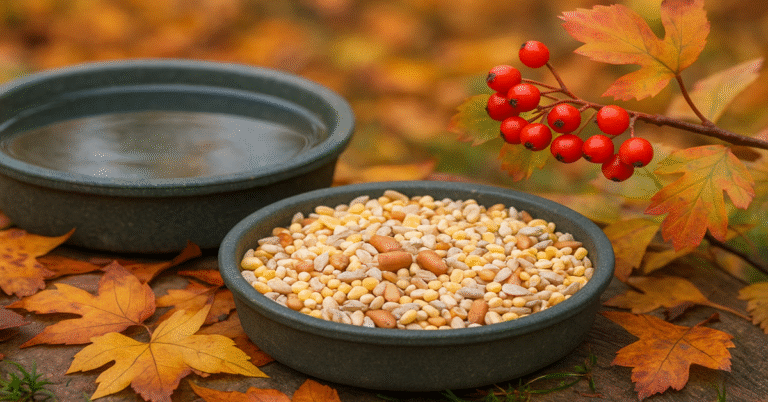
The types of food preferred by garden birds shift noticeably during this time. While fat-rich foods remain important, especially during cold snaps, there’s an increasing demand for protein-rich items to support breeding condition. High-quality seed mixes, including sunflower hearts and nyjer seeds, become particularly attractive to finches and tits preparing for the breeding season.
Ground-feeding birds like Dunnocks, Blackbirds, and Robins show increased interest in live food sources. Offering mealworms can provide crucial protein, especially valuable for parent birds preparing to feed young. This is also when many species begin actively searching for calcium sources, making crushed eggshells or specialized calcium supplements important additions to feeding stations.
Water sources become increasingly important as birds prepare for breeding. Bird baths and shallow water features see more activity, not just for drinking but for bathing to maintain feather condition. Regular cleaning and replenishment of water sources is essential during this period to support increased usage and prevent disease transmission.
Preparing Your Garden for Spring Birds
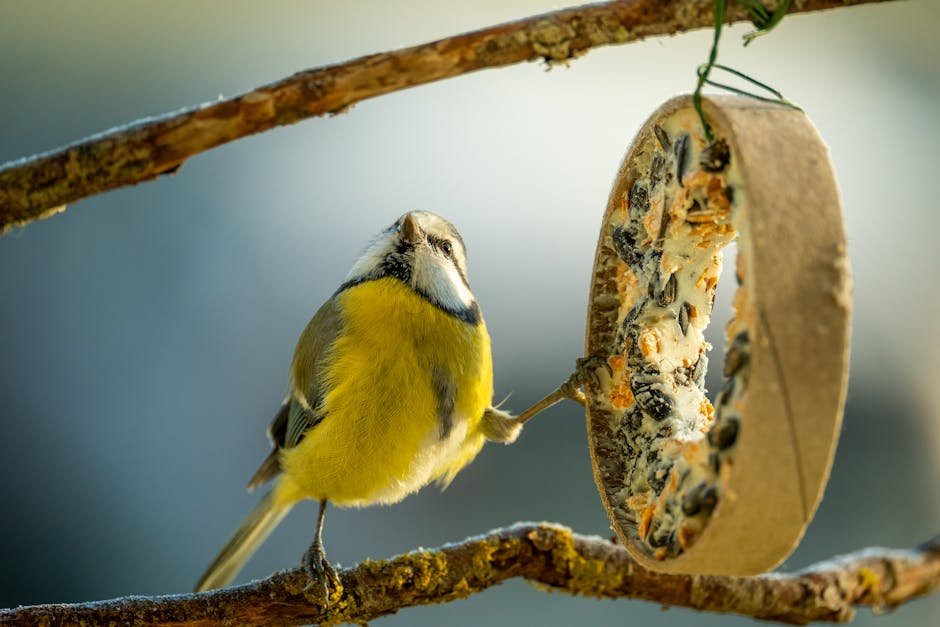
Creating an early spring bird-friendly garden requires thoughtful preparation and maintenance. The key is to provide a variety of feeding stations at different heights and locations, catering to different species’ preferences. Multiple feeding sites help reduce competition and allow more timid birds to access food safely. Ensure feeders are cleaned regularly and positioned where birds have clear sight lines to spot potential predators.
Natural food sources can be encouraged by maintaining areas of unmown grass where insects and seeds may be found. Early-flowering plants such as winter aconite, crocus, and primrose not only provide nectar for insects but subsequently attract insect-eating birds. Native shrubs and trees that produce early catkins or buds, such as hazel and willow, provide natural foraging opportunities.
Nesting opportunities should be maximized before the breeding season begins in earnest. Clean and repair existing nest boxes, ensuring they’re securely fixed and oriented away from prevailing winds and strong sunlight. Different box designs and entrance hole sizes will attract different species, so providing a variety increases the likelihood of successful occupancy. Dense shrubs, climbers, and hedges offer natural nesting sites and should be left undisturbed during the early spring period.
Creating sheltered areas becomes particularly important during the variable weather of early spring. Brush piles, log stacks, and dense evergreen shrubs provide essential refuge during cold snaps or wet weather. These features also support invertebrate populations, creating natural feeding opportunities for garden birds.
Best Times and Methods for Observation
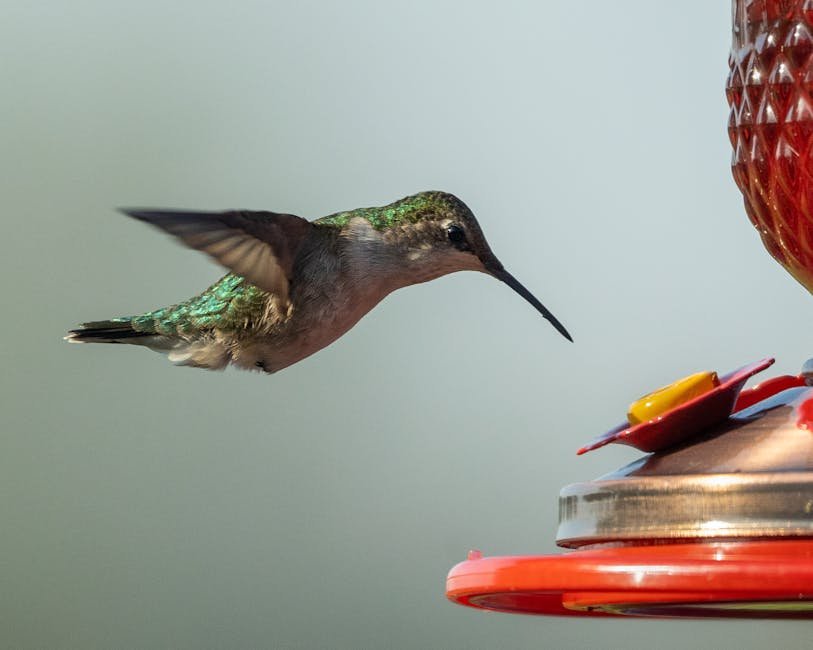
Early spring bird watching requires adapting to changing daylight patterns and bird behavior. The most productive observation times typically occur during the early morning hours, particularly just after sunrise when birds are most active feeding and establishing territories. A secondary peak of activity often occurs in the late afternoon, making these ideal times for garden bird watching sessions.
Weather conditions significantly influence bird activity and visibility. Calm, clear mornings following cold nights often yield the best observation opportunities as birds actively feed to replenish energy reserves. Overcast conditions can extend active periods throughout the day, while strong winds typically reduce visible activity. Light drizzle can actually increase feeding activity, particularly among ground-feeding species searching for earthworms.
Developing a systematic approach to observation enhances the experience and improves species identification success. Start by scanning the garden systematically from ground level to tree tops, paying particular attention to movement and distinctive behaviors. Listen for calls and songs, as many species are more easily detected by sound before they’re seen. Keep detailed notes of first sightings and behavioral changes to build a valuable record of spring progression in your garden.
Using a camera with a bird feeder can significantly enhance observation opportunities, particularly for more elusive species or those visiting at unusual times. Position the camera to capture both feeding stations and natural foraging areas, ensuring it’s weatherproof and properly secured. Regular review of footage can reveal patterns in visiting times and behaviors that might otherwise go unnoticed.
Managing Early Spring Challenges

Early spring presents unique challenges for both birds and observers. Unpredictable weather patterns can significantly impact bird behavior and survival, with late cold snaps particularly challenging for early migrants and breeding residents. Maintaining consistent feeding during these periods becomes crucial, as natural food sources may be temporarily inaccessible due to frost or snow. Providing high-energy foods and ensuring water sources remain unfrozen can make a significant difference to bird survival.
Competition for resources intensifies during early spring as birds establish territories and prepare for breeding. This can lead to aggressive interactions at feeding stations, particularly among resident species. Managing this competition requires providing multiple feeding stations spread across the garden, including some in more sheltered or secluded locations for less dominant species. Different types of feeders and food can help reduce direct competition and ensure all species can access appropriate nutrition.
Disease prevention becomes particularly important as bird activity increases around feeding stations. Regular cleaning of feeders and bird baths helps prevent the spread of diseases like trichomonosis, which can affect finch species particularly severely. Rotating feeding locations and avoiding overcrowding by providing adequate spacing between feeders can also help maintain garden bird health during this crucial period.
Predator management requires careful consideration during early spring. Domestic cats become more active as weather improves, while natural predators like Sparrowhawks focus on feeding stations where prey congregates. Strategic positioning of feeders away from ambush points and providing adequate cover nearby can help birds feed more safely. Consider using protective guards or cages around feeding stations where appropriate.
Frequently Asked Questions
When do the first migrant birds return to UK gardens in spring?
The first migrants typically begin returning in late February to early March, with Chiffchaffs often among the earliest arrivals. Sand Martins and Wheatears follow in early March, while House Martins and Swallows usually appear from late March to early April.
What should I feed birds in early spring?
Offer a mix of high-energy foods including quality seed mixes, sunflower hearts, and fat-based products. Protein-rich foods like mealworms become increasingly important as breeding season approaches. Also provide fresh water and calcium supplements such as crushed eggshells.
How can I prepare my garden for spring birds?
Clean and maintain feeding stations, provide multiple food sources at different heights, ensure clean water is available, and offer various nesting opportunities through boxes and natural cover. Leave some areas of the garden unmown to encourage insects, and include early-flowering plants to support the food chain.
What are the first signs of spring bird activity?
Increased bird song, particularly from resident species like Great Tits and Robins, is often the first sign. You’ll also notice more territorial behavior, nest box investigation, and pair formation among resident birds, typically starting in late January to February.
Early spring represents a crucial transition period for garden birds, marking the start of breeding activity for residents and the return of migrants. By understanding which species to expect and how to support them, you can create an environment that not only attracts a diverse range of birds but also helps ensure their survival through this challenging season. Regular observation and appropriate garden management will reward you with fascinating insights into bird behavior and the changing seasons.