
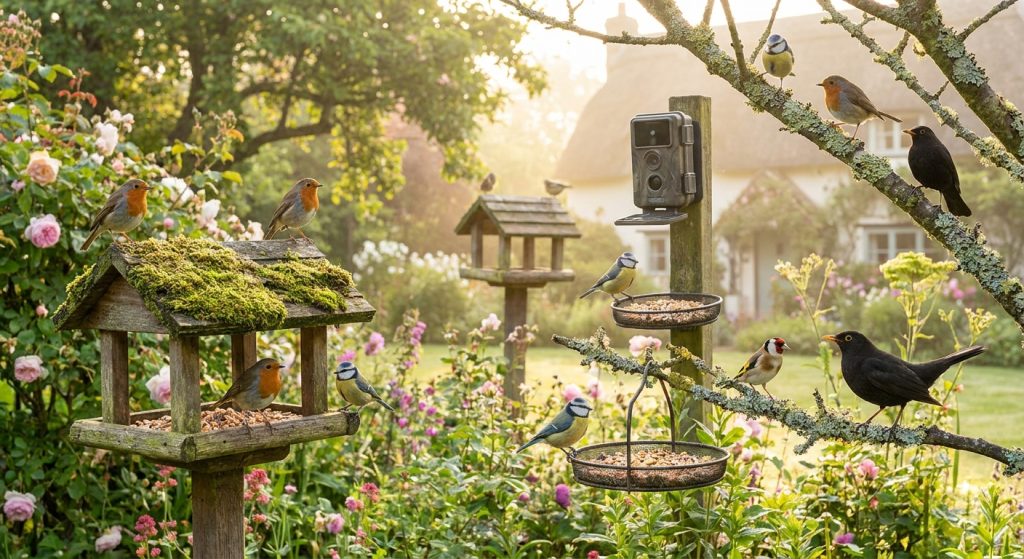
Garden birdwatching is one of the most rewarding ways to connect with nature right from your own home. Whether you’re a beginner or looking to sharpen your identification skills, learning how to spot and recognise common UK garden birds can transform your outdoor experience. This guide provides a step-by-step approach to identifying garden birds, with practical tips, troubleshooting advice, and expert insights tailored for British gardens.
What You Need Before You Start
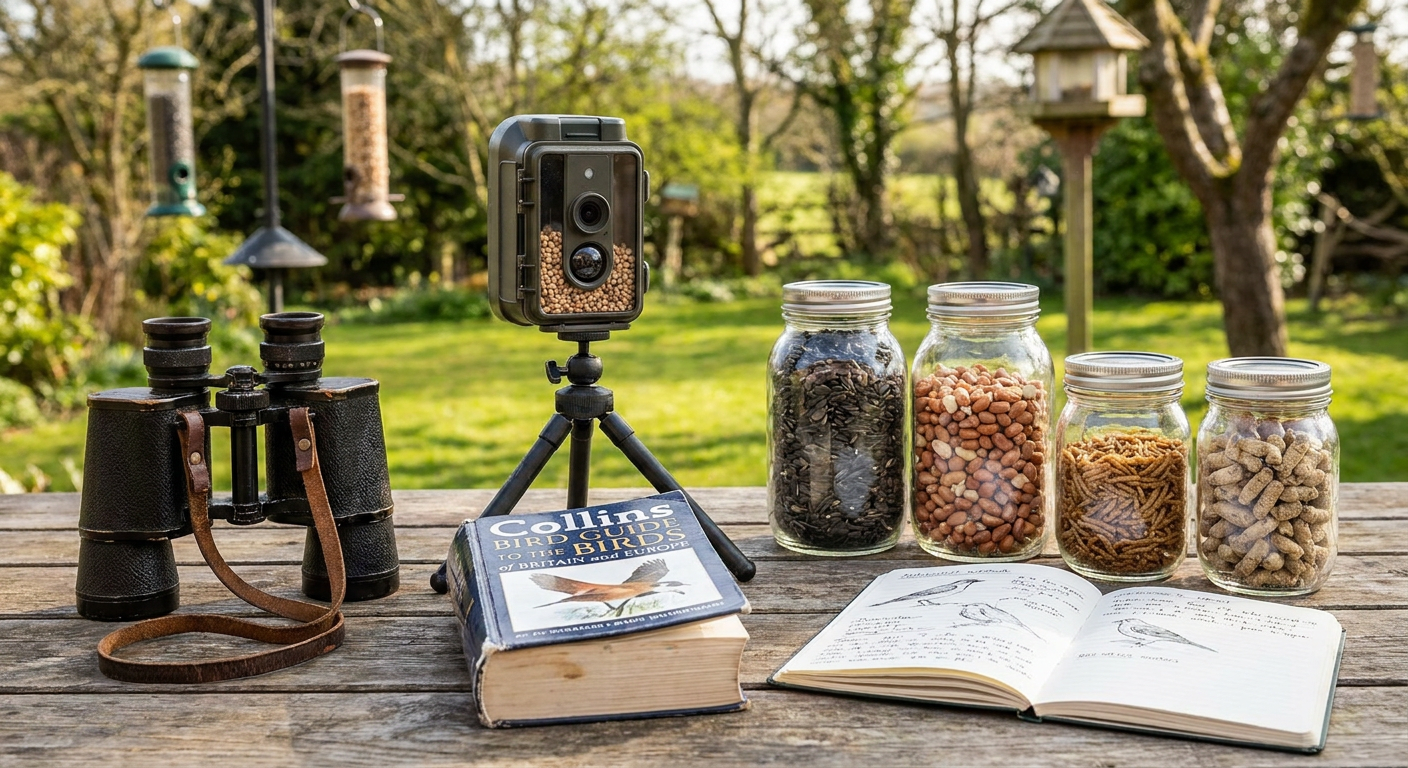
Before you begin identifying garden bird feeder camera setup guides in the UK, it’s essential to gather a few key tools and resources. A good pair of binoculars is invaluable for observing birds at a distance without disturbing them. For those interested in capturing detailed images or videos, a bird feeder with an integrated camera can provide close-up views and help with later identification. Notebooks or birdwatching apps are also useful for recording your sightings and comparing notes over time.
In addition to equipment, having a reliable field guide or access to a reputable online bird identifier is crucial. Guides such as the RSPB bird identifier online Handbook of British Birds or interactive tools like the British Bird Identifier can help you distinguish between similar species. Consider setting up your garden with a variety of feeders and food types—such as seeds, suet, and mealworms—to attract a broader range of species, including robins, blue tits, and goldfinches. These preparations ensure you’re ready to observe, record, and enjoy the diversity of garden birds throughout the year.
Step 1 – Observe Behaviour and Location
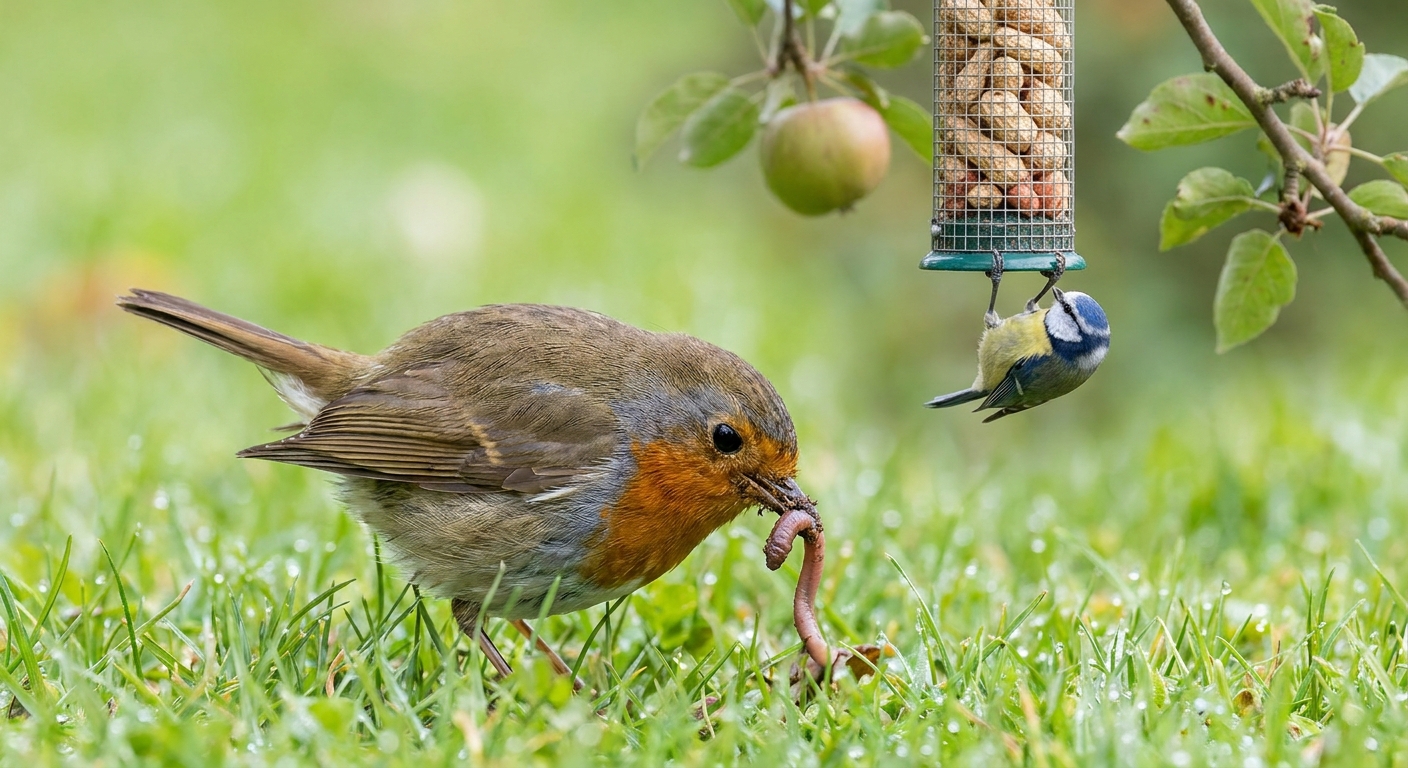
The first actionable step in identifying garden birds is to observe their behaviour and where they are found in your garden. Take note of whether the bird is feeding on the ground, perching in shrubs, or visiting feeders. For example, blackbirds are often seen foraging on lawns, while blue tits prefer hanging feeders. The time of day and season can also influence which species are present, as some birds are more active in the early morning or during certain months.
Pay close attention to how the bird moves and interacts with its surroundings. Robins, for instance, are known for their boldness and will often come close to people, while house sparrows tend to flock together and chatter noisily. By focusing on these behavioural clues, you can quickly narrow down the possibilities before moving on to more detailed identification features. Always approach quietly and avoid sudden movements to prevent scaring the birds away.
Step 2 – Note Physical Characteristics
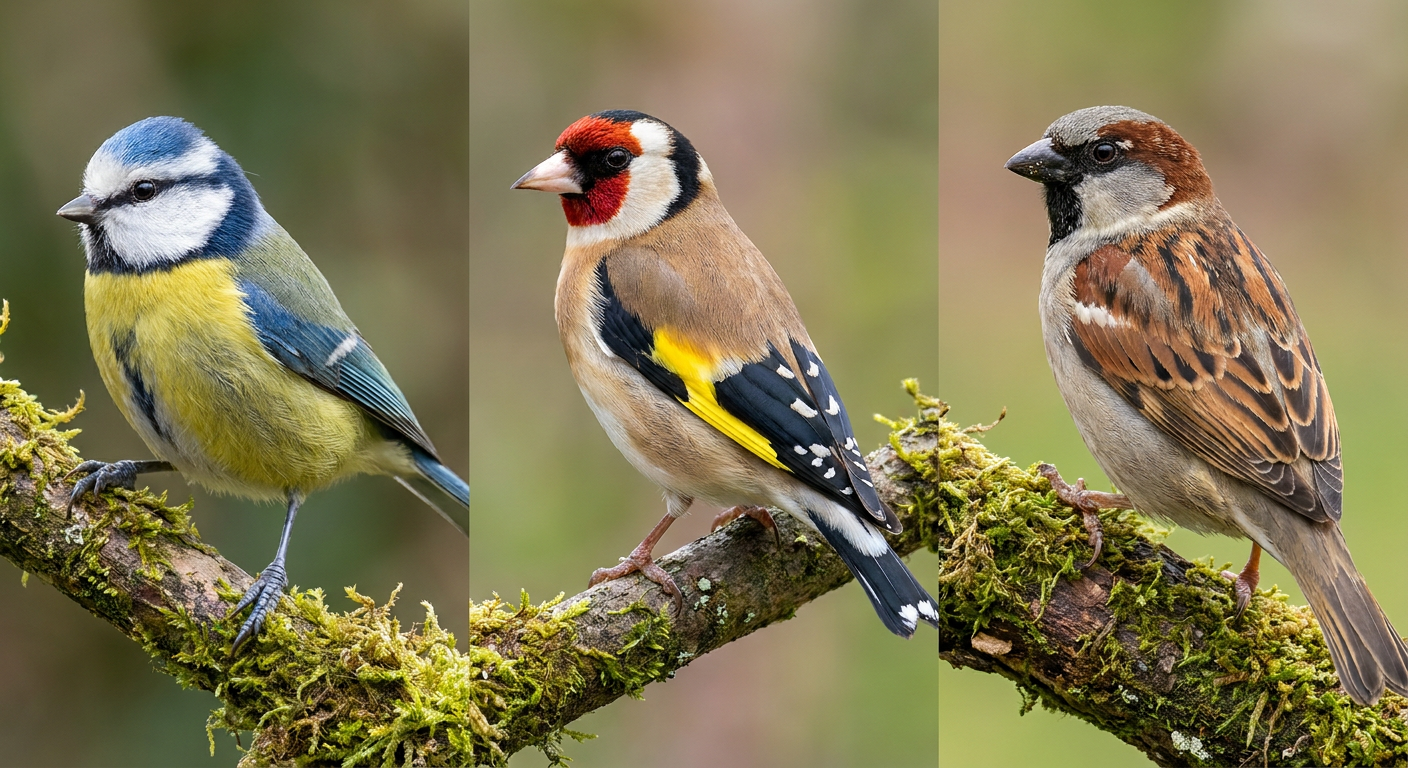
Once you’ve observed the bird’s behaviour, the next step is to examine its physical features. Start by noting the bird’s size—compare it to familiar species like a robin or a blackbird. Look for distinctive markings such as coloured patches, stripes, or spots. For example, the blue tit is easily recognised by its blue cap and yellow chest, while the goldfinch stands out with its bright red face and yellow wing flashes.
Pay attention to the shape and colour of the beak, as this can offer clues about the bird’s diet and species. Starlings have long, slender beaks suited for probing, whereas finches have short, stout beaks for cracking seeds. Wing and tail patterns are also helpful; house sparrows have brown, streaked backs, while great tits display a bold black stripe down their chest. If possible, take a photo or make a quick sketch to help with later comparison using a field guide or online identifier.
UK garden bird identification chartBritish Bird Identifier
Step 3 – Listen for Songs and Calls
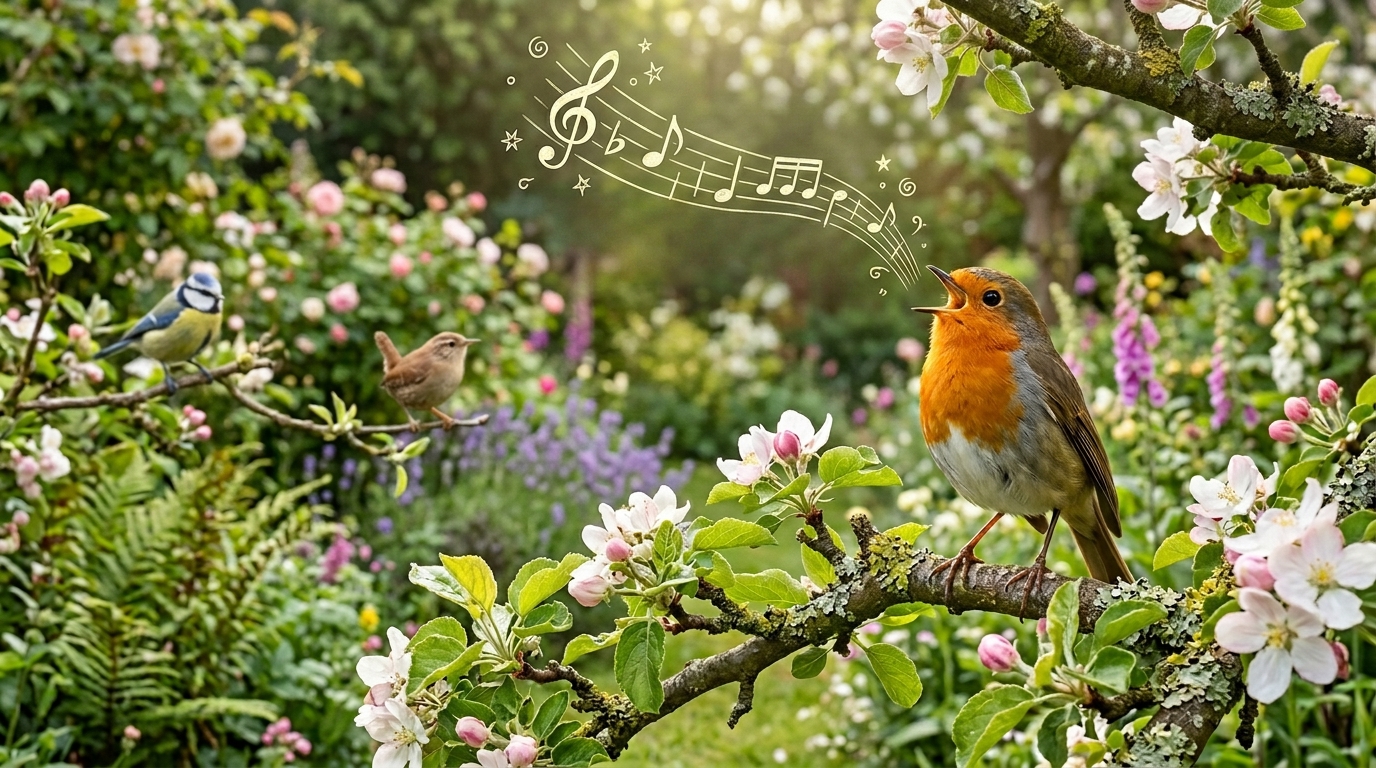
Sound is a powerful tool in bird identification, especially when visual cues are limited by foliage or poor lighting. Many UK garden birds have distinctive songs and calls that can be recognised with a bit of practice. For instance, the robin’s melodic, wistful song is a familiar sound in British gardens, while the repetitive ‘teacher-teacher’ call of the great tit is unmistakable once learned.
Take time to listen carefully and try to match the sounds you hear with recordings from trusted sources or birdwatching apps. Noting the rhythm, pitch, and repetition can help distinguish between similar species. For example, starlings are known for their varied, chattering calls and mimicry, while blackbirds produce rich, flute-like melodies. By combining auditory clues with your visual observations, you’ll build a more complete picture and increase your confidence in identifying garden birds.
Common Problems and Fixes
Even experienced birdwatchers encounter challenges when identifying garden birds, especially with species that look alike or change appearance throughout the year. One common issue is confusing similar brown birds, such as dunnocks, house sparrows, and female blackbirds. To resolve this, focus on subtle differences in behaviour and markings—dunnocks often skulk low in shrubs, while house sparrows are more social and vocal.
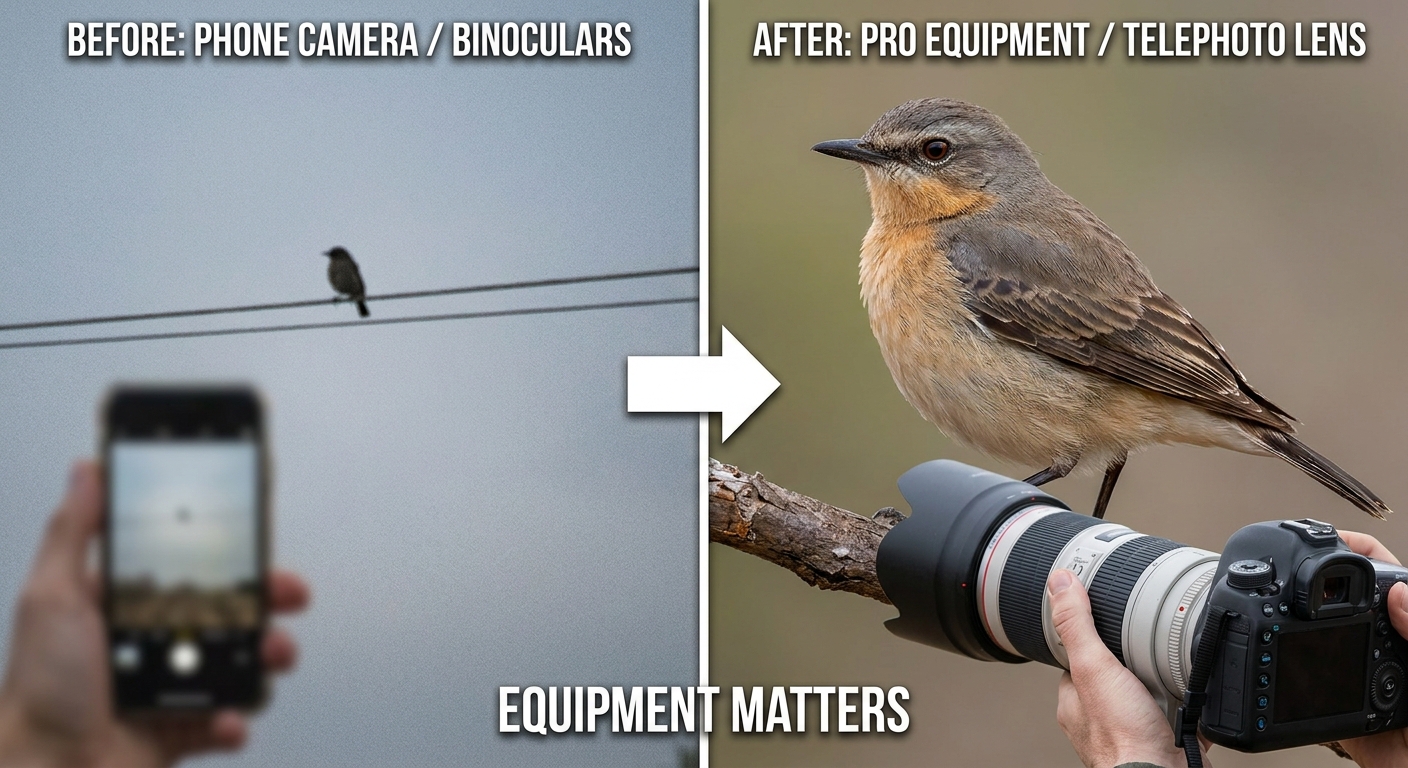
Another frequent problem is poor visibility due to weather or distance. Investing in a quality bird feeder camera or binoculars can help you capture clearer images for later review. If you’re struggling to match a bird’s song, use a bird identification app that allows you to record and compare calls. Remember, lighting conditions can alter the perceived colour of feathers, so try to observe birds from different angles and at various times of day.
Finally, seasonal changes such as moulting can make identification tricky, as birds may lose their most recognisable features. In these cases, rely more on behaviour, size, and habitat than on plumage alone. Don’t hesitate to consult online communities or local birdwatching groups for a second opinion—sharing photos or descriptions can often lead to a quick and accurate identification.
troubleshooting bird feeder cameras
Tips for Better Results
To improve your success in identifying garden birdwatching tips birds, create a welcoming environment by offering a variety of food and water sources. Different species are attracted to different feeders and foods, so mixing seed types, suet, and mealworms can increase the diversity of your garden visitors. Position feeders near shrubs or trees to provide shelter and encourage shy species like coal tits or goldfinches to visit more frequently.
Keep a regular log of your sightings, noting the date, time, weather, and any notable behaviours. Over time, patterns will emerge, helping you anticipate which birds are likely to appear and when. For those using bird feeder cameras, review footage regularly and compare with trusted identification guides. Don’t be discouraged by initial mistakes—bird identification is a skill that improves with practice and patience. Engaging with local birdwatching groups or online forums can also provide valuable support and expert advice.
Frequently Asked Questions
What are the most common garden birds in the UK?
Some of the most common garden birds in the UK include robins, blue tits, great tits, goldfinches, house sparrows, starlings, blackbirds, and coal tits. These species are frequently seen at feeders and in gardens throughout the year.
How can I identify a bird I’ve never seen before?
Start by observing its size, colour, markings, and behaviour. Use a field guide or an online bird identifier tool to compare your notes. Taking a photograph or making a sketch can also help with later identification.
Can I use a camera to help identify birds?
Yes, a bird feeder camera or a good-quality digital camera can capture close-up images and videos, making it easier to study details and confirm identifications. Reviewing footage can also help you spot features you might have missed in real time.
What should I do if I can’t identify a bird?
If you’re unsure, consult online birdwatching communities, local experts, or use interactive identification guides. Sharing photos or descriptions often leads to quick and accurate answers from experienced birders.
Why do some birds look different at certain times of year?
Many birds undergo moulting or seasonal plumage changes, which can alter their appearance. Juvenile birds may also look different from adults. In these cases, focus on behaviour, size, and habitat for identification.
Identifying garden birds in the UK is a deeply rewarding hobby that brings you closer to the wildlife around you. With the right tools, a keen eye, and a bit of patience, you’ll soon be able to recognise a wide range of species and enjoy the unique character each brings to your garden. Remember, every sighting is an opportunity to learn and connect with nature.