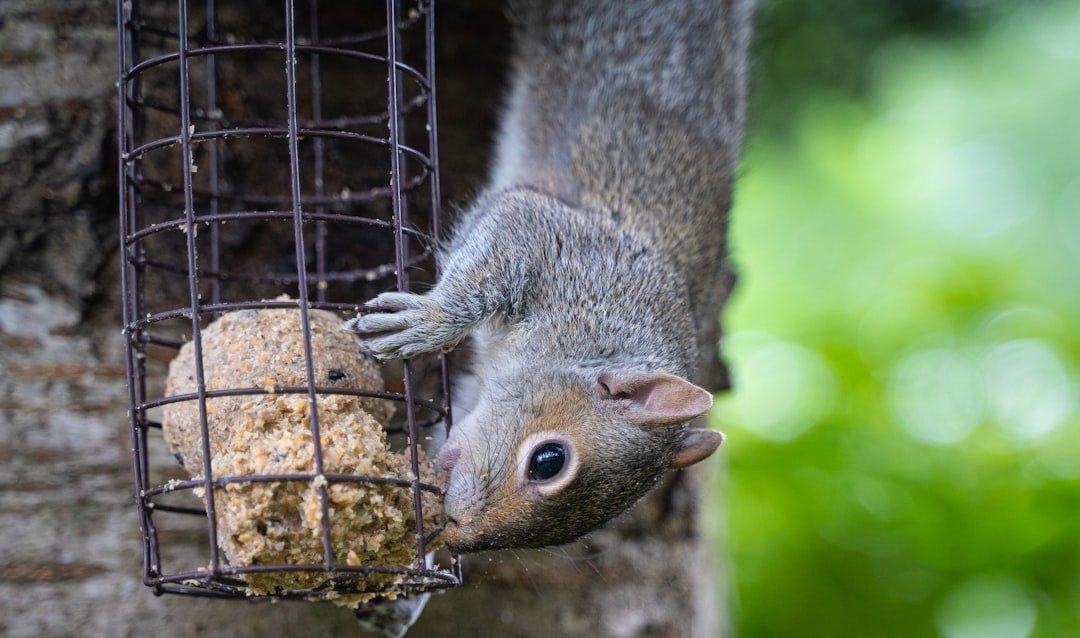
Creating a welcoming environment for garden birds can inadvertently attract unwanted visitors like squirrels, rats, and magpies. These opportunistic creatures can quickly empty feeders, intimidate smaller birds, and create hygiene concerns in your garden. This comprehensive guide will help you implement effective strategies to protect your bird feeding station while ensuring your favourite garden birds continue to thrive.
Setting Goals for Bird Feeder Protection
Successful bird feeder protection requires clear objectives and measurable outcomes. The primary goal is to maintain a feeding station that attracts desired garden birds while minimizing access for unwanted visitors. This involves monitoring several key indicators to ensure your deterrent strategies are working effectively. Regular observation of feeding patterns, food consumption rates, and visitor behaviour will help gauge the success of your protection measures.
Key performance indicators should include the frequency of unwanted visitor appearances, the amount of bird food consumed daily, and the diversity of garden birds visiting your feeders. A well-protected feeding station typically shows a significant reduction in pest visits within the first week of implementing deterrent measures, while maintaining or increasing the variety of garden birds. Track these metrics by maintaining a simple log of daily observations, noting both the types of birds present and any unwanted visitor activity.
Success also means maintaining proper hygiene standards around your feeding station. Monitor the ground beneath feeders for scattered food, which can attract rats and other pests. A successful protection strategy should result in minimal food waste and cleaner feeding areas, creating a healthier environment for your garden birds.
Essential Preparation and Research
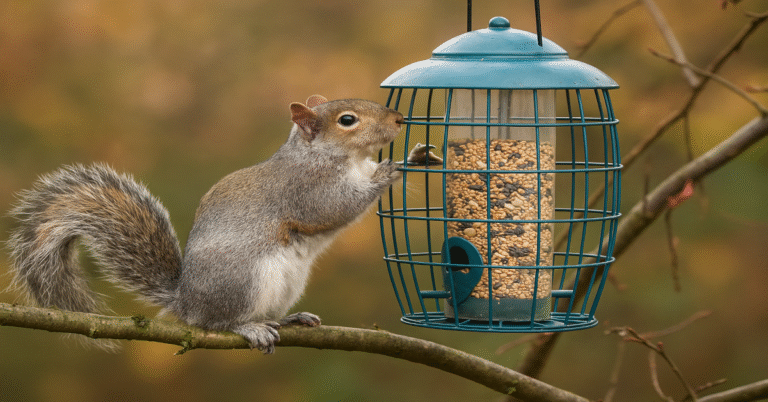
Before implementing any deterrent measures, it’s crucial to understand the specific challenges in your garden. Begin by identifying which unwanted visitors are causing problems and observing their patterns of behaviour. Different pests require different approaches – squirrels are excellent climbers and jumpers, rats are primarily nocturnal, and magpies are intelligent birds that can learn to overcome simple barriers. Document when these visitors appear and how they access your feeders to develop targeted solutions.
Gather the necessary tools and materials for your protection strategy. Essential items include squirrel-proof feeders with weight-activated mechanisms, metal poles and baffles, cleaning supplies for regular maintenance, and appropriate food types that are less attractive to pests. Consider investing in a motion-activated camera to monitor feeding activity when you’re not watching, helping you understand the effectiveness of your measures and identify any new challenges that arise.
Research local wildlife regulations and best practices for humane deterrent methods. Some traditional pest control methods may be illegal or harmful to other wildlife. Connect with local bird watching groups or wildlife organizations for region-specific advice and proven solutions that work in your area. Understanding the seasonal patterns of pest activity will also help you adjust your strategy throughout the year.
Step-by-Step Implementation Guide
Start by positioning your feeding station strategically. Place feeders at least 5 meters away from structures that squirrels could use as launching points, following the 5-7-9 rule: 5 meters from jumping points, 7 feet high, and 9 feet of clear space around the pole. Install a sturdy metal pole system with proper baffles both below and above the feeders to prevent climbing. Ensure the pole is deeply anchored and completely vertical to maximize baffle effectiveness.
Select and install appropriate feeder types based on your target birds and pest challenges. Use weight-activated feeders that close when heavier creatures attempt to feed, mesh feeders with openings sized for small birds, and specially designed magpie-proof feeders for suet and larger seeds. Position multiple feeding stations to reduce competition and prevent dominant species from monopolizing the food source.
Implement a strict cleaning and maintenance schedule to minimize pest attraction. Clean feeders thoroughly every two weeks, more frequently in wet weather. Remove fallen seed debris daily, and consider using seed catchers beneath feeders to prevent ground accumulation. Apply natural deterrents like sprinkling coffee grounds or chili powder around feeding areas to discourage ground-feeding pests.
Monitor and adjust feeder positions and protection measures based on observed behaviour. If unwanted visitors persist, try rotating different deterrent methods every few weeks to prevent them from adapting to any single approach. Keep detailed records of which combinations of methods prove most effective in your specific situation.
Establish a consistent feeding schedule that aligns with natural bird feeding patterns while minimizing opportunities for pests. Consider removing feeders at night when rats are most active, and ensure food quantities match daily bird consumption to prevent overflow that attracts unwanted visitors.
Optimizing Your Protection Strategy
Regular assessment and refinement of your protection measures is essential for long-term success. Create a monitoring system that tracks daily visitor patterns, including both desired birds and unwanted guests. Use this data to identify trends and adjust your strategy accordingly. Pay special attention to changes in pest behaviour as they attempt to overcome your deterrents, and be prepared to modify your approach as needed.
Experiment with different food types and feeding methods to find the optimal balance between attracting desired birds and deterring pests. Consider offering specialized foods that are less appealing to squirrels and magpies but attractive to smaller garden birds. Test various feeder modifications and protective additions, documenting the effectiveness of each change to build a comprehensive understanding of what works best in your garden.
Develop a seasonal strategy that accounts for changes in both bird and pest behaviour throughout the year. Adjust food types, quantities, and protection measures based on seasonal patterns. During peak breeding seasons, when both desired birds and pests are most active, implement additional protective measures and increase monitoring frequency.
Success Story: A Garden Transformed
A recent case study from a suburban garden in Surrey demonstrates the effectiveness of a well-planned protection strategy. The garden owner initially struggled with persistent squirrel and magpie problems, losing up to 70% of bird food to unwanted visitors. After implementing a comprehensive protection system including strategic feeder placement, specialized feeders, and regular maintenance, unwanted visitor activity decreased by 85% within three weeks.
The transformation included installing a dedicated feeding station with proper baffles and weight-activated feeders, resulting in a significant increase in small bird activity. The variety of garden birds visiting the feeders increased from 6 regular species to 15, including previously unseen finches and tits. The garden owner reported that monthly bird food costs decreased by 40% due to reduced waste and pest consumption.
Most importantly, the success was maintained long-term through consistent monitoring and adjustment of protection measures. The garden now serves as a model for effective pest control while maintaining a thriving bird feeding station, proving that with the right approach, it’s possible to create a balanced feeding environment that primarily benefits desired garden birds.
Frequently Asked Questions
What is the 5-7-9 rule for protecting bird feeders?
The 5-7-9 rule states that feeders should be placed 5 meters away from squirrel jumping points, mounted 7 feet high, and have 9 feet of clear space around the pole to prevent access by climbing pests.
Why do coffee grounds help deter unwanted feeder visitors?
Coffee grounds contain compounds that many pests find unpleasant. When scattered around feeding areas, they create a natural barrier that helps deter rats and squirrels while being harmless to birds.
How often should I clean my bird feeders to prevent pest problems?
Bird feeders should be thoroughly cleaned every two weeks at minimum, and more frequently during wet weather. Daily removal of fallen seed debris is also essential to prevent attracting ground-feeding pests.
Creating a pest-resistant bird feeding station requires careful planning, consistent maintenance, and ongoing monitoring. By implementing these proven strategies and remaining vigilant in their application, you can significantly reduce unwanted visitor problems while creating a thriving haven for garden birds.