As winter fades and the first signs of spring emerge, creating an inviting garden sanctuary for birds becomes increasingly important. Birds play a crucial role in maintaining garden ecosystems, from natural pest control to pollination, while bringing vibrant life and song to our outdoor spaces. This comprehensive guide will show you how to transform your garden into a thriving haven that attracts and supports diverse bird species throughout the spring season.
Why Creating a Bird-Friendly Spring Garden Matters
Recent studies by the Royal Society for the Protection of Birds (RSPB) indicate that gardens now provide essential habitat for over 27 different bird species in the UK, with spring being a particularly crucial season for bird survival and breeding success. Urban development continues to reduce natural habitats, making our gardens increasingly vital sanctuaries for local and migratory birds. Research shows that gardens with bird-friendly features can support up to 8 times more bird activity than those without.
The economic impact of bird-friendly gardening is significant, with the wild bird care market experiencing substantial growth. Garden centers report that bird-related products now account for approximately 15% of their spring sales, reflecting growing public interest in supporting garden wildlife. Moreover, properties with well-maintained bird-friendly gardens often see increased property values, with estate agents noting that wildlife-friendly features are increasingly sought after by potential buyers.
Beyond the numbers, creating a bird-friendly garden contributes to broader conservation efforts. Birds act as natural pest controllers, potentially reducing garden maintenance costs while supporting local biodiversity. They also serve as important indicators of environmental health, making your garden part of a larger ecological monitoring network.
Essential Elements of a Bird-Friendly Spring Garden
Creating an effective bird sanctuary requires understanding and implementing four fundamental elements: food sources, water features, shelter, and nesting sites. Native plants form the backbone of any bird-friendly garden, providing natural food sources through seeds, berries, and the insects they attract. The most successful gardens incorporate a mix of deciduous and evergreen plants at varying heights, creating a layered habitat that appeals to different bird species.
Water features play a crucial role in attracting birds, with moving water being particularly effective. A simple solar-powered fountain or dripper can transform a basic bird bath into a magnetic attraction for local birds. The sound of moving water not only attracts more birds but also helps them locate the water source from a distance. Position water features near protective cover but away from areas where cats might hide.
Shelter requirements vary among bird species, but generally, dense shrubs, mature trees, and purpose-built structures provide essential protection from predators and weather extremes. Consider creating brush piles from fallen branches and leaves in quiet corners of your garden – these natural shelters attract insects and provide safe havens for ground-feeding birds.
Nesting sites become particularly important as spring progresses. Different species have varying preferences: some prefer nest boxes, others favor dense vegetation, while some require specific heights or locations. Installing a variety of nest box styles at different heights and orientations maximizes your garden’s appeal to various species.
Advanced Strategies for Spring Bird Attraction
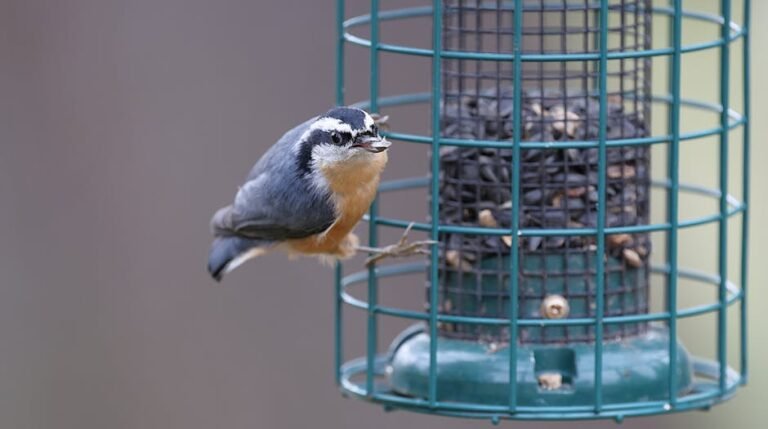
Implementing sophisticated feeding strategies can significantly increase bird activity in your garden. The ‘5-7-9 rule’ for feeder placement suggests positioning feeders 5 feet from protective cover, 7 feet high, and 9 feet from the nearest branch or structure. This arrangement provides birds with quick access to safety while minimizing predator opportunities. Using multiple feeder types at various heights creates feeding zones that accommodate different species’ preferences.
Smart plant selection goes beyond basic native species. Creating seasonal feeding corridors ensures continuous food availability. Early-flowering plants like pussy willow and hawthorn provide essential nectar for early spring arrivals, while later-blooming species maintain food sources as the season progresses. Consider plants like teasel and evening primrose that provide both spring nectar and autumn seeds.
Advanced habitat zoning involves creating micro-environments within your garden. Establishing distinct areas for feeding, bathing, and nesting helps reduce competition and stress among different species. For example, position quiet nesting areas away from busy feeding stations, and create multiple water sources at varying heights and locations.
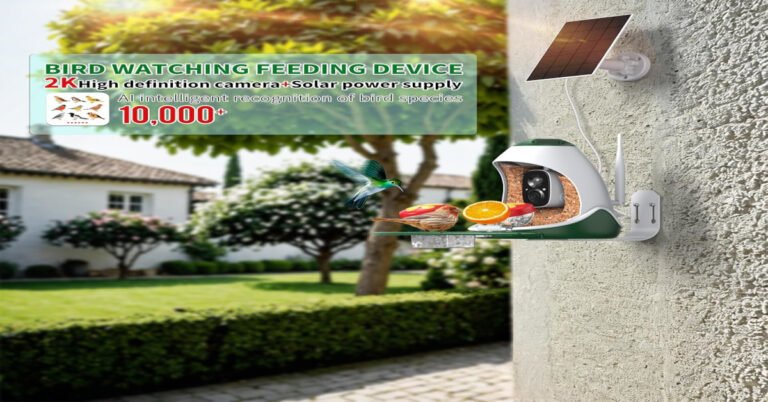
Technology can enhance your bird-friendly garden. Modern bird cameras and weather-resistant feeders with built-in weight sensors help monitor feeding patterns and identify visiting species. Some advanced systems even allow remote monitoring and automated feeding schedules, ensuring consistent food availability during critical periods.
Common Pitfalls and Risk Management
One of the most significant risks in spring bird gardening is the spread of diseases at feeding stations. Recent studies show that poorly maintained feeders can become transmission points for conditions like trichomonosis and salmonella. Implement a strict cleaning regime: feeders should be thoroughly cleaned every two weeks, more frequently during wet weather. Use appropriate disinfectants and ensure feeders are completely dry before refilling.
Predator management requires careful consideration. Domestic cats account for millions of bird deaths annually in the UK. Strategic placement of feeders and protective barriers can significantly reduce predation risks. Consider installing protective domes above feeding stations and position them away from potential predator hiding spots. Motion-activated sprinklers can serve as effective deterrents for ground predators.
Chemical use in gardens poses another significant risk. Many common garden chemicals can have devastating effects on bird populations, either directly or through the food chain. A recent case study documented a 60% reduction in garden bird activity following the use of broad-spectrum insecticides. Adopt organic gardening practices and carefully research any treatments before application. When pest control is necessary, use targeted, bird-safe methods and apply them during periods of low bird activity.
Season-by-Season Implementation Guide
Begin your spring bird garden preparation in late winter by conducting a thorough garden audit. Remove old nesting materials from existing boxes, check for damage, and clean all feeding stations. This is also the ideal time to plan and start implementing structural changes like new planting zones or water feature installations. Early preparation ensures your garden is ready for the first spring arrivals.
As early spring approaches, focus on establishing multiple feeding stations with high-energy foods like sunflower hearts and suet. This period is crucial for birds preparing for breeding season. Gradually introduce new feeding areas and water sources to allow birds to discover and become comfortable with them. Monitor activity patterns to optimize placement and adjust offerings based on observed preferences.
Mid-spring brings nesting activity into full swing. This is the time to ensure nesting materials are readily available – provide natural fibers, small twigs, and chemical-free pet hair in easily accessible locations. Continue regular maintenance of feeding stations but minimize disturbance around known nesting sites. Maintain detailed records of bird activity to help plan future improvements and identify successful strategies.
Frequently Asked Questions
What is the best time to start preparing my garden for spring birds?
Begin preparations in late winter, typically 4-6 weeks before the last expected frost. This gives you time to clean and repair feeding stations, install new features, and ensure early-flowering plants are ready for the first spring arrivals.
Which plants are most effective for attracting spring birds?
Native plants like hawthorn, rowan, and pussy willow are excellent choices. Early-flowering species provide essential nectar, while berry-producing shrubs offer sustained food sources. Include a mix of heights and types to attract diverse bird species.
How often should I clean my bird feeders in spring?
Clean feeders thoroughly every two weeks, increasing to weekly during wet weather. Use appropriate disinfectants and ensure feeders are completely dry before refilling to prevent disease transmission.
Creating a bird-friendly spring garden is a rewarding investment in both local wildlife and your own enjoyment. By implementing these comprehensive strategies, from basic setup to advanced techniques, you’ll create a thriving sanctuary that supports bird populations throughout the spring season and beyond. Remember that every garden, no matter its size, can make a significant contribution to bird conservation.