
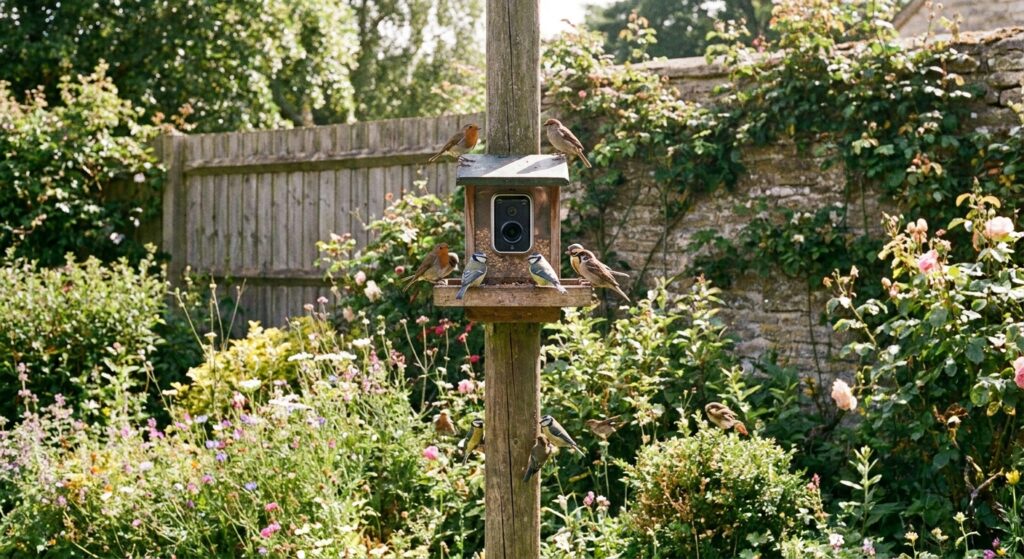
A bird feeder camera can transform your UK garden into a window onto the secret lives of robins, blue tits, and other beloved birds. But to capture the best moments and attract a variety of species, where you place your camera is just as important as the camera itself. This guide reveals the most effective strategies for positioning your bird feeder camera for rewarding birdwatching all year round.
What Bird Feeder Camera Placement Is and Why It Matters
Bird feeder camera placement refers to the strategic positioning of a camera-equipped feeder in your garden to maximise bird activity and ensure clear, engaging footage. Unlike standard feeders, these devices let you observe and record garden birds up close, making placement decisions crucial for both bird welfare and your viewing experience.
In the UK, gardens are often bustling with species like robins, blue tits, great tits, and goldfinches. The right placement can encourage these birds to visit regularly, while also ensuring the camera captures their natural behaviours without disturbance. By understanding the importance of location, you’ll create a welcoming environment for birds and enjoy more reliable, high-quality footage throughout the seasons.
Key Benefits, Uses or Reasons People Choose Bird Feeder Camera Placement
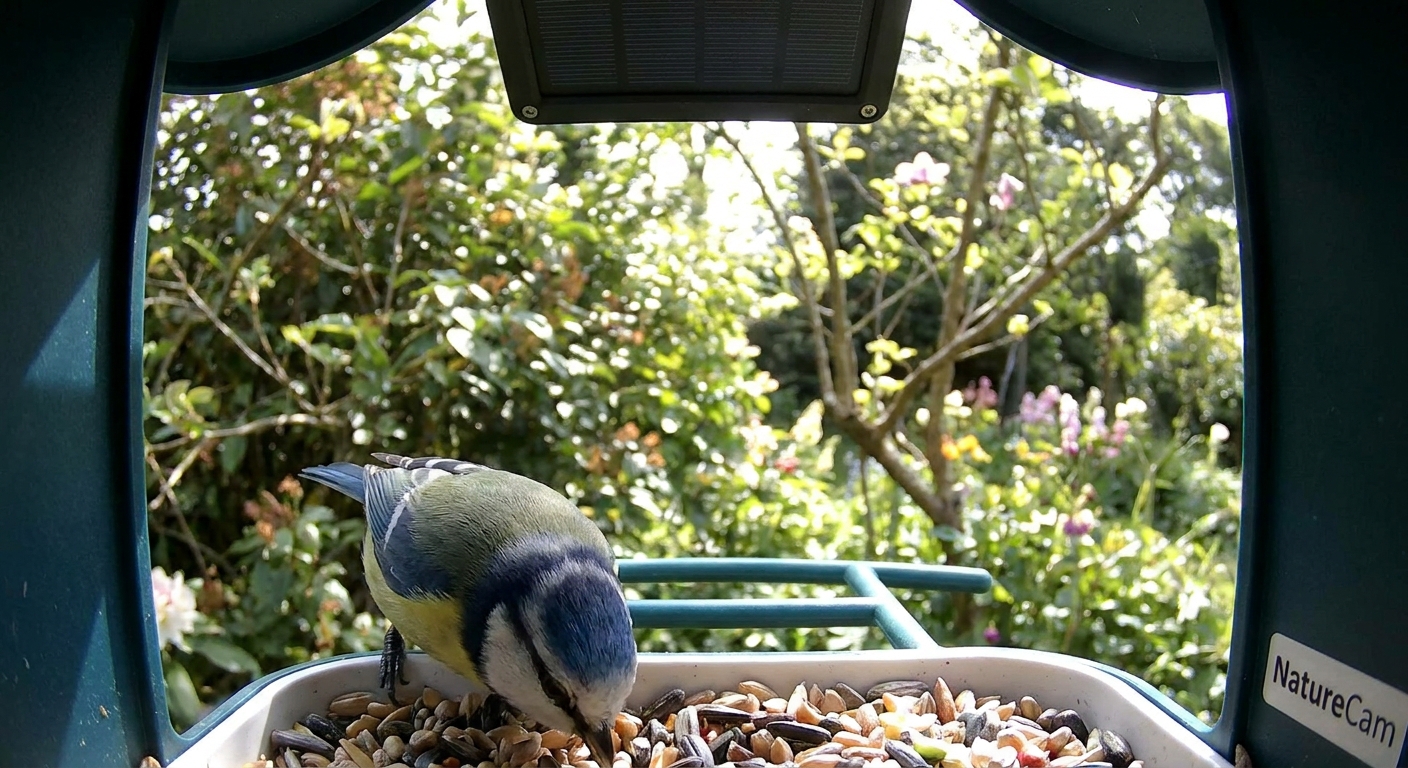
Optimal bird feeder camera placement offers a host of practical benefits for UK garden bird identification tips birdwatchers. Firstly, it increases the likelihood of attracting a diverse range of species, from house sparrows and starlings to the elusive coal tit. When the feeder is set at the right height and distance from cover, birds feel safe enough to linger, giving you more opportunities to observe and record them in detail.
Secondly, well-placed cameras provide clearer, more captivating footage. For example, positioning your feeder camera near a bush or tree not only gives birds a safe escape route but also creates a natural backdrop, enhancing the visual appeal of your recordings. Many birdwatchers have found that placing cameras at eye level or slightly above results in sharper images and more natural bird behaviour, as birds are less likely to be startled by movement below.
Finally, strategic placement helps protect both your equipment and the birds. By avoiding exposed, windy spots or areas prone to predators, you reduce the risk of damage and disturbance. For instance, placing your feeder camera away from busy paths and at least five feet off the ground can deter cats and squirrels, ensuring your garden birds feed in peace while your camera remains secure.
Important Things to Know Before You Start or Buy
Before setting up your bird feeder camera, it’s vital to consider the unique characteristics of your garden. Take note of where birds already gather—perhaps near hedges, established feeders, or sheltered corners. Many beginners make the mistake of placing their camera in open, exposed areas, which can deter shy species like blackbirds and reduce the variety of birds you see.
Another key factor is the direction your camera faces. In the UK, it’s generally best to avoid direct south-facing positions, as strong sunlight can cause glare and wash out footage. Instead, aim for a spot with dappled shade, such as under a tree or near a north or east-facing fence, to balance light and keep birds comfortable. Also, think about accessibility for cleaning and refilling—placing the feeder too high or in a tangled shrub can make maintenance tricky.
When choosing a camera, consider features like weatherproofing, night vision, and Wi-Fi connectivity. Not all models are suited to the UK’s variable weather, so investing in a robust, easy-to-mount camera will save frustration later. Avoid the common pitfall of buying the cheapest option without checking compatibility with your garden’s layout or your preferred bird species.
How to Choose the Right Bird Feeder Camera Placement
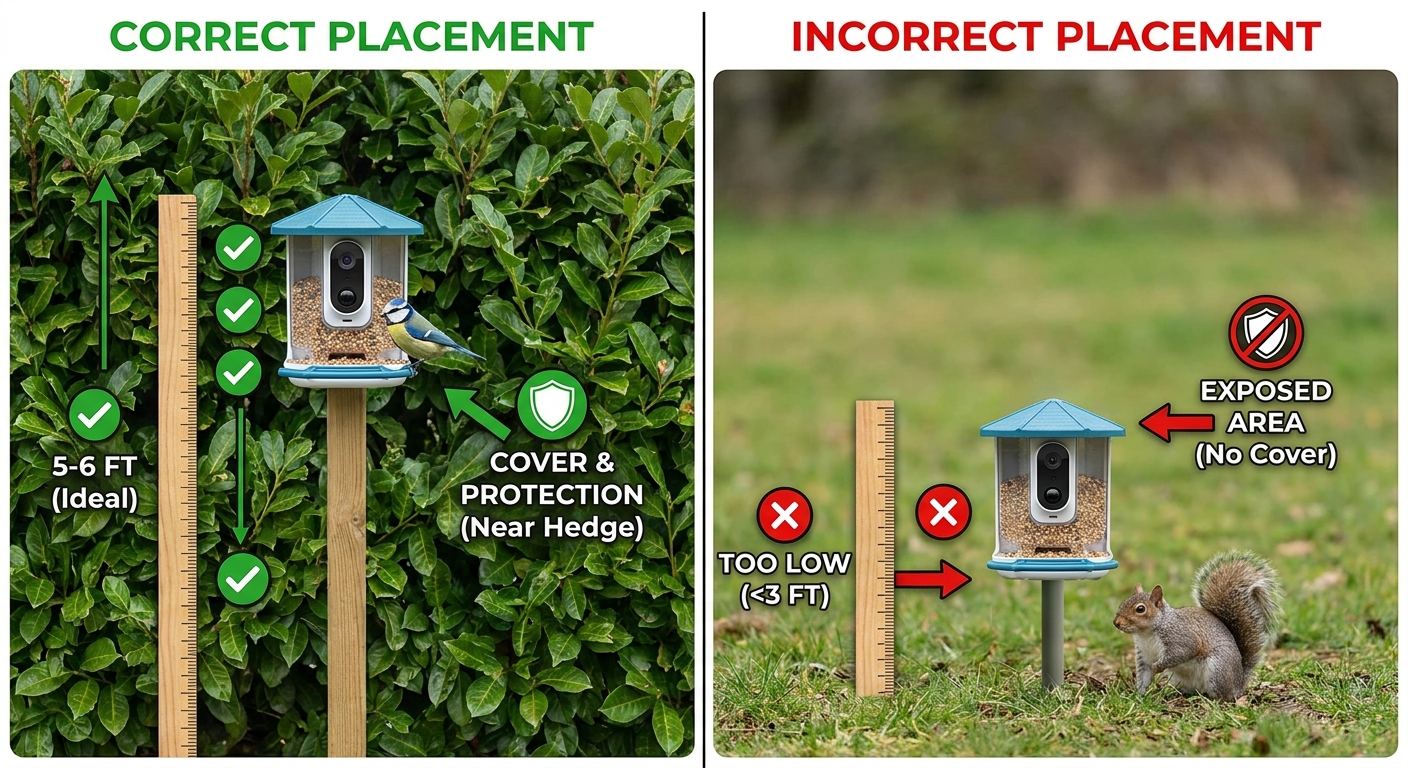
Choosing the ideal spot for your bird feeder camera setup guide involves balancing bird safety, camera performance, and ease of access. Start by identifying areas in your garden where birds already feel secure—near hedges, mature trees, or dense shrubs. These spots provide natural cover, making birds more likely to visit and linger, especially species like robins and blue tits that prefer some shelter.
Next, consider the height and distance from potential hazards. The widely recommended 5-7-9 rule suggests placing feeders five feet off the ground, seven feet from dense cover, and nine feet from the nearest window. This setup helps deter predators and reduces the risk of birds flying into glass. For camera-equipped feeders, mounting at eye level or slightly higher ensures you capture detailed footage without disturbing the birds.
Compare camera features before deciding on placement. Some models offer wide-angle lenses, motion detection, or solar charging, which can influence where you position them. For example, a camera with a narrow field of view should be placed closer to the feeder, while a wide-angle model can be set further back to capture more activity. If you’re considering an upgrade, look for cameras designed for UK weather and compatible with your preferred bird food types, such as seed, suet, or mealworms.
Common Mistakes and How to Avoid Them
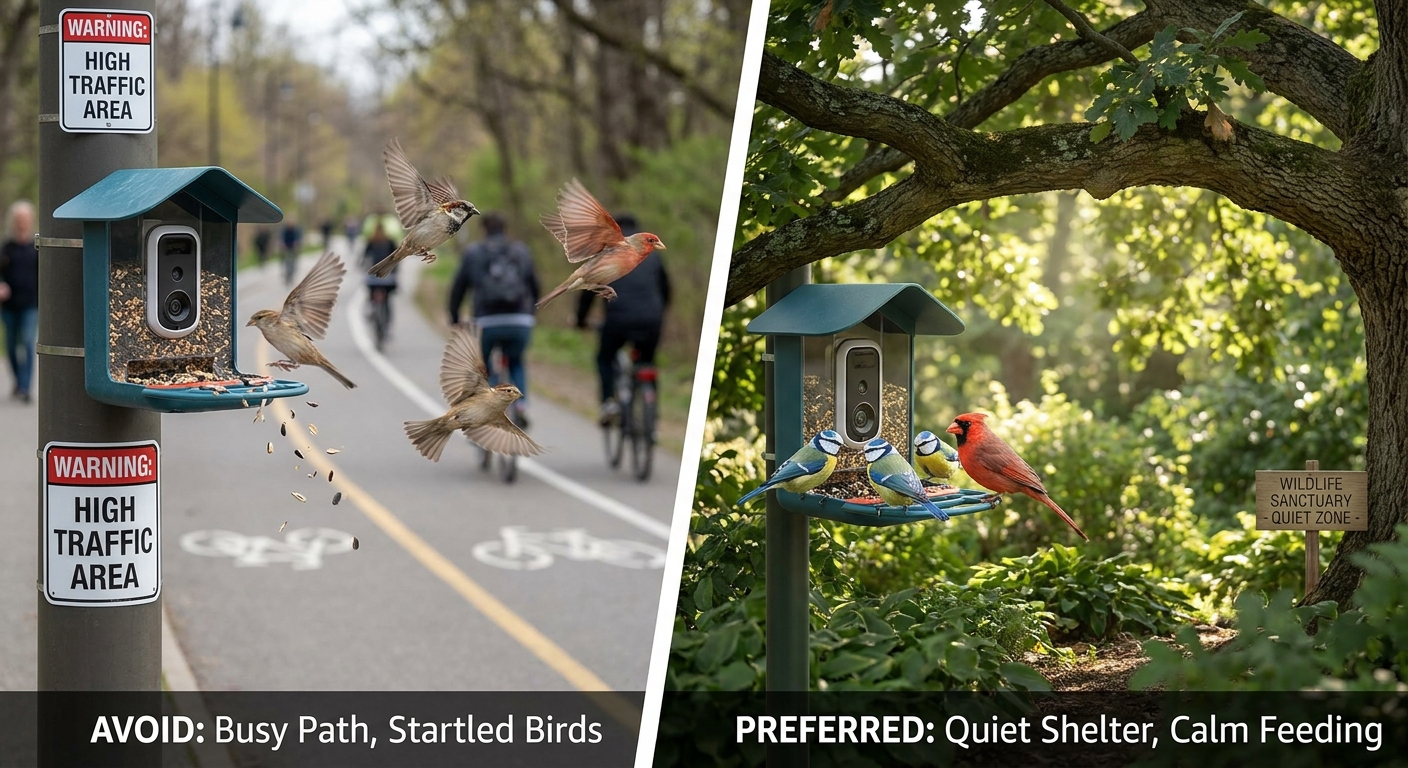
One of the most frequent mistakes is placing the bird feeder troubleshooting guide feeder camera in a spot that’s too exposed or too close to human activity. This can make birds wary and reduce the number of visitors, particularly among more cautious species like goldfinches and blackbirds. To avoid this, always choose a quieter part of the garden, away from busy paths or play areas, and provide some natural cover nearby.
Another common error is neglecting to secure the feeder and camera against predators and the elements. Squirrels, cats, and even strong winds can dislodge poorly mounted setups, leading to lost footage or damaged equipment. Use sturdy poles with baffles, ensure mounts are tight, and check regularly for signs of wear. By learning from these pitfalls, you’ll create a safer, more inviting space for birds and enjoy more consistent, high-quality recordings.
Frequently Asked Questions
What is the best height for a bird feeder camera in the UK?
The ideal height is around five feet off the ground, which keeps the feeder accessible to birds but out of reach of most predators. This also aligns well with the 5-7-9 rule for safe, effective feeder placement.
Should I place my bird feeder camera in the sun or shade?
A mix of sun and shade is best. Too much sun can cause glare and overheating, while too much shade may make footage too dark. Dappled shade from a nearby tree or bush is ideal for both birds and camera performance.
How close should my feeder camera be to cover or shelter?
Aim to place your feeder about seven feet from dense cover like a hedge or shrub. This gives birds a safe escape route from predators without making it too easy for cats or squirrels to ambush them.
Can I use a bird feeder camera in a small UK garden?
Absolutely. Even in compact spaces, careful placement—such as near a wall-mounted trellis or small tree—can attract a variety of species and provide excellent footage.
What birds am I likely to see with a well-placed feeder camera in the UK?
Common visitors include robins, blue tits, great tits, goldfinches, house sparrows, starlings, blackbirds, and coal tits. The exact mix will depend on your local habitat and food choices.
The right bird feeder camera placement can make all the difference in attracting a vibrant mix of UK garden birds and capturing their fascinating behaviours on film. By considering safety, shelter, lighting, and accessibility, you’ll create a welcoming haven for robins, blue tits, and more—while enjoying crisp, engaging footage year-round. Ready to take your birdwatching to the next level? Explore our expert buying guide for the best bird feeder cameras and accessories tailored to UK gardens.