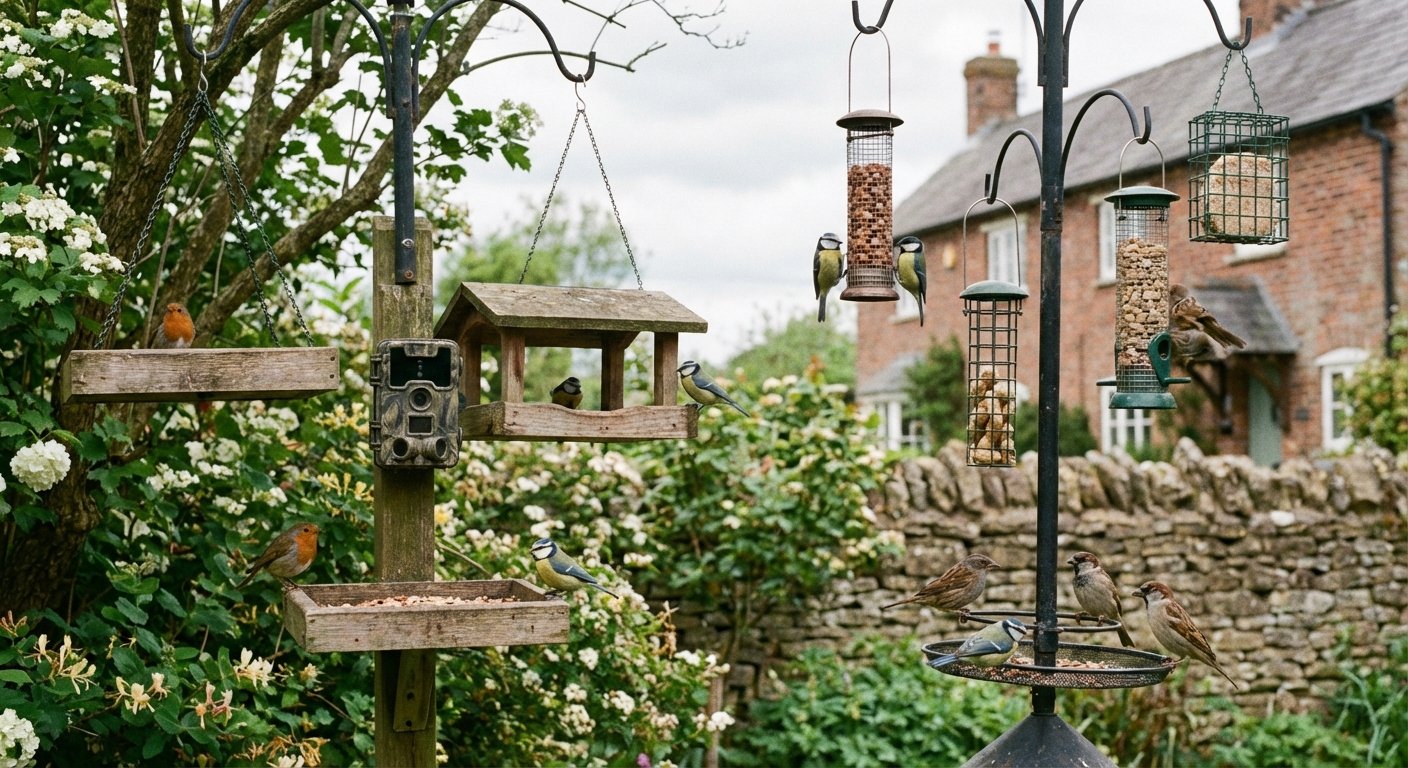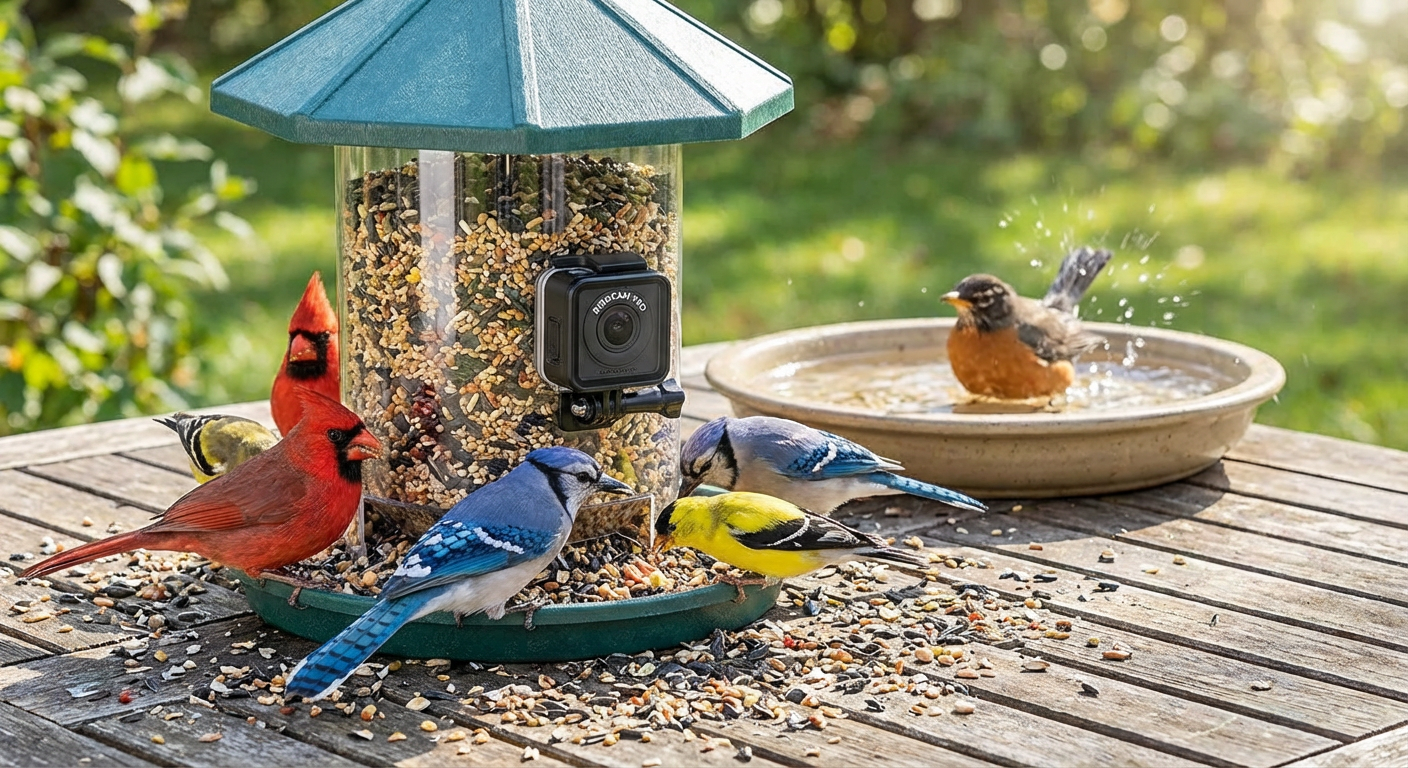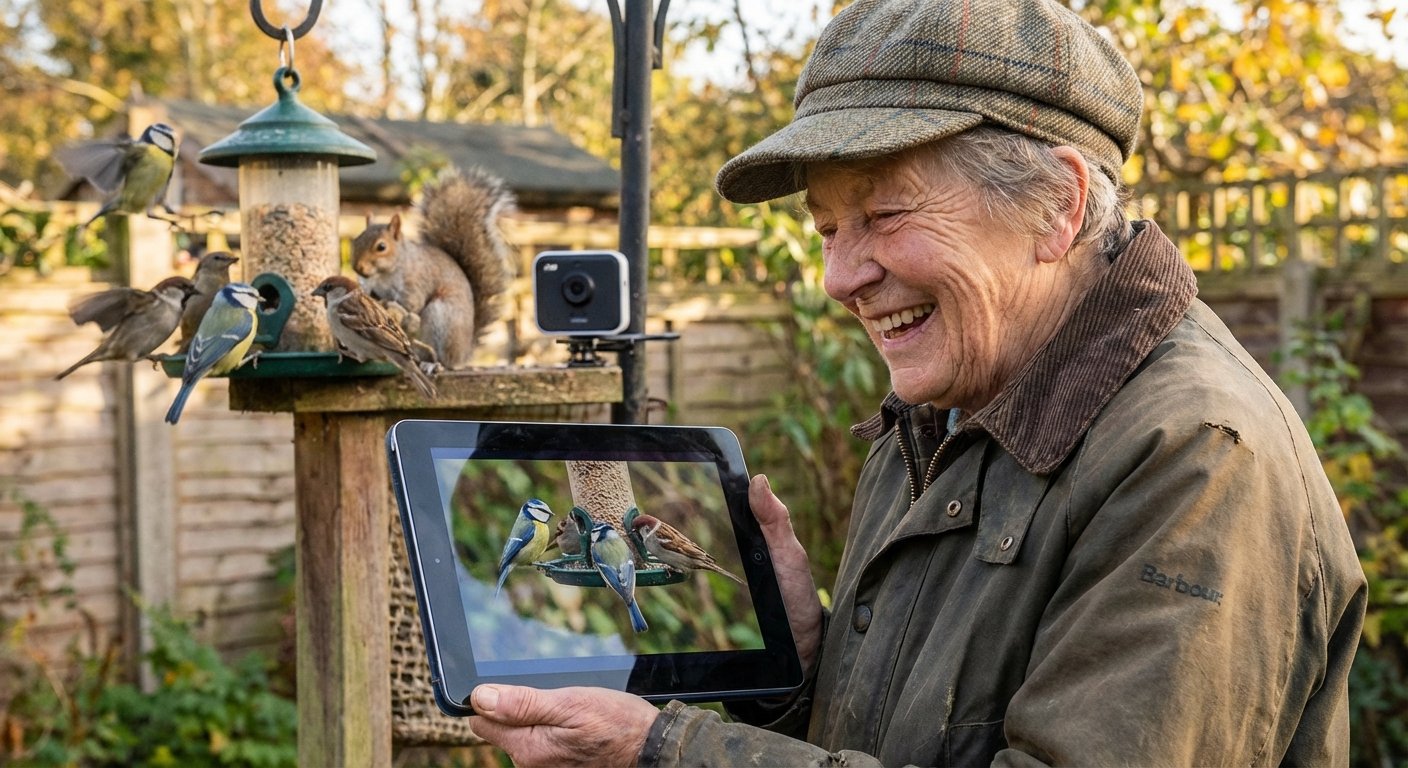
Watching garden birds up close is a delight for bird watchers and hobby gardeners across the UK. With a bird feeder camera, you can capture every flutter and feeding moment, but attracting a diverse range of birds takes more than simply hanging a feeder. This step-by-step playbook will guide you through proven strategies to transform your feeder camera into a lively hub of avian activity.
Why birds may ignore a new feeder at first
When you first install a new bird feeder or relocate an existing one, don’t be surprised if it sits empty for days or even weeks. Birds are naturally cautious creatures that view any change in their environment as a potential threat. This wariness has evolved as a survival mechanism – unfamiliar objects could signal danger from predators or human interference. Understanding this behaviour is crucial for managing your expectations and maintaining patience during the initial setup period.
Several factors contribute to birds’ initial reluctance to visit new feeders. Location plays a significant role – feeders placed too close to windows, in overly exposed areas, or near high-traffic zones may deter cautious birds. The type of feeder also matters; some species prefer certain feeding styles over others. For instance, goldfinches favour nyjer seed feeders with small perches, while robins prefer ground-level feeding trays. Additionally, the cleanliness and freshness of the seed can impact initial attraction – stale or contaminated food will be avoided by discerning birds.
The “discovery period” typically lasts anywhere from 3-14 days for common garden birds, though it can extend longer in areas with fewer resident birds or during seasonal migration periods. During autumn and winter months, when natural food sources become scarce, birds may discover new feeders more quickly as they actively search for reliable food sources. Conversely, spring and summer months might see longer discovery periods as birds focus on abundant natural foods and territorial breeding behaviours.
To encourage quicker adoption of your new feeder, consider implementing a few proven strategies. Scatter some seed on the ground beneath the feeder to create a natural feeding area that ground-foraging birds will discover first. Once these birds establish a routine, their presence will signal safety to other species. You can also temporarily place the feeder closer to existing bird hotspots in your garden, such as near bird baths or established roosting areas, before gradually moving it to your preferred camera position.
Patience remains your most valuable tool during this waiting period. Resist the urge to frequently move or adjust the feeder, as each change resets the discovery timeline. Instead, use this time to observe your garden’s natural bird activity patterns and fine-tune your camera settings. Many successful bird photographers report that their most rewarding footage came after weeks of apparent inactivity, when birds finally accepted the feeder and began visiting regularly throughout the day.
Choose the right location for regular visits
Successful bird attraction starts with understanding your local avian population and the unique characteristics of your garden. Begin by researching which bird species are common in your area and what types of food, shelter, and environments they prefer. Resources such as the RSPB’s online guides, eBird sightings maps, and local birdwatching groups can provide valuable insights into seasonal trends and feeding habits. For instance, if you live in a wooded area, you’re more likely to attract woodpeckers, nuthatches, and treecreepers, while urban gardens might see more house sparrows, starlings, and pigeons. Coastal areas often host different species like turnstones and wheatears during migration periods, whilst moorland gardens might attract meadow pipits and skylarks.
Next, assess your current garden setup with a critical eye, conducting what experienced birders call a “habitat audit.” Take note of existing trees, shrubs, and water sources, as these natural features play a crucial role in making your feeder camera location appealing to birds. Identify any gaps where additional cover or feeding stations could enhance the habitat. Look for areas that offer a balance of open space for feeding and nearby shelter for quick escapes. Dense shrubs within 3-10 feet of your feeder provide perfect staging areas where birds can perch and assess safety before approaching the food source. Native plants like hawthorn, elderberry, and rowan are particularly valuable as they provide both shelter and natural food sources that complement your artificial feeding station.
The positioning of your bird feeder camera requires careful consideration of both bird behaviour and practical filming needs. Choose a location that’s sheltered from prevailing winds and harsh weather, ideally facing away from direct afternoon sun to prevent glare in your footage and overheating of equipment. The “golden hour” lighting of early morning often provides the Best bird feeder cameras for UK gardens filming conditions, so consider east-facing positions that capture this natural illumination. Avoid placing feeders too close to windows (at least 3 feet away) to prevent bird strikes, or alternatively, position them very close (within 1 foot) so birds can’t build up dangerous momentum. Consider the camera’s field of view and ensure there are no obstructions like washing lines, garden furniture, or overhanging branches that might interfere with your shots or create unwanted shadows.
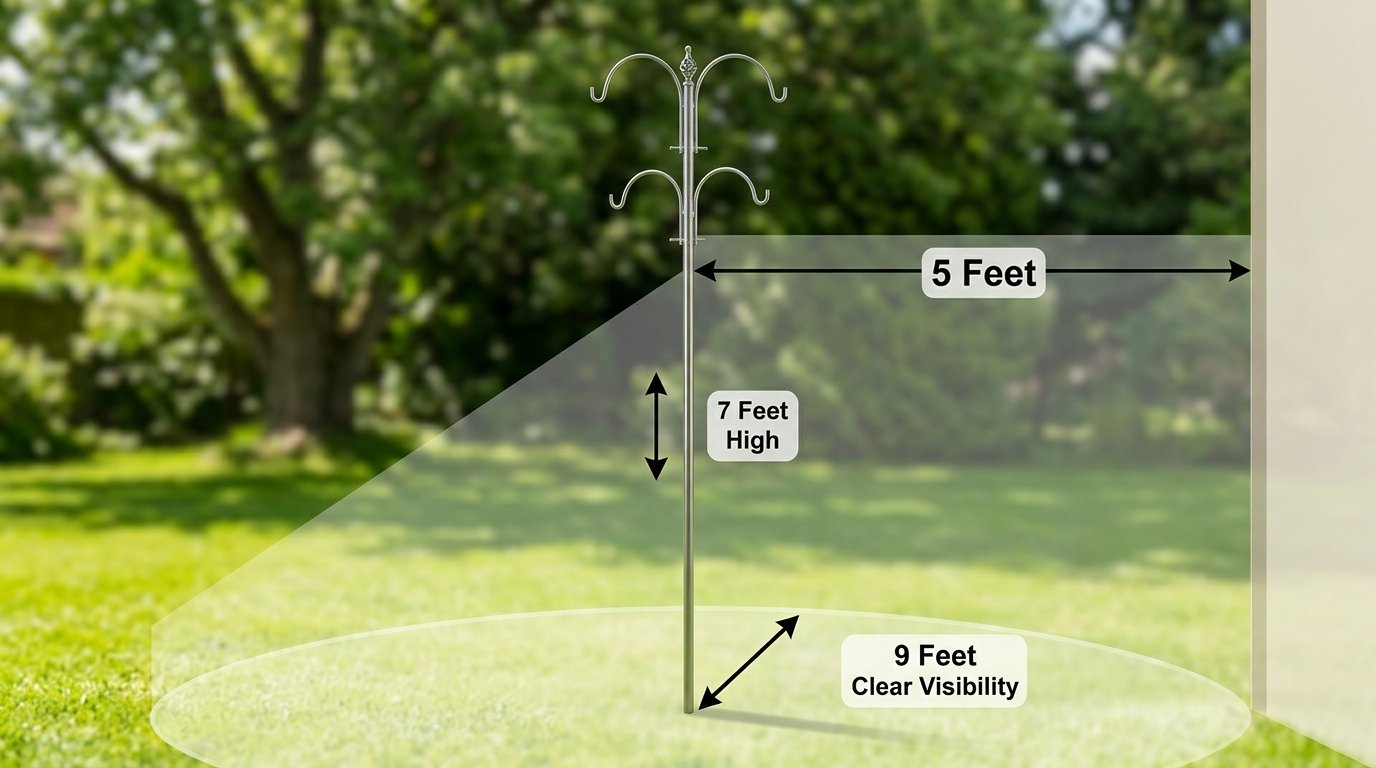
Understanding the specific microhabitat preferences of different bird species can significantly improve your success rate. Ground-feeding birds like blackbirds, robins, and thrushes prefer scattered food on open lawn areas or under low shrubs, whilst finches and tits favour hanging feeders at varying heights. Create a “feeding station complex” with multiple feeder types at different levels – ground trays, pole-mounted feeders at 4-5 feet, and hanging feeders at 6-8 feet. This vertical diversity accommodates the natural feeding behaviours of different species and creates more filming opportunities. Water features are equally important; a shallow birdbath or dripping water source within camera range can attract species that might not visit feeders, such as warblers and flycatchers.
Common blockers that deter birds include poorly chosen feeder locations, lack of food variety, and insufficient shelter from predators or harsh weather. Cats are a particular concern in the UK, with domestic and feral cats killing an estimated 55 million birds annually. Ensure your feeding station is either elevated (6+ feet high) or has clear sightlines that allow birds to spot approaching threats from at least 10 feet in all directions. Avoid areas directly under bird tables where droppings might accumulate, and steer clear of high-traffic zones where constant human activity will discourage visits. Reflective surfaces, wind chimes, or sudden movements near the feeding area can also spook birds, so maintain a “quiet zone” around your camera setup.
Seasonal considerations play a crucial role in optimal positioning and can dramatically affect your filming success. During breeding season (March to July), birds are more territorial and may prefer quieter, more secluded spots. In winter, they’re often more desperate for food and will tolerate busier locations. Autumn migration periods (August to October) can bring unexpected species to your garden, so having your camera positioned to capture a wide area increases your chances of recording rare visitors. Weather patterns also influence bird behaviour – during storms or cold snaps, birds will seek more sheltered feeding spots, whilst in mild weather they may prefer open areas with good visibility.
Equip yourself with the right tools for success: a reliable bird feeder camera with good battery life (minimum 6 months), weather protection rated to IP65 or higher, and night vision capabilities for dawn and dusk activity. Invest in a variety of feeders to accommodate different species – tube feeders for small seeds, platform feeders for mixed food, suet feeders for woodpeckers, and nyjer feeders for goldfinches. Stock high-quality seeds appropriate for UK birds, including black sunflower seeds, mixed seed blends, and species-specific foods like mealworms for robins and peanuts for tits. Consider investing in squirrel-proof feeders if grey squirrels are common in your area, as they can quickly empty feeders and damage equipment. Being well-prepared with backup food supplies, spare batteries, and regular cleaning supplies ensures you can maintain consistent feeding schedules, which is crucial for building trust with your local bird population and capturing the best footage.
The best foods for attracting a mix of UK birds
Creating an irresistible buffet for UK birds requires understanding their diverse dietary preferences and feeding behaviors. The key to attracting a wide variety of species lies in offering multiple food types that cater to different nutritional needs throughout the year. High-energy foods like sunflower hearts are universally popular, providing essential fats that help birds maintain their energy levels, especially during colder months. These hulled seeds create less mess than traditional sunflower seeds and are readily accepted by species ranging from blue tits and great tits to greenfinches and house sparrows.
Nyjer seeds, also known as thistle seeds, are particularly effective for attracting finches, including goldfinches, siskins, and redpolls. These tiny, oil-rich seeds require specialized feeders with fine mesh or small holes to prevent spillage. Peanuts, whether offered whole, chopped, or as peanut butter, draw larger species like great spotted woodpeckers, nuthatches, and jays. How to clean and maintain your bird feederever, ensure peanuts are aflatoxin-free and avoid salted varieties. Suet-based foods, including fat balls and suet pellets, provide crucial calories during winter and are especially favored by woodpeckers, treecreepers, and members of the tit family.
Ground-feeding species such as robins, blackbirds, and thrushes prefer different offerings than their tree-dwelling counterparts. Scatter mealworms, both live and dried, on a ground tray or directly on the soil to attract these species. Crushed peanuts, mixed seeds, and even kitchen scraps like grated cheese or soaked raisins can entice ground feeders. Robins are particularly fond of mealworms and will often become quite tame, potentially feeding from your hand with patience. Song thrushes and blackbirds appreciate fruit, especially during autumn when natural berry sources become available.
Seasonal variation in your food offerings can dramatically increase bird activity around your feeder camera. During spring and summer, when birds are feeding young, protein-rich foods like mealworms and suet become even more critical. Parent birds need high-energy foods to fuel their constant foraging trips. In autumn, incorporating berry-producing plants near your feeding station or offering dried fruits can attract migrating species and resident birds preparing for winter. Winter feeding should focus on high-fat, high-calorie options to help birds survive harsh weather conditions.
Water provision is equally important as food in creating an attractive bird habitat. A shallow bird bath positioned within camera view can double your wildlife observation opportunities, as birds need water for both drinking and bathing year-round. During winter, consider using a heated bird bath or regularly replacing frozen water to maintain this vital resource. The sound of moving water, such as a small dripping feature or fountain, can be particularly attractive to birds and may draw species that wouldn’t normally visit feeders.
Strategic feeder placement and variety maximize both bird diversity and camera opportunities. Position different feeder types at varying heights and distances from your camera to capture birds with different feeding preferences. Tube feeders work well for smaller birds like tits and finches, while platform feeders accommodate larger species and ground feeders. Mesh feeders are ideal for peanuts and fat balls, and specialized nyjer feeders attract finch species. Rotating feeder positions occasionally can prevent territorial birds from dominating the area and ensure all species have access to food.
Top native plants to attract UK garden birds
Why consistency matters more than most people think
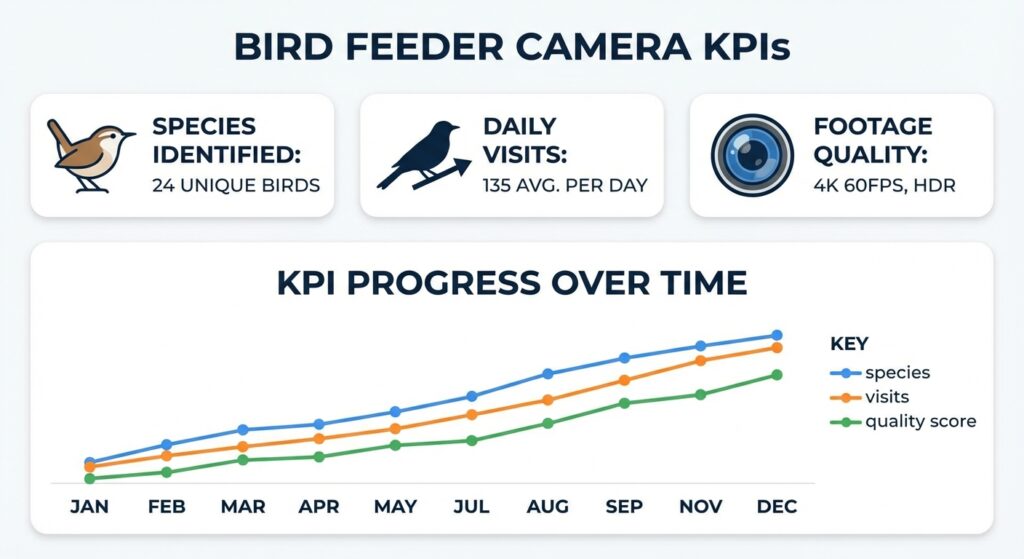
Once your feeder camera is up and running, ongoing optimization is key to sustaining and growing your bird population. Review your KPIs regularly using a simple dashboard or logbook. Track trends such as peak feeding times, species diversity, and changes in visit frequency. This data-driven approach allows you to spot opportunities for improvement and celebrate milestones. Consider creating a weekly review schedule where you analyze footage from the same time periods to identify patterns – you might discover that robins prefer early morning visits while goldfinches are more active in the afternoon.
Experimentation is at the heart of successful bird attraction. Try adjusting feeder positions, introducing new food types, or adding seasonal features like nesting boxes or winter shelters. For example, if you notice an increase in finches after adding nyjer seed, consider offering more of it or positioning a dedicated nyjer feeder closer to your camera’s optimal focal range. Document each change and its impact on your KPIs to refine your approach over time. Small adjustments often yield surprising results – moving a feeder just two feet higher might suddenly attract different species that prefer elevated feeding positions.
The importance of consistency extends beyond just maintaining food supplies. Birds are creatures of habit and routine, and they develop feeding patterns based on reliability. If your feeders are empty for several days, regular visitors may establish new feeding routes that exclude your garden entirely. This is particularly crucial during harsh winter months when birds depend on consistent food sources for survival. Maintaining a predictable feeding schedule helps build trust with your avian visitors and encourages them to bring their young during breeding season.
Weather patterns significantly impact bird behaviour and feeding requirements. During wet periods, birds need high-energy foods to maintain body temperature, making suet and fat-rich seeds particularly attractive. In dry spells, providing fresh water becomes as important as food – consider adding a shallow dish near your feeder to create an irresistible combination. Monitor how different weather conditions affect visitor numbers and species variety, then adjust your offerings accordingly. This adaptive approach demonstrates to birds that your garden is a reliable resource regardless of conditions.
Feedback loops are essential for continuous improvement. Engage with local birdwatching communities online or through RSPB groups to share experiences and gather tips specific to your region. Compare your results with others in similar environments to benchmark your progress. Many UK bird enthusiasts use platforms like iNaturalist or eBird to log sightings and compare seasonal trends. Iterative improvements, guided by real-world data and community insights, ensure your bird feeder camera remains a vibrant focal point for UK garden wildlife while contributing valuable citizen science data to national bird monitoring efforts.
How long it takes birds to trust a new feeder
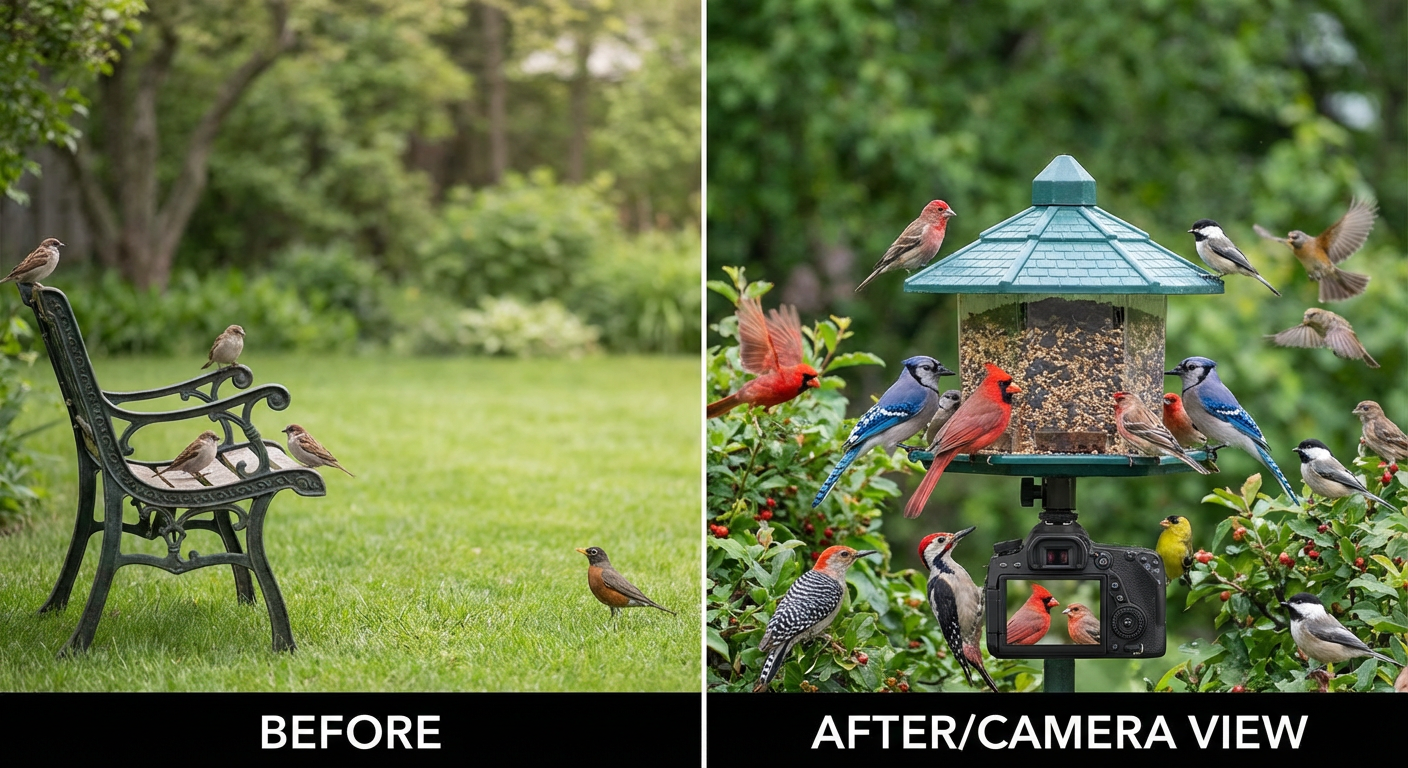
Consider the experience of a hobby gardener in the Midlands who struggled to attract more than two bird species to their feeder camera. After setting clear goals and researching local bird preferences, they repositioned their feeder, diversified the food selection, and added a small water feature. Within three weeks, their daily visitor count tripled, and they captured footage of six different species, including the elusive long-tailed tit.
The before-and-after metrics were striking: from an average of four visits per day to over twelve, and from two species to six. The gardener noted, “I never imagined my garden could be so lively. The camera now records constant activity, and I’ve even spotted birds I’d never seen before.” This transformation didn’t happen overnight – the first week showed minimal change, but patience proved essential as word spread through the local bird community.
Building trust with wild birds requires understanding their natural caution around new objects. Most UK garden birds, particularly species like robins and blue tits, will initially observe a new feeder from a safe distance for several days. During this reconnaissance period, they’re assessing potential threats and watching for other birds’ behaviour. Placing the feeder near existing perches or natural cover helps reduce this adjustment period significantly.
The type of bird also influences trust-building timelines. Bold species like house sparrows and starlings often approach new feeders within 24-48 hours, while more cautious birds such as goldfinches and greenfinches may take up to two weeks to feel comfortable. Weather conditions play a crucial role too – harsh winter conditions or food scarcity can accelerate acceptance as birds prioritise survival over caution.
This scenario highlights the power of a structured, data-driven approach combined with patience and persistence. By following proven strategies and allowing adequate time for bird communities to adapt, even small gardens in urban or suburban settings can become thriving bird havens, offering endless enjoyment and unique photographic opportunities for bird watchers and wildlife enthusiasts alike.
Frequently Asked Questions
Why are birds not coming to my feeder?
Birds may not be coming to your feeder for a few common reasons: the feeder is too new, it is in the wrong position, the food is not suitable, or the area feels unsafe. Garden birds are cautious, especially if a feeder is placed in an exposed spot with little cover nearby.
It can also take time for birds to notice a new food source and trust it. If you have recently installed a bird feeder camera, give it a bit of time, keep the food fresh, and place it somewhere quiet with a clear flight path and some nearby shrubs or trees for shelter.
How do I attract robins and blue tits to my feeder?
To attract robins, offer foods such as mealworms, suet pellets and soft mixes, ideally on a feeder tray or table, as robins do not always like hanging feeders. They prefer feeding spots that feel sheltered and are often more comfortable closer to cover.
To attract blue tits, use sunflower hearts, peanuts and suet in hanging feeders. Blue tits are agile and happy using suspended feeders, especially in gardens where they already feel safe. If you want both species to visit, it helps to provide more than one type of feeder and a mix of food.
How long does it take birds to find a bird feeder?
It can take anywhere from a few days to a few weeks for birds to find and start using a new feeder. In a garden with lots of existing bird activity, they may arrive quite quickly. In quieter areas, or if the feeder is in a poor location, it can take longer.
The best way to speed things up is to keep the feeder in the same place, use high-quality food, and avoid disturbing the area too much. Birds are more likely to return once they know the feeder is reliable and safe.
Transforming your UK garden into a vibrant bird sanctuary is both rewarding and achievable with the right approach. By setting clear goals, preparing thoughtfully, executing proven steps, and continually optimizing your setup, you’ll enjoy a thriving community of garden birds and capture stunning moments on your feeder camera. The playbook above ensures you not only attract more birds but also create a sustainable, wildlife-friendly haven for years to come.