
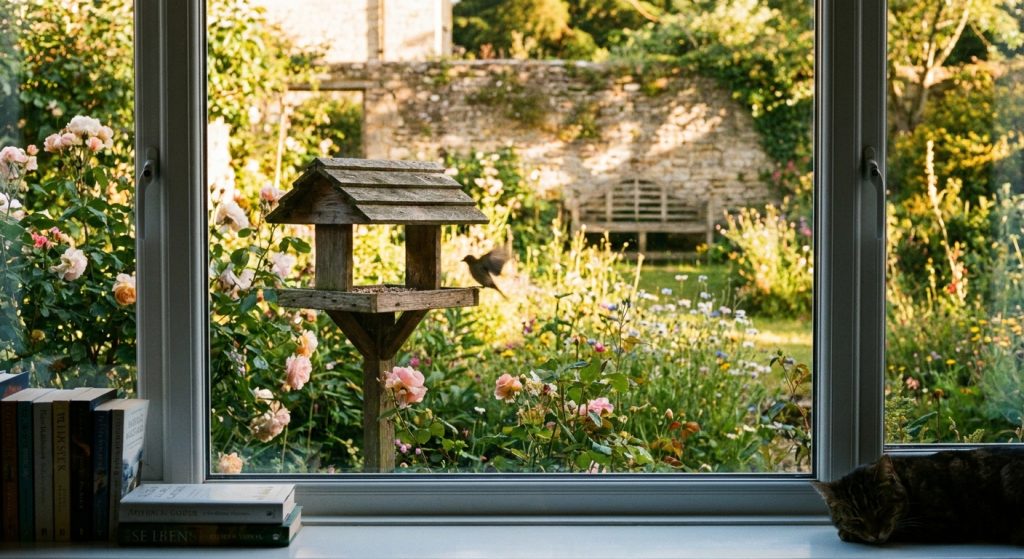
When life feels overwhelming, the simple act of observing nature can provide a much-needed anchor. For many, turning to the garden to watch local bird species has become a powerful tool for managing stress and finding moments of quiet reflection.
By integrating a bird feeder with a camera into your home setup, you can bring the intricate lives of blue tits, robins, and goldfinches directly to your screen, fostering a deeper connection with the natural world from the comfort of your living room.
What Bird Watching From Home Is and Why It Matters
Bird watching from home is the practice of observing avian activity within your own garden or outdoor space, often facilitated by strategic feeding stations and observation tools. It is not merely a hobby for enthusiasts; it is a form of ‘nature therapy’ that allows individuals to step away from the digital noise of modern life and focus on the rhythmic, predictable patterns of local wildlife. In the UK, our gardens are vibrant ecosystems, and learning to identify the visitors—from the bold starling to the shy coal tit—can transform a mundane view into a source of constant discovery.
This practice matters because it encourages mindfulness, a state of being fully present in the moment. When you are waiting for a great tit to visit your feeder, your mind naturally shifts away from personal worries and towards the immediate environment. Research has consistently shown that spending time observing birds can lower cortisol levels and improve overall mood for several hours after the activity. By making this a part of your daily routine, you create a sanctuary that supports your mental health while simultaneously contributing to the conservation of local bird populations.
Key Benefits of Bird Watching From Home
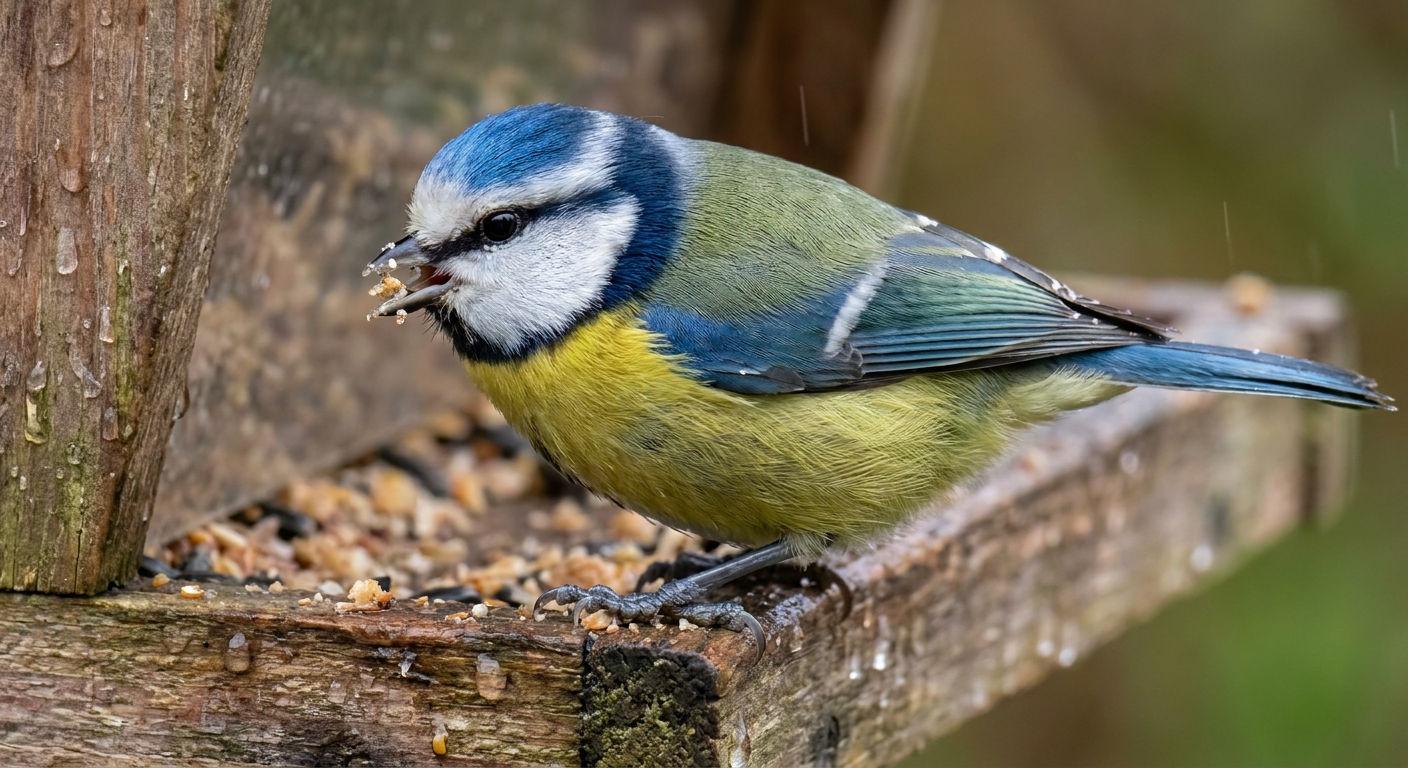
The primary benefit of watching birds from home is the profound sense of calm it instills. The gentle sounds of birdsong and the rhythmic movement of wings provide a sensory experience that grounds the nervous system. For those navigating difficult periods, this provides a low-pressure way to engage with the outside world without the need for travel or physical exertion. It is a gentle, accessible activity that can be tailored to your energy levels, whether you are watching for five minutes or an hour.
Beyond mental health, this hobby fosters a deep sense of connection to the seasons. You begin to notice the subtle changes in behaviour as winter approaches or when spring nesting season begins. This awareness of the natural cycle can be incredibly reassuring, reminding us that life is constantly moving and renewing itself. Watching a family of blue tits fledge or seeing a blackbird forage for worms provides a sense of perspective that is often lost in the chaos of daily life.
Finally, modern technology has made this experience more immersive than ever. Using a bird feeder with a camera allows you to capture high-definition footage of birds that might otherwise be too skittish to approach your window. This allows you to study their unique markings and behaviours in detail, turning your garden into a private nature documentary. It creates a sense of accomplishment and curiosity, providing a healthy distraction that keeps the mind engaged and positive.
Important Things to Know Before You Start or Buy
Before you invest in equipment, it is important to understand that patience is the most essential tool in your kit. Birds are naturally cautious, and it may take several days or even weeks for them to become comfortable with a new feeder or camera setup. Do not be discouraged if your garden remains quiet initially; consistency in providing high-quality food is the key to building trust with your local avian visitors.
When considering a purchase, think about your specific garden layout and the species you hope to attract. A camera feeder needs to be placed in an area that is both visible from your home and safe for the birds, ideally near cover like hedges or shrubs. Avoid placing feeders in wide-open spaces where birds feel exposed to predators. Furthermore, consider the maintenance requirements of your equipment; a camera that is difficult to clean or requires frequent battery changes can quickly become a chore rather than a joy.
Beginner mistakes often involve over-complicating the setup. Many people start by buying expensive, complex gear before they have even established a regular feeding routine. Start simple: provide a reliable source of sunflower hearts or high-quality fat balls, and ensure you have a clean water source nearby. Once you have established a steady stream of visitors, you can then look into adding a camera to document their habits. Remember that the goal is to reduce stress, not to add another complex project to your to-do list.
How to Choose the Right Bird Feeder Camera
Choosing the right camera feeder involves balancing image quality, ease of use, and durability. Look for models that offer weatherproofing, as UK weather can be notoriously unpredictable. A camera with motion detection is highly recommended, as it ensures you do not miss the action and saves you from scrolling through hours of empty footage. High-definition resolution is important if you want to identify specific species or observe fine details like feather patterns.
Connectivity is another major factor. Many modern systems offer Wi-Fi integration, allowing you to stream live footage directly to your smartphone or tablet. This is a game-changer for those who might have limited mobility or simply want to enjoy the birds while relaxing in another room. Check the app interface to ensure it is intuitive and allows for easy recording and sharing of clips, which can be a wonderful way to connect with friends and family who share your interest.
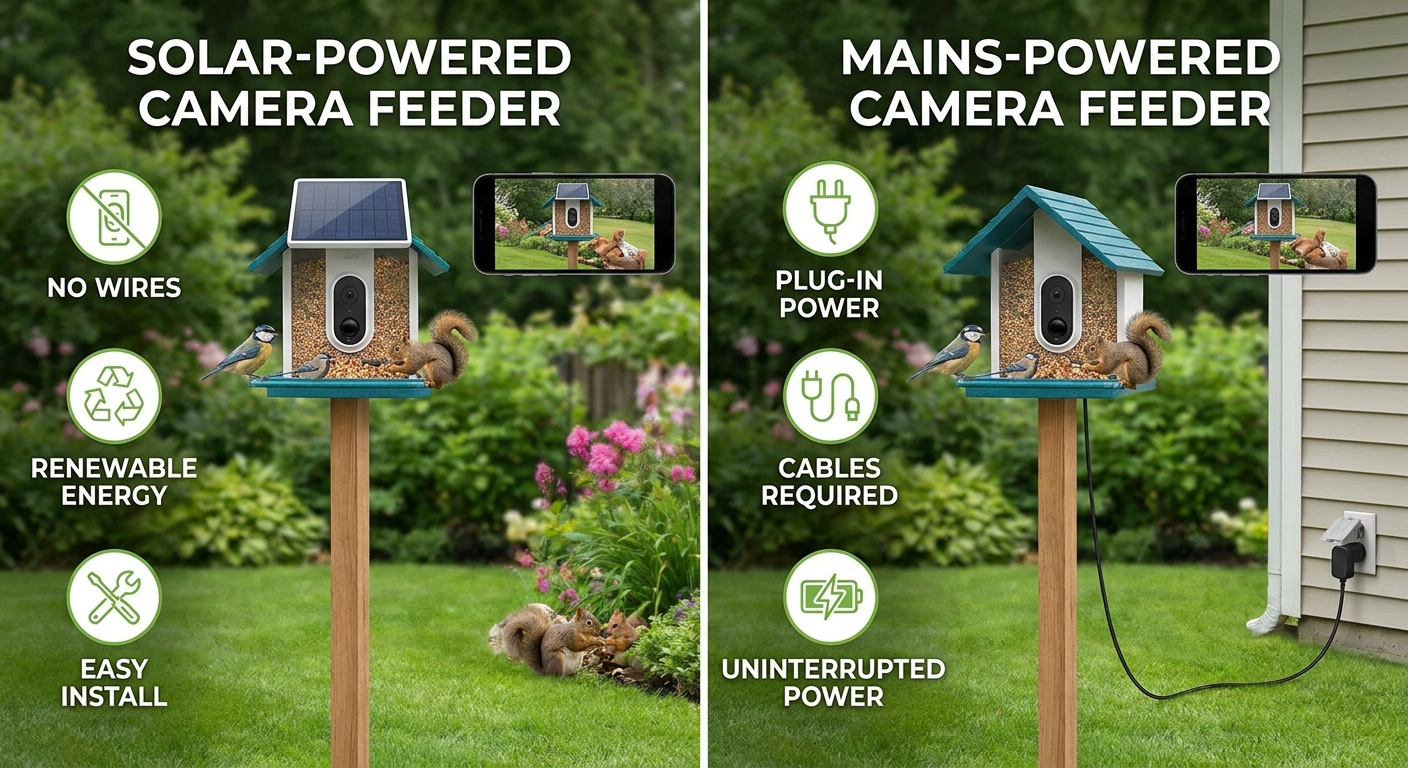
Finally, consider the power source. Solar-powered units are becoming increasingly popular and are excellent for remote corners of the garden where running a power cable is impractical. However, ensure the solar panel is positioned to receive adequate sunlight throughout the day. If you prefer a more permanent solution, mains-powered cameras offer the most reliability. By comparing these features against your specific needs, you can select a setup that enhances your bird-watching experience without adding unnecessary technical frustration.
Common Mistakes and How to Avoid Them
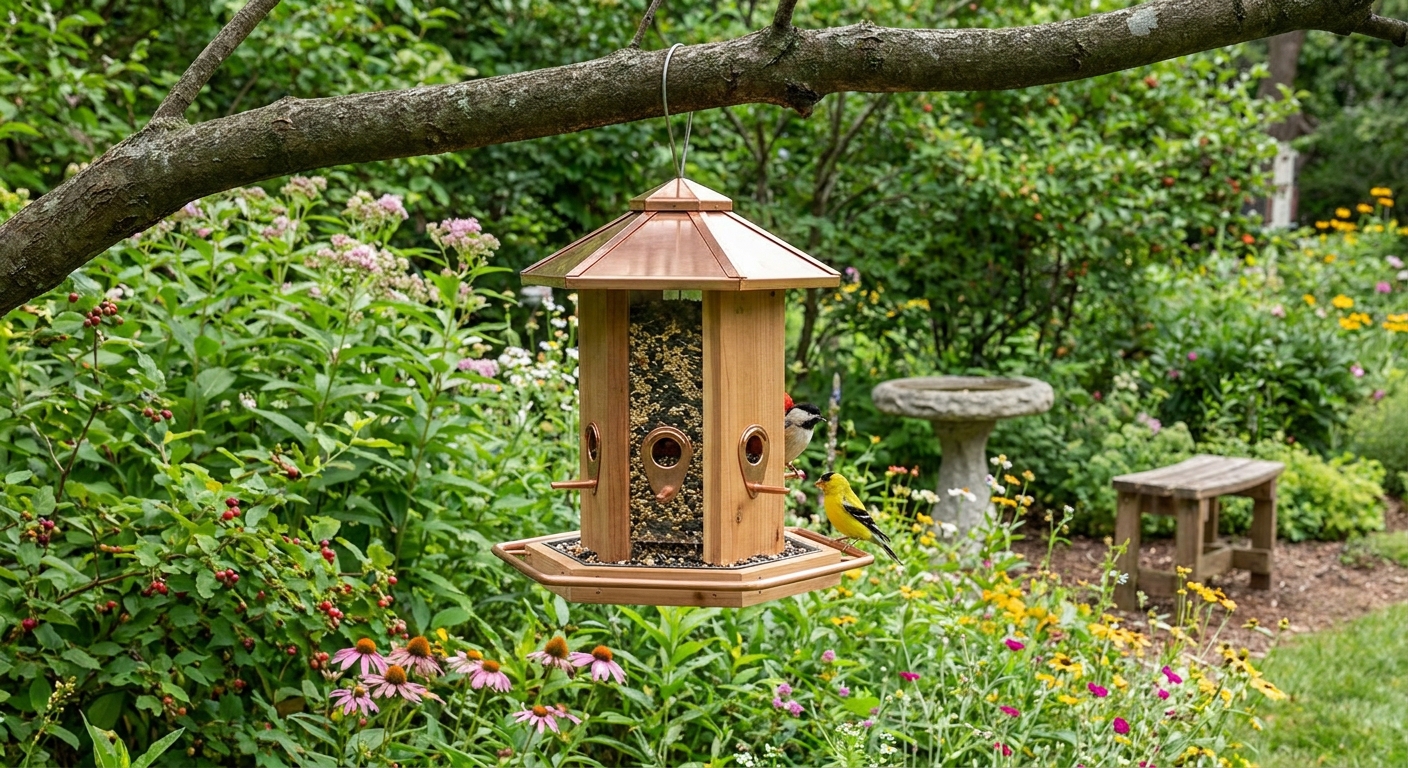
One of the most common mistakes is failing to keep feeding stations clean. Dirty feeders can harbour diseases that are harmful to birds, which is the opposite of the supportive environment you are trying to create. Make it a habit to scrub your feeders with a mild, bird-safe disinfectant every few weeks. This simple maintenance task ensures that your garden remains a healthy, welcoming haven for the local wildlife.
Another pitfall is placing the camera too close to the feeding port, which can startle birds and prevent them from landing. Give the birds space to approach the feeder comfortably. If you find that birds are avoiding the camera, try moving it slightly further away or camouflaging it with natural materials. Remember that the birds’ welfare always comes first; if a particular piece of equipment seems to be causing distress, it is better to remove it and rethink your strategy. By staying observant and flexible, you can create a harmonious space that benefits both you and the birds.
Frequently Asked Questions
How long does it take for birds to find a new feeder?
It can take anywhere from a few days to two weeks for birds to discover and trust a new feeder. Be patient and keep the food fresh.
What is the best food to attract a variety of birds?
Sunflower hearts are a fantastic all-rounder that attracts blue tits, goldfinches, and house sparrows. Adding fat balls can also attract starlings and robins.
Do I need a high-speed internet connection for a camera feeder?
A stable Wi-Fi connection is recommended for live streaming, but many cameras also record to an SD card if your signal is weak.
Watching birds from home is a simple yet profound way to nurture your mental health and reconnect with the natural world. By setting up a thoughtful feeding station and observing the daily lives of your garden visitors, you can find a peaceful sanctuary that helps you navigate life’s challenges with a little more grace and perspective.