
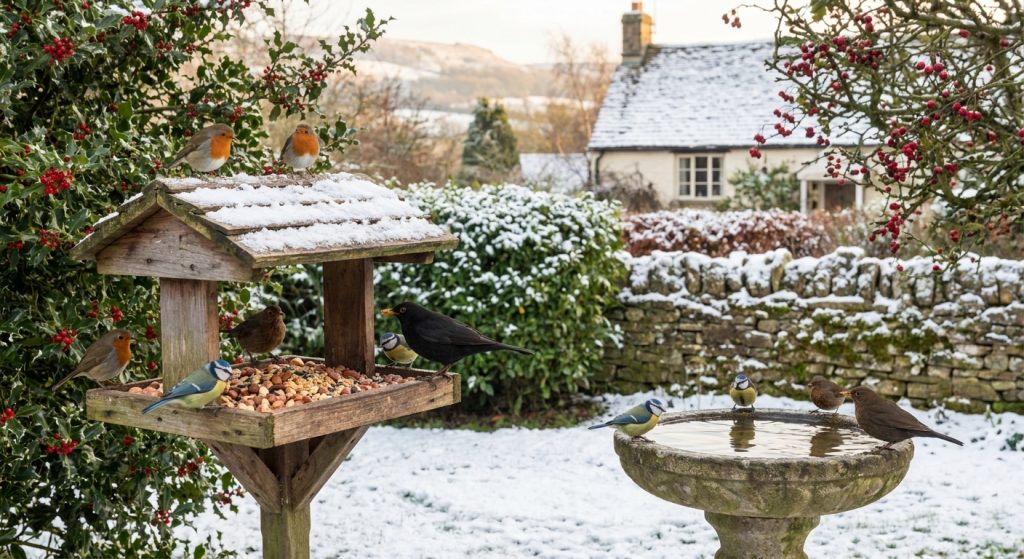
Winter can be a challenging time for garden birds in the UK, as natural food sources become scarce and harsh weather sets in. If you want to attract more feathered visitors to your garden during the colder months, a thoughtful approach to feeding and habitat is essential. This comprehensive guide will walk you through every step to create a winter haven for robins, blue tits, blackbirds, and more.
What You Need Before You Start

Before you begin attracting birds to your garden in winter, it’s important to gather the right equipment and materials. A reliable bird feeder is essential—choose one that’s sturdy, weather-resistant, and easy to clean. Consider a feeder with a built-in camera for added enjoyment and monitoring, especially if you’re keen to observe species like robins, blue tits, and goldfinches up close. You’ll also need a supply of high-energy bird food, such as sunflower hearts, suet balls, mealworms, and peanuts, which provide the calories birds need to survive the cold.
Don’t forget to prepare a water source, as natural supplies can freeze over in winter. A shallow bird bath or dish with fresh water, ideally with a heater or regularly refreshed, will help attract birds looking for a drink or a quick bath. Other useful items include a cleaning brush for feeders, gloves for handling suet, and a storage container to keep food dry. If you’re new to bird feeding, starter kits are available that include feeders, food, and cleaning tools—these can be a convenient way to get everything you need in one go.
Step 1 – Choose the Right Location
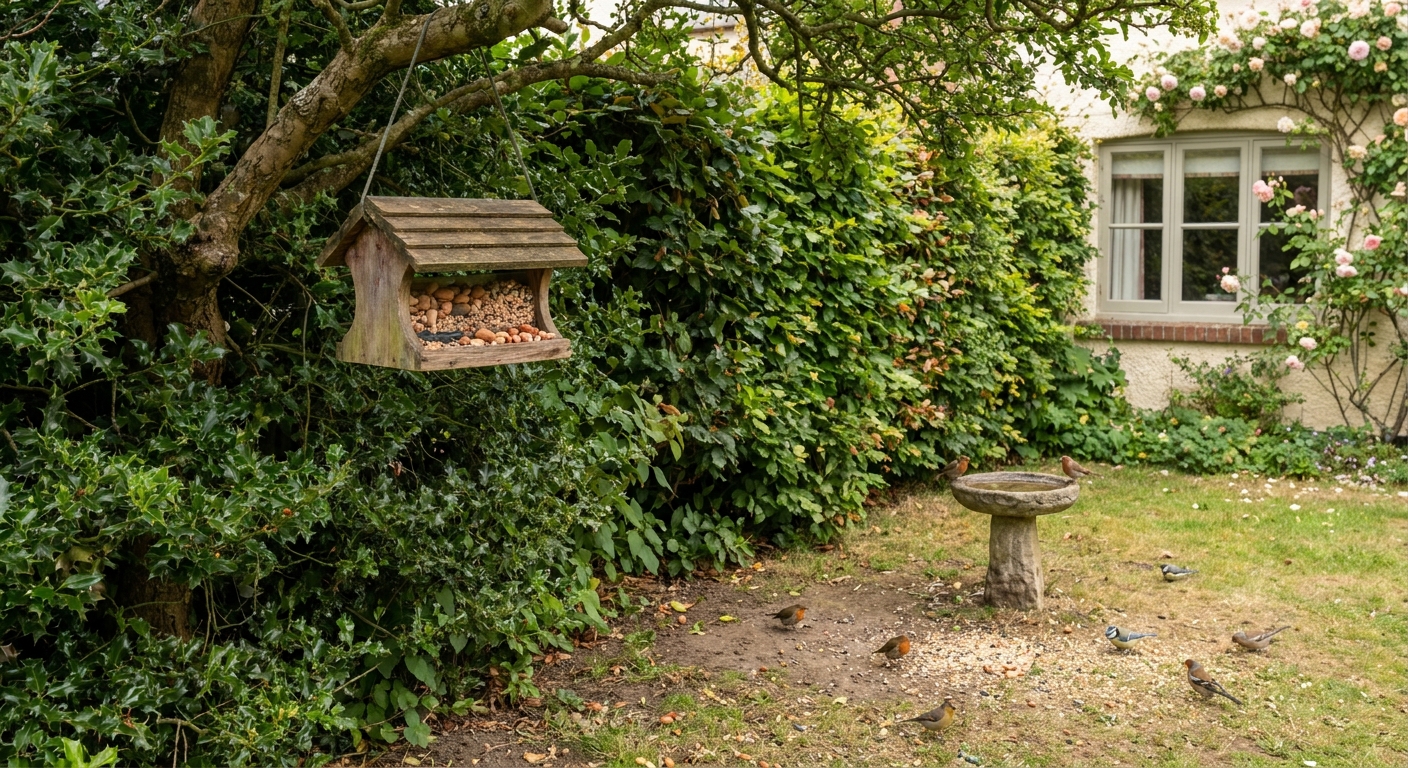
The first step in attracting birds during winter is selecting the optimal spot for your feeder and water source. Place feeders in a sheltered area, away from prevailing winds and heavy rain, but with a clear line of sight so birds can spot predators. Positioning your feeder near shrubs or hedges gives birds a safe retreat, which is especially important for shy species like coal tits and blackbirds. Avoid placing feeders too close to windows to reduce the risk of collisions, but keep them within view for easy observation and maintenance.
It’s also wise to consider accessibility for yourself; you’ll need to refill feeders and refresh water regularly, even in frosty conditions. If you’re using a bird feeder with a camera, ensure it’s within range of your Wi-Fi or power source for uninterrupted footage. Watch out for spots frequented by cats or squirrels, as these can deter birds or pose a threat. By choosing a safe, visible, and accessible location, you set the stage for a thriving winter bird community in your garden.
Step 2 – Offer the Best Winter Foods
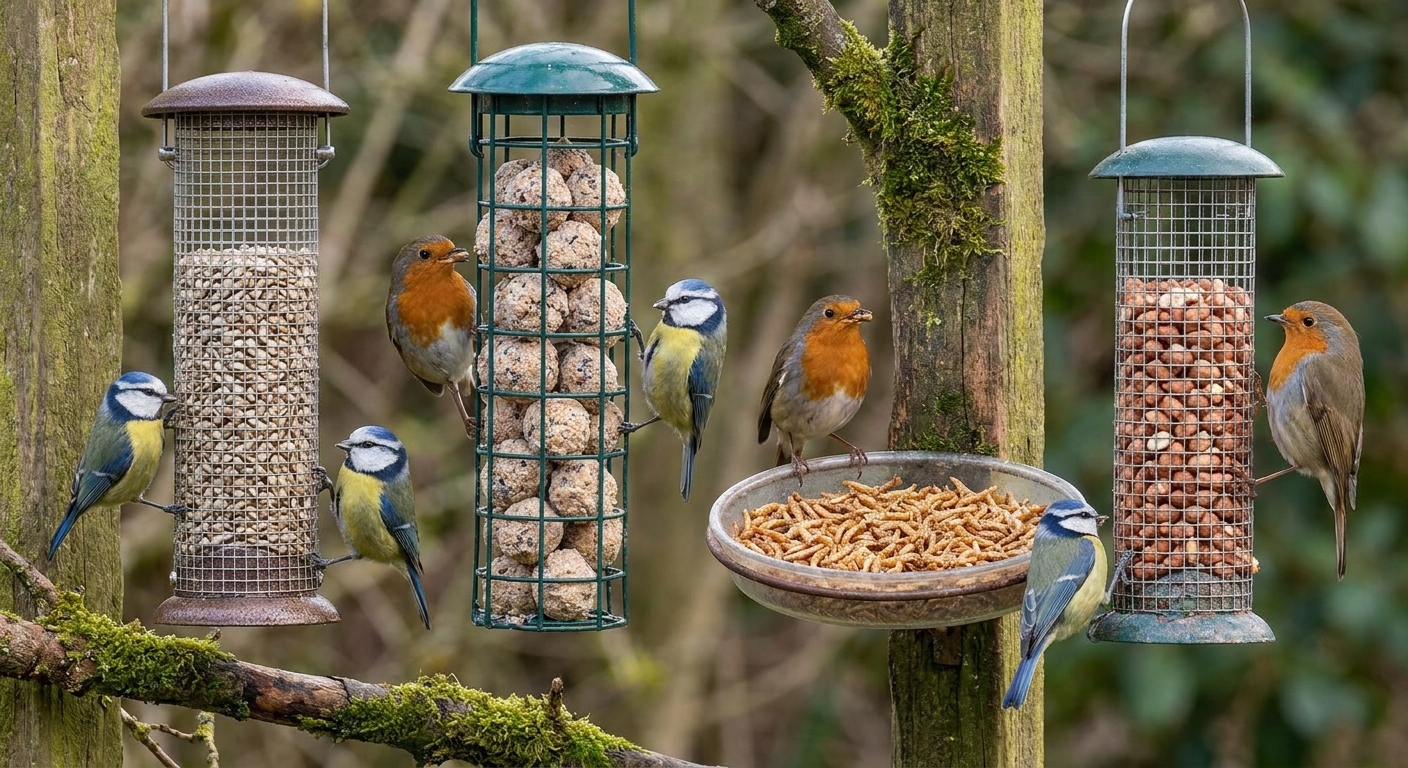
Once your feeder is in place, the next step is to provide the most nutritious foods to support birds through the winter. High-energy options are key: sunflower hearts, suet pellets, fat balls, and mealworms are all favourites among UK garden birds. Robins and blackbirds, for example, love mealworms and soft fruits, while blue tits and great tits are drawn to suet and peanuts. Always use unsalted, unroasted peanuts and avoid bread, which offers little nutritional value and can be harmful in large amounts.
To maximise your garden’s appeal, offer a variety of foods in different feeders or trays. This caters to the preferences of multiple species and reduces competition. Clean feeders regularly to prevent disease, and store food in a dry, rodent-proof container. If you’re interested in attracting less common visitors like goldfinches, consider adding nyjer seed feeders. Remember, consistency is crucial—once birds find a reliable food source, they’ll return daily, so try to keep feeders topped up throughout the winter months.
Step 3 – Provide Fresh Water and Shelter
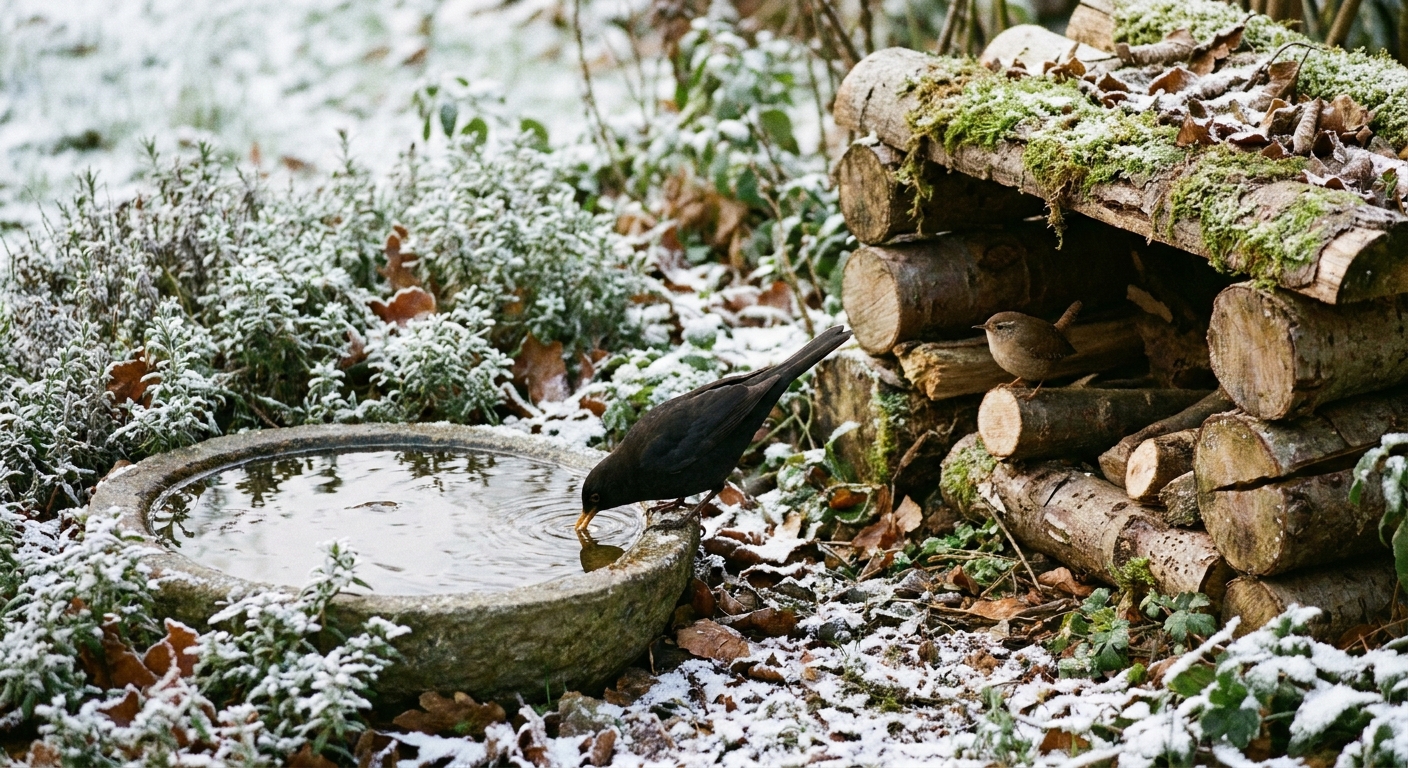
In winter, water can be even harder for birds to find than food, as ponds and puddles often freeze. Set out a shallow bird bath or dish and check it daily, breaking any ice that forms. If possible, use a bird bath heater or float a small ball on the surface to help prevent freezing. Place the water source near your feeders but not directly underneath, to avoid contamination from droppings or spilled food.
Shelter is equally important. Dense shrubs, hedges, or purpose-built bird boxes offer protection from the elements and predators. You can also create simple shelters using piles of logs or brushwood. These safe havens are especially valuable for small birds like wrens and long-tailed tits, which need to conserve energy during cold nights. By providing both water and shelter, you make your garden a true winter refuge for birds in need.
Common Problems and Fixes
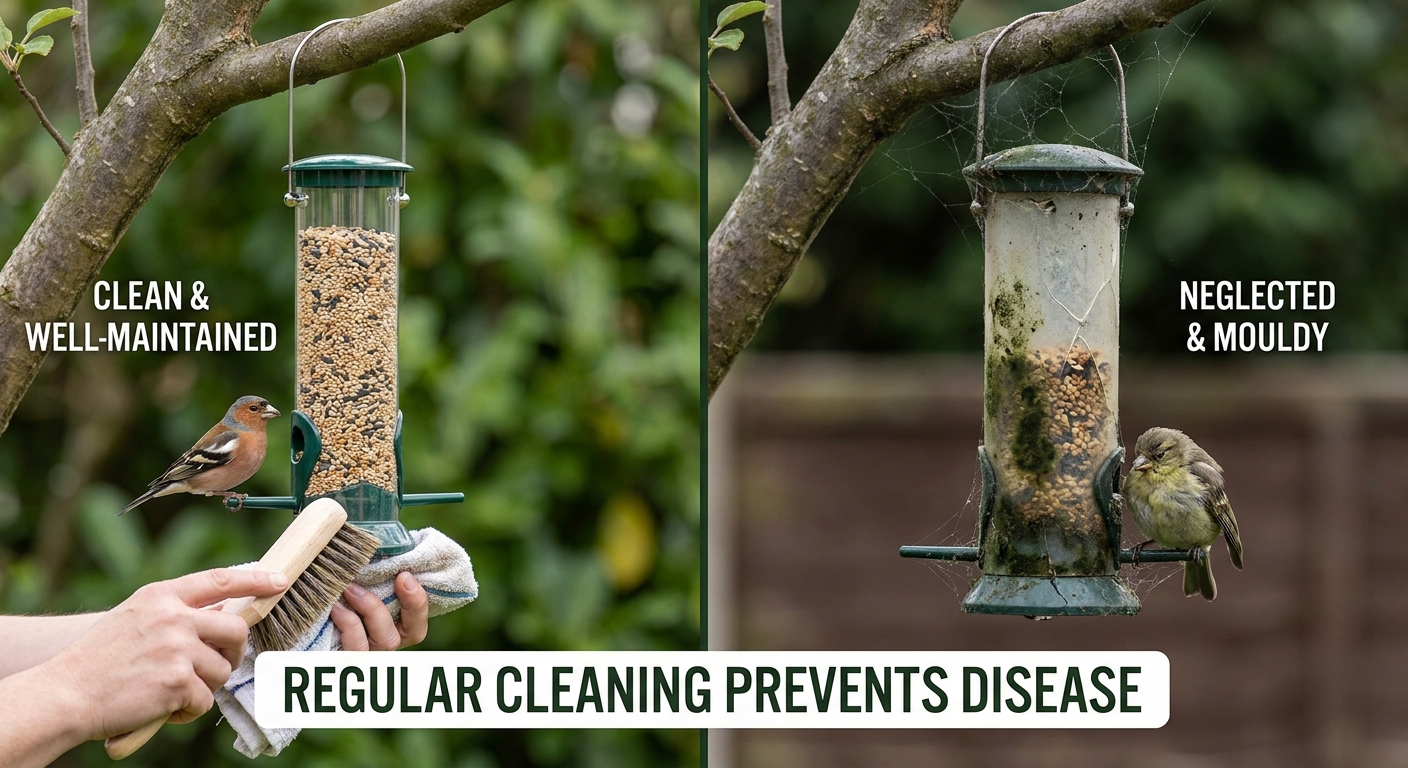
Even with the best intentions, you may encounter challenges when attracting birds in winter. One common issue is food going mouldy or freezing in damp weather. To prevent this, use weatherproof feeders and clear out old food regularly. If suet or fat balls become too hard in the cold, break them into smaller pieces or switch to softer suet pellets. Another frequent problem is unwanted visitors such as squirrels or pigeons dominating the feeders. Invest in squirrel-proof feeders or place baffles above and below to deter them, and use feeders with smaller perches to discourage larger birds.
Sometimes, birds may not visit your garden straight away. This can be due to a lack of cover, unsuitable food, or simply because it takes time for birds to discover new feeding spots. Be patient and keep your feeders well-stocked; adding more shrubs or moving feeders closer to natural cover can help. If water keeps freezing, try insulating your bird bath with bubble wrap or placing it in a sunny spot. Regular maintenance and observation will help you quickly spot and resolve any issues, ensuring your garden remains a welcoming place for birds all winter long.
Finally, disease can spread rapidly at busy feeders, especially in damp conditions. Clean feeders and water dishes with a mild disinfectant every week, and remove any uneaten food promptly. Watch for signs of sick birds, such as lethargy or fluffed-up feathers, and temporarily remove feeders if you notice an outbreak. By staying vigilant and proactive, you can keep your garden birds healthy and thriving throughout the coldest months.
Tips for Better Results
To take your winter bird feeding to the next level, consider installing a bird feeder with a camera. This not only provides hours of entertainment but also helps you monitor which species are visiting and how they interact. Adjust your feeding routine based on what you observe—if you notice robins favouring mealworms, for example, you can increase their supply. Try to feed birds at the same time each day, ideally in the morning and late afternoon, when they need energy most.
Another expert tip is to plant native shrubs and trees that offer natural food and shelter. Holly, hawthorn, and ivy provide berries and dense cover, supporting birds even when feeders are empty. Keep a bird identification guide handy to spot new visitors, and consider joining local birdwatching groups for advice and inspiration. With a little extra effort, your garden can become a vital winter sanctuary for a wide range of UK birds.
Frequently Asked Questions
What is the best food for birds in winter?
High-energy foods like sunflower hearts, suet pellets, mealworms, and unsalted peanuts are ideal for supporting birds during winter. These foods provide essential calories to help birds survive cold nights and harsh weather.
How can I stop bird water from freezing?
Check water sources daily and break any ice that forms. You can use a bird bath heater or float a small ball on the surface to help prevent freezing. Placing the bath in a sunny spot or insulating it with bubble wrap can also help.
Why are birds not coming to my feeder?
Birds may take time to discover new feeders, especially if there is little cover or the food is unsuitable. Ensure your feeder is in a sheltered spot, offer a variety of foods, and be patient—once birds find a reliable source, they’ll return regularly.
Is it safe to feed birds bread in winter?
Bread offers little nutritional value and can be harmful in large amounts. It’s better to provide high-energy foods like seeds, suet, and mealworms, which support birds’ health during the colder months.
How often should I clean my feeders in winter?
Clean feeders and water dishes at least once a week with a mild disinfectant to prevent the spread of disease. Remove any uneaten food promptly, especially in damp weather.
Attracting birds to your garden in winter is both rewarding and vital for their survival. By providing the right food, water, and shelter, you can transform your outdoor space into a safe haven for a variety of UK species. With a little preparation and ongoing care, you’ll enjoy the sights and sounds of garden birds all season long.