
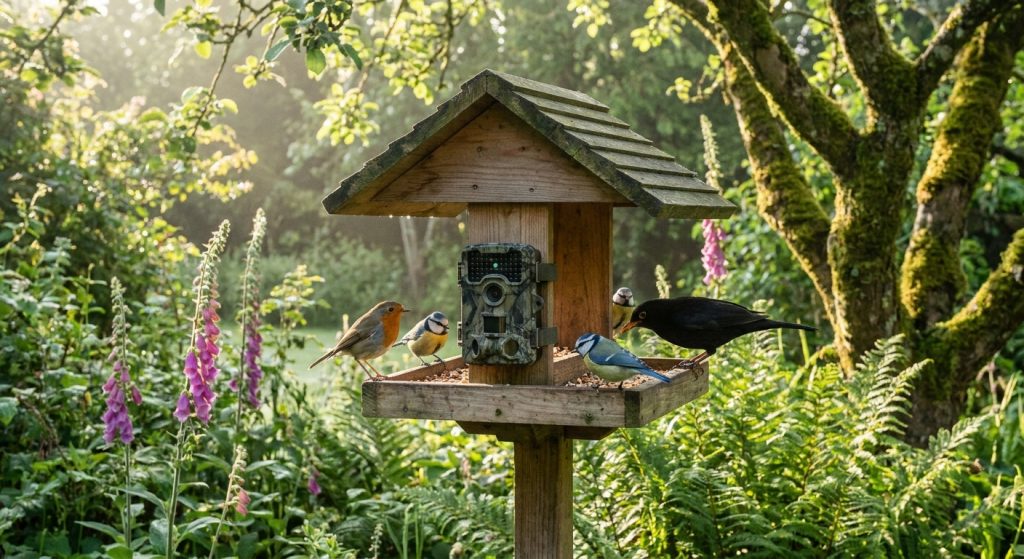
Spotting the subtle differences between male and female birds is a rewarding challenge for any garden birdwatcher, especially when using a camera feeder. With the right knowledge and a keen eye, you can identify the sex of common UK birds and deepen your appreciation for their fascinating behaviours. This guide will help you master the art of telling male and female birds apart on camera, using practical tips and real-world examples.
What Bird Sex Identification Is and Why It Matters
Bird sex identification is the process of distinguishing between male and female birds based on their physical characteristics, behaviours, and sometimes even their calls. For many garden bird species in the UK, these differences can be subtle, but with a camera feeder, you have the advantage of capturing clear, close-up images that reveal these details. Understanding how to tell male and female birds apart is not just a matter of curiosity—it’s a valuable skill for anyone interested in birdwatching, photography, or contributing to citizen science projects.
Knowing the sex of birds visiting your garden can enhance your enjoyment and understanding of their lives. For example, you might notice that male robins are more territorial, while female blue tits may appear more frequently during nesting season. This knowledge also helps you track breeding pairs, observe seasonal changes, and even contribute to local wildlife surveys. In the UK, where species like the great tit, goldfinch, and house sparrow are common, being able to identify males and females adds a new dimension to your birdwatching experience.
Key Benefits, Uses and Reasons People Choose Bird Sex Identification
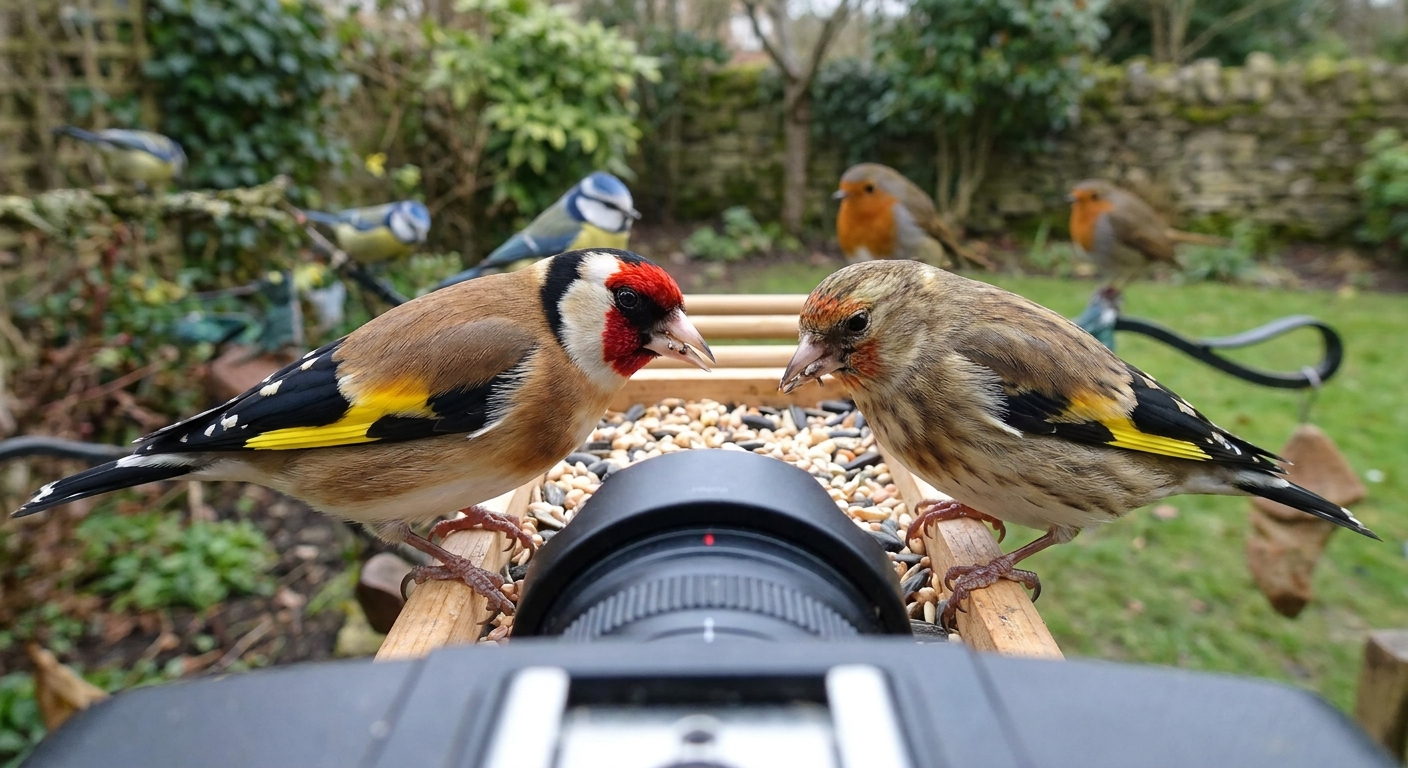
One of the main benefits of identifying male and female birds on camera is the ability to observe natural behaviours up close without disturbing the birds. For instance, you can watch as a male blackbird feeds his mate or as a pair of coal tits take turns at the feeder. This insight into their daily routines can be both educational and deeply satisfying, especially for families and children learning about wildlife together.
Another practical advantage is improving your bird photography and documentation skills. By knowing what to look for—such as the brighter plumage of a male goldfinch or the subtler markings of a female house sparrow—you can capture more informative and striking images. This is particularly useful if you enjoy sharing your sightings with local birdwatching groups or on social media, where accurate identification is valued.
Finally, understanding the differences between male and female birds can help you support their needs more effectively. For example, during breeding season, females may require more energy-rich foods, while males might be more visible as they defend territory. By tailoring your feeding and observation strategies, you can create a more welcoming environment for a diverse range of garden birds.
Important Things to Know Before You Start Identifying Birds on Camera
Before you begin identifying male and female birds on your camera feeder, it’s essential to understand that not all species display obvious differences. In some cases, such as with starlings or certain sparrows, males and females look remarkably similar, making visual identification challenging. Patience and repeated observation are key, as subtle cues like behaviour or slight variations in plumage may only become apparent over time.
Another important consideration is the quality and placement of your camera. A well-positioned bird feeder camera with good resolution and reliable motion detection will capture clearer images, making it easier to spot distinguishing features. Beginners often make the mistake of placing cameras too far from the feeder or in poor lighting, resulting in blurry or shadowed images that obscure important details.
Finally, remember that seasonal changes can affect how birds look. For example, male blackbirds may appear duller after moulting, and some species develop brighter plumage only during breeding season. Keeping a record of your observations throughout the year can help you recognise these patterns and avoid misidentifying your feathered visitors.
How to Choose the Right Approach for Bird Sex Identification
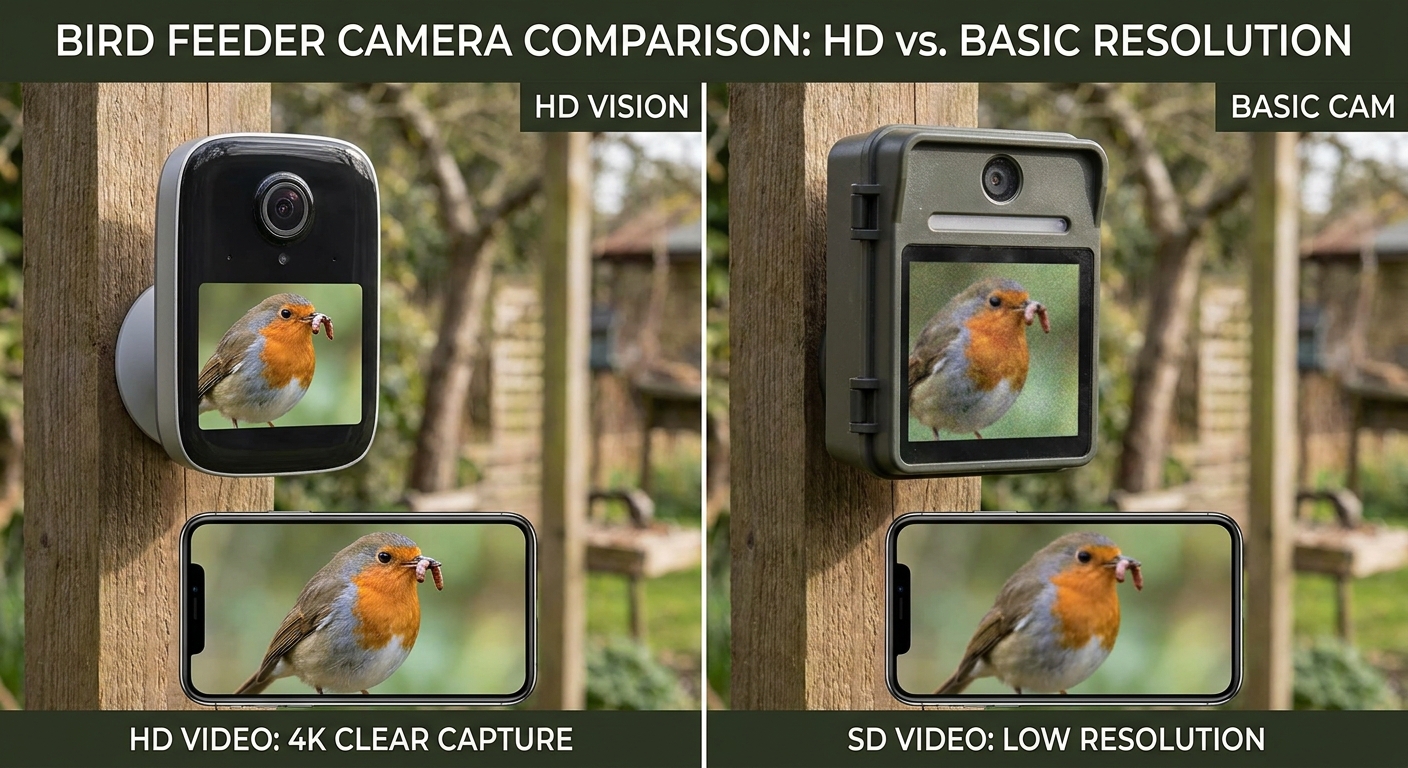
Choosing the right approach to identify male and female birds on camera starts with selecting a high-quality bird feeder camera. Look for models that offer HD video, night vision, and adjustable focus, as these features will help you capture the fine details needed for accurate identification. Some cameras even come with built-in AI or bird recognition apps, which can provide helpful hints, though human observation is still essential for subtle differences.
Next, consider the type of feeder and its placement. A feeder with a wide, open design allows for unobstructed views, making it easier to spot key features like plumage colour, markings, and size differences. Position your camera at an angle that captures both side and frontal views, as some differences—such as the red breast of a male robin or the paler cap of a female great tit—are best seen from specific perspectives.
Finally, compare your images with reputable field guides or online resources focused on UK garden birds. Many birdwatchers find it helpful to keep a reference chart nearby or use apps that highlight the distinguishing traits of common species. By combining technology with careful observation, you’ll quickly become adept at telling male and female birds apart in your own garden.
Common Mistakes and How to Avoid Them

One common mistake is relying solely on plumage colour to identify male and female birds. While this works for some species, such as the bright yellow of a male goldfinch compared to the duller female, it can be misleading for others where both sexes look alike or change appearance seasonally. To avoid this pitfall, pay attention to additional clues like behaviour, size, and vocalisations, and consult multiple sources before drawing conclusions.
Another frequent error is overlooking the impact of lighting and camera angle. Shadows, glare, or poor focus can distort colours and hide subtle markings, leading to misidentification. To fix this, regularly check your camera’s positioning and clean the lens to ensure clear, well-lit images. Experiment with different angles and review your footage at various times of day to capture the best possible views of your garden birds.
Frequently Asked Questions
Can I always tell male and female birds apart on camera?
Not always. Some species show clear differences, while others look very similar. Lighting, camera quality, and seasonal changes can also affect what you see. Patience and careful observation help improve accuracy.
What are the easiest UK garden birds to sex visually?
Robins, goldfinches, and blackbirds often show clear differences between males and females. For example, male blackbirds are jet black with orange beaks, while females are brown. However, some species like house sparrows require a closer look at markings.
Do bird cameras with AI help with sex identification?
Some modern bird cameras offer AI features that can suggest species and sometimes sex, but they are not always reliable for subtle differences. Human observation and reference to field guides remain important for accurate identification.
How can I improve my chances of capturing clear images for identification?
Place your camera close to the feeder, ensure good lighting, and keep the lens clean. Use feeders that allow unobstructed views and review footage at different times of day for the best results.
Learning to tell male and female birds apart on camera opens up a new world of discovery in your own garden. By combining careful observation, the right equipment, and a bit of patience, you’ll soon be able to spot the subtle differences that make each bird unique. Whether you’re tracking breeding pairs or simply enjoying the beauty of your local wildlife, these skills will enrich your birdwatching experience for years to come.