
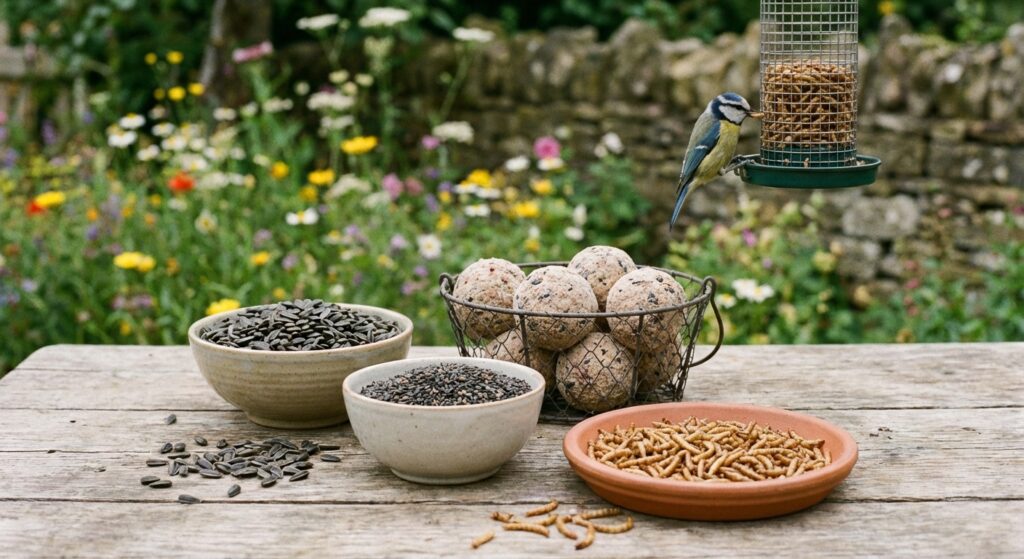
Feeding garden birds isn’t just a rewarding hobby – it’s a vital way to support local wildlife and create a thriving backyard ecosystem. Whether you’re new to bird feeding or looking to enhance your existing setup, choosing the right food can make all the difference in attracting a diverse range of species and ensuring their health and wellbeing throughout the year.
Understanding Bird Nutrition Needs
Different bird species have varying nutritional requirements that change throughout the seasons. Garden birds require a balanced diet rich in proteins, fats, and carbohydrates to maintain their high metabolic rates and energy needs. During breeding season, protein becomes especially crucial for nestling development, while winter months demand higher fat content to help birds maintain their body temperature.
Many garden birds naturally forage for seeds, insects, berries, and nuts. However, urban development and changing landscapes have reduced natural food sources, making supplementary feeding increasingly important for bird populations. Understanding these basic nutritional needs helps inform better feeding choices and supports bird health year-round.
The quality of bird food significantly impacts bird health and behavior. Low-quality mixes often contain fillers like wheat and dried rice that provide little nutritional value and may actually harm birds. Premium bird foods, while slightly more expensive, offer better nutrition and generate less waste as birds don’t need to sort through unwanted ingredients.
Best Food Choices for Garden Birds
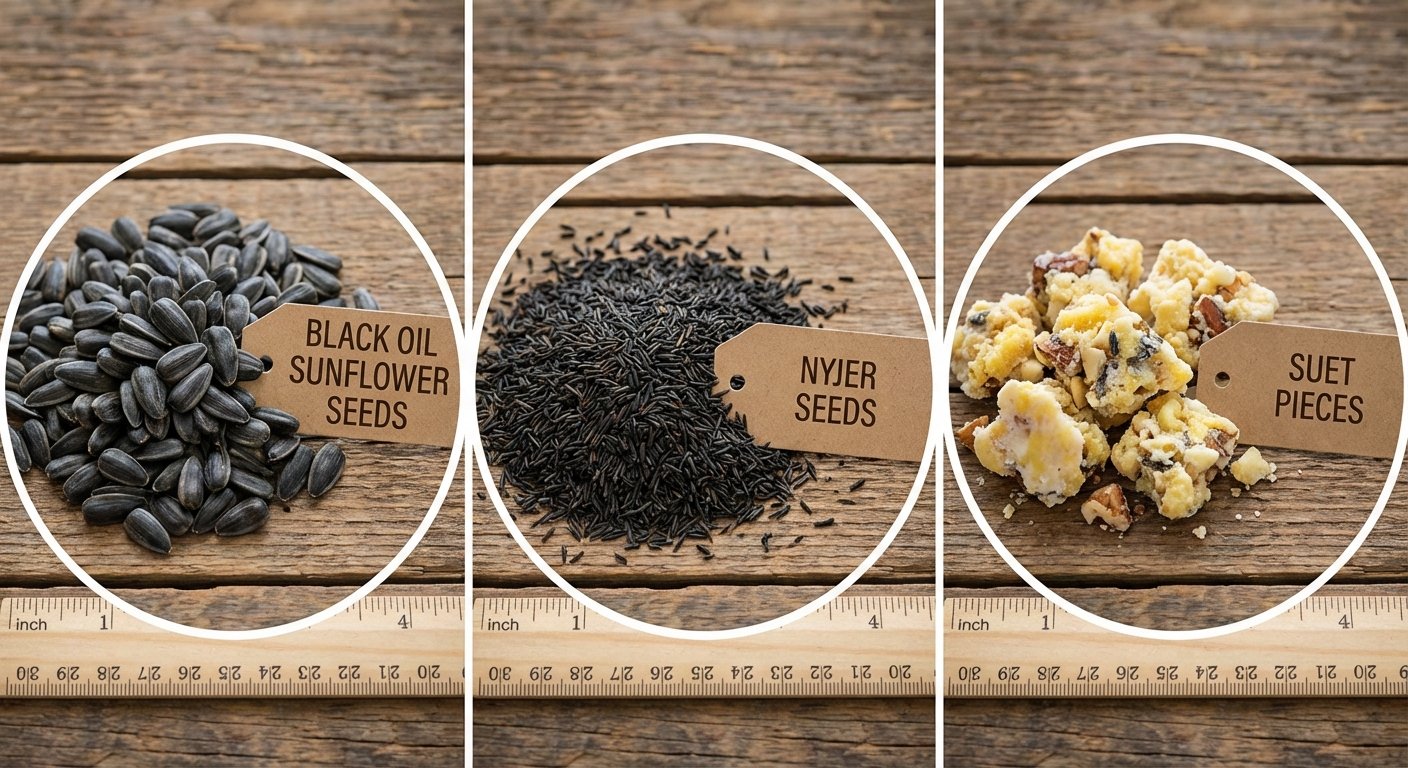
Black oil sunflower seeds stand out as one of the most versatile and nutritious options for garden birds. Their thin shells make them easier to crack open than striped sunflower seeds, and their high oil content provides essential energy. Nearly all seed-eating birds, from tiny finches to larger woodpeckers, will readily consume these seeds.
Nyjer seeds have become increasingly popular for attracting finches and siskins. These tiny, oil-rich seeds require special feeders but are worth the investment for the spectacular bird displays they can create. Suet products, especially during colder months, provide concentrated energy and attract a wide variety of species including woodpeckers, nuthatches, and tits.
Natural food sources should also be considered when planning your bird feeding strategy. Berry-producing shrubs, seed-bearing flowers, and native plants can provide sustainable food sources while creating a bird-friendly garden a more natural feeding environment. This approach not only supports birds but also enhances your garden’s biodiversity.
Mealworms, either live or dried, offer excellent protein sources particularly appreciated during breeding season. They’re especially attractive to robins, blackbirds, and blue tits. When offering mealworms, it’s important to provide them in appropriate quantities and ensure they’re fresh if using live ones.
Seasonal Feeding Strategies
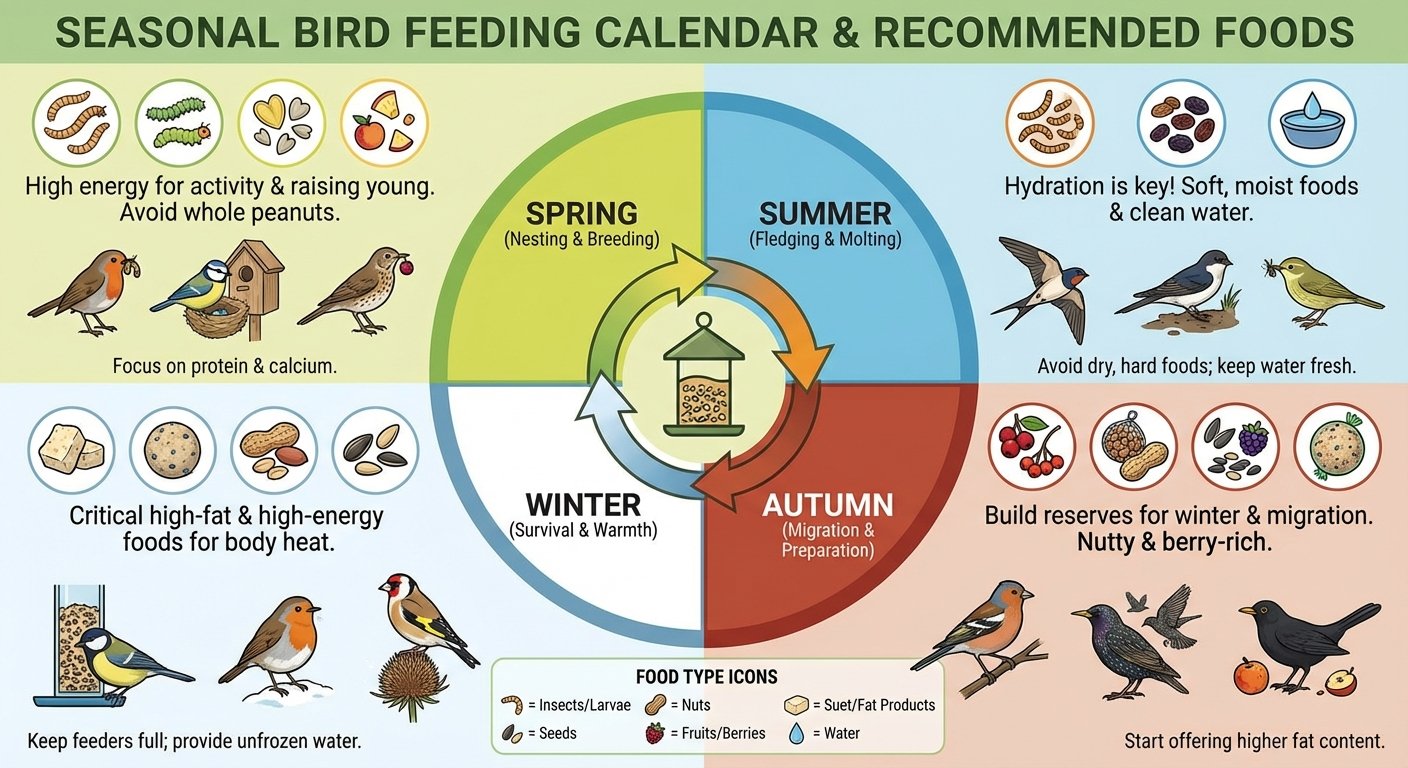
Bird feeding requirements vary significantly throughout the year, and adapting your feeding strategy to match these seasonal changes can greatly benefit your garden visitors. During spring and summer, the focus should be on protein-rich foods to support breeding birds and their growing chicks. This includes items like mealworms, insects, and high-protein seed mixes.
Autumn represents a crucial feeding period as birds prepare for winter bird care guide by building up fat reserves. During this time, high-energy foods become increasingly important. Sunflower hearts, peanuts, and suet products are excellent choices that help birds prepare for colder weather. Many birds will cache food during this period, so maintaining consistent feeding stations becomes particularly important.
Winter feeding is perhaps the most critical period for garden birds. Natural food sources become scarce, and birds require extra energy to maintain body temperature. High-fat foods like suet balls, peanuts, and sunflower seeds become essential. It’s also important to maintain regular feeding schedules during this time, as birds will come to rely on your feeders as a consistent food source.
Early spring can be another challenging period as natural food sources may still be limited while birds begin preparing for breeding season. Continuing to provide high-energy foods while gradually introducing more protein-rich options helps support birds through this transition period.
Proper Feeding Techniques and Safety
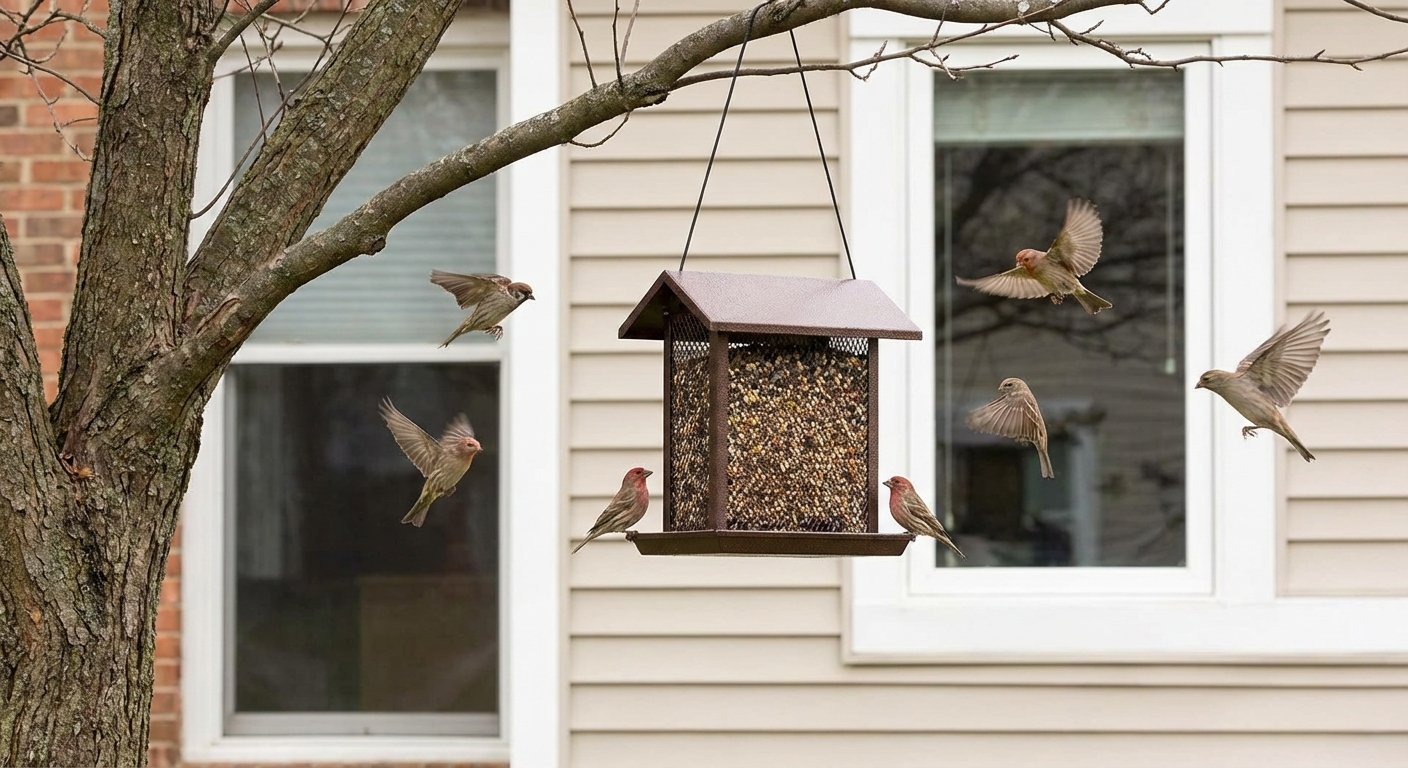
Proper feeding techniques are crucial for maintaining bird health and preventing disease transmission. Feeders should be cleaned regularly with a mild disinfectant solution, and old food should be removed promptly, especially during wet weather when it can quickly become moldy. Different feeder types suit different foods and bird species – using a variety of feeders at different heights can help reduce competition and attract more species.
Food placement plays a vital role in bird safety. Feeders should be positioned near natural cover like shrubs or trees, but not so close that predators can use the cover for ambush. A distance of about 2 meters from cover is often ideal, allowing birds to quickly retreat if threatened while maintaining a safe feeding zone. Multiple feeding stations spread throughout the garden can help reduce competition and prevent dominant species from monopolizing food sources.
Water provision is an often-overlooked aspect of bird feeding. Fresh, clean water for drinking and bathing should be available year-round, with special attention during freezing conditions. Bird baths should be shallow with gradual slopes and rough surfaces to provide secure footing. Regular cleaning of water sources is just as important as feeder maintenance for preventing disease spread.
best bird feeders for your garden
Common Feeding Mistakes to Avoid
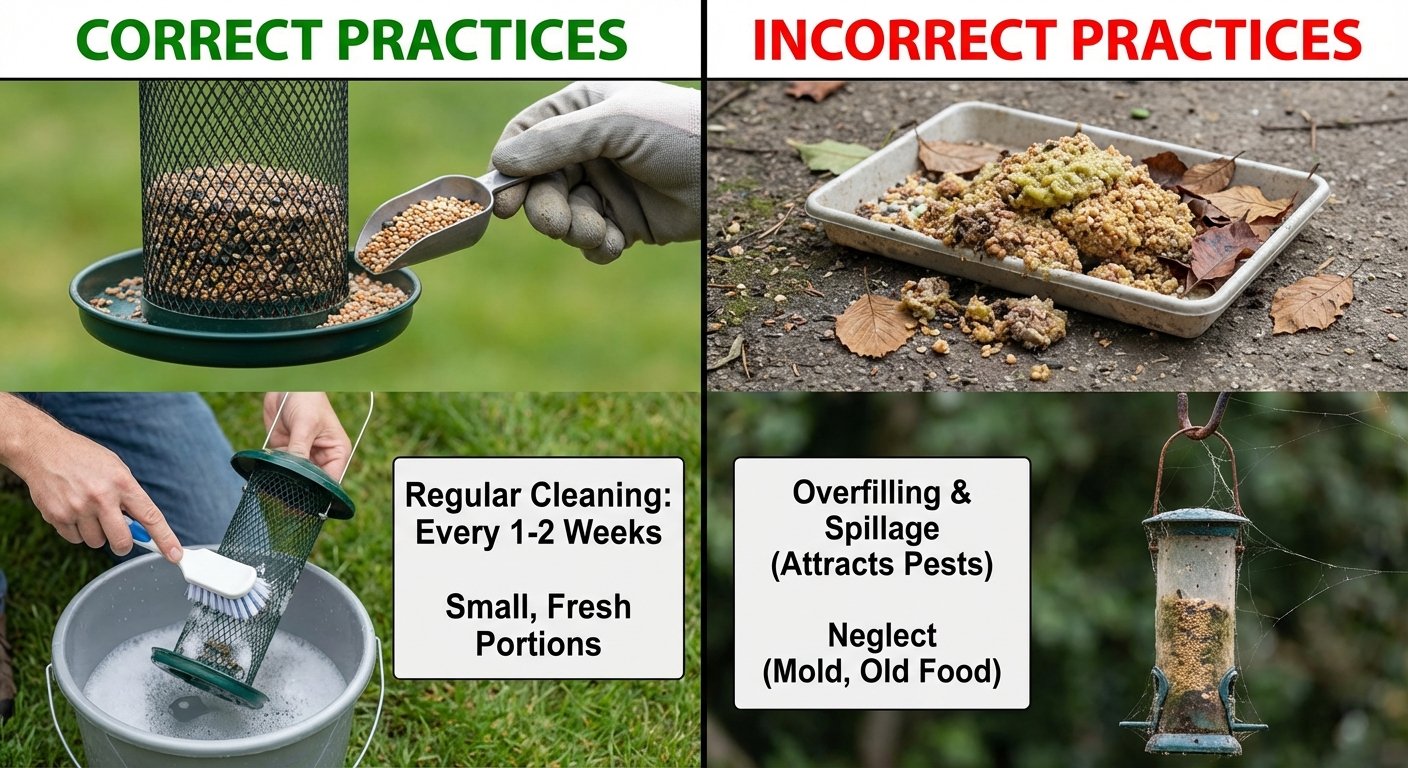
One of the most common mistakes in bird feeding is offering inappropriate foods. Bread, while commonly offered, provides little nutritional value and can be harmful if moldy. Similarly, salted or flavored human foods should never be provided to birds. These items can cause serious health issues and should be avoided entirely. Instead, stick to foods specifically designed for wild birds or natural alternatives like unsalted nuts and fresh fruits.
Inconsistent feeding represents another significant mistake. Birds come to rely on supplementary food sources, particularly during harsh weather conditions. Suddenly stopping feeding can leave birds vulnerable, especially during winter months when natural food sources are scarce. If you need to cease feeding, do so gradually to allow birds time to locate alternative food sources.
Overfeeding can create dependency and potentially lead to overcrowding, which increases disease transmission risks. It’s better to provide moderate amounts of food regularly than large quantities sporadically. This approach also helps prevent food waste and reduces the risk of attracting unwanted visitors like rodents.
Frequently Asked Questions
What is the best all-round food for garden birds?
Black oil sunflower seeds are considered the best all-round food for garden birds. They’re high in energy, suitable for most species, and have thin shells that are easy to crack.
Should I feed birds all year round?
Yes, feeding birds year-round is beneficial. While natural food may be more abundant in summer, supplementary feeding helps support birds through all seasons, particularly during breeding and cold weather.
What foods should never be fed to birds?
Never feed birds salted foods, chocolate, avocado, or moldy items. Bread should be avoided as it offers little nutritional value. Stick to appropriate bird food and fresh, natural alternatives.
Providing the right food for garden birds is a rewarding way to support local wildlife while creating a vibrant garden ecosystem. By understanding birds’ nutritional needs and following proper feeding techniques, you can make a significant positive impact on your local bird population.