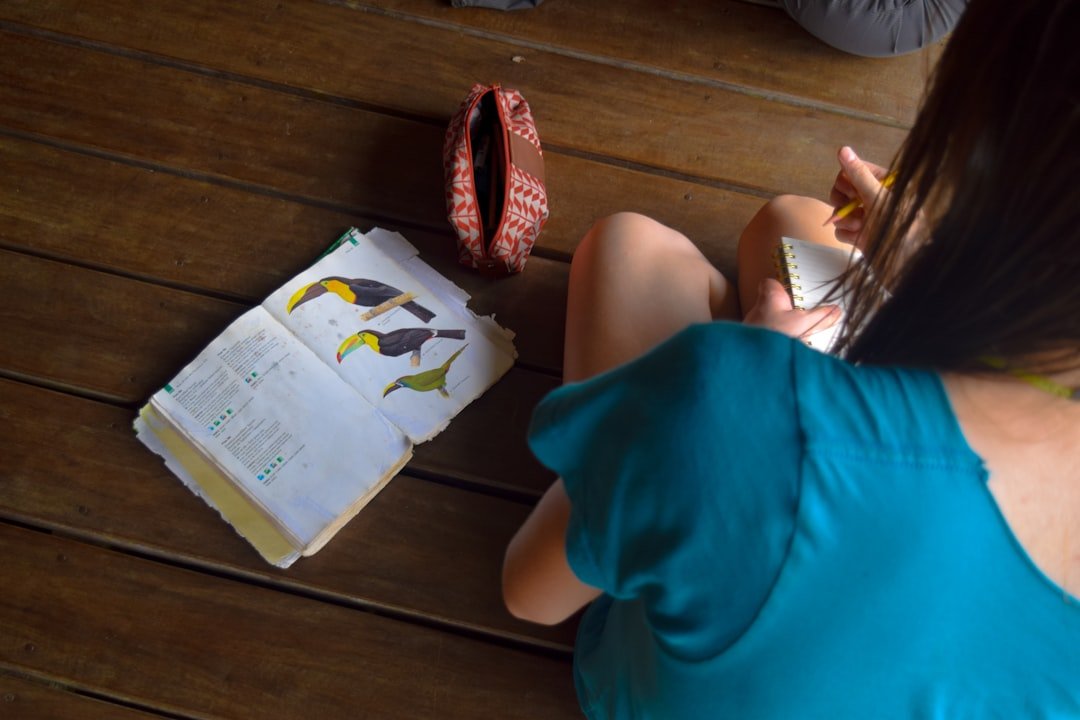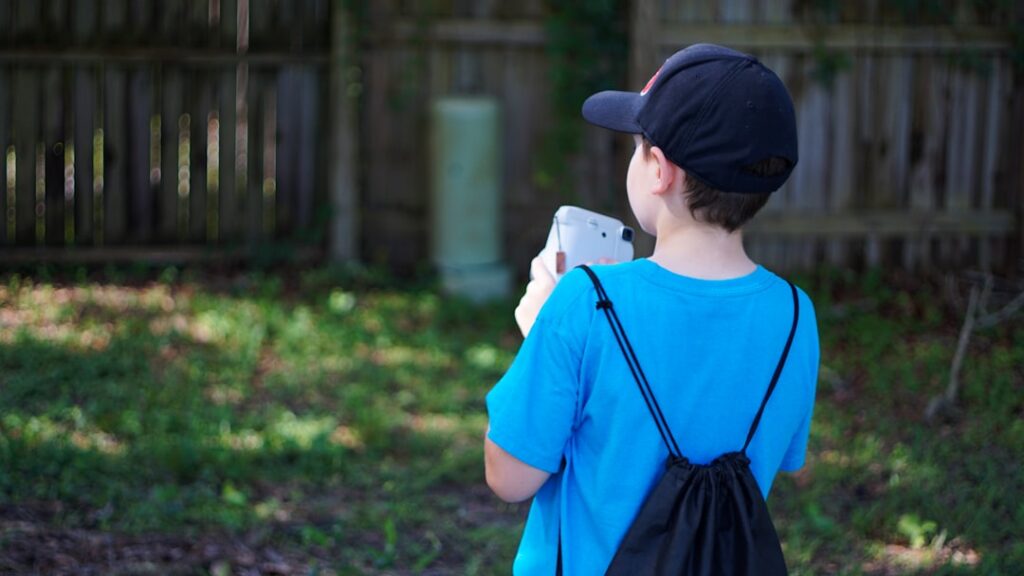
Introducing children to the wonders of nature has never been more engaging than with a bird feeder camera. This modern technology transforms your backyard into an interactive wildlife observatory, allowing young minds to discover and connect with nature in real-time. By combining traditional bird watching with digital technology, we can create an immersive learning experience that captivates children’s attention and nurtures their natural curiosity about the world around them.
Setting Educational Goals and Success Metrics
Before diving into your bird feeder camera adventure, it’s essential to establish clear objectives that will guide your children’s nature education journey. The primary goal is to foster a lasting connection between children and wildlife education guidelines, measured through their engagement and learning outcomes. Success metrics should include both quantitative elements, such as the number of bird species identified, and qualitative aspects, like the depth of questions children ask about their observations.
Track your children’s progress by creating a digital nature journal where they can record daily bird sightings, interesting behaviors, and seasonal patterns. This documentation serves multiple purposes: it develops observation skills, improves scientific thinking, and provides a tangible way to measure their growing knowledge. Consider setting achievable milestones, such as identifying five new bird species each month or spending at least 15 minutes daily observing wildlife through the camera feed.
Incorporate STEM learning objectives by encouraging children to analyze feeding patterns, calculate visit frequencies, and understand the relationship between weather conditions and bird activity. These educational components can be tracked through simple charts and graphs, making the learning process both fun and measurable. Remember to celebrate small victories, like the first time they correctly identify a new species or notice interesting behavioral patterns.
Preparing Your Interactive Nature Station
Creating an effective bird watching station requires careful planning and the right equipment selection. Choose a high-quality bird feeder camera that offers clear resolution, night vision capabilities, and weather resistance. Position the feeder in a location that provides both optimal viewing angles for the camera and a safe environment for birds, typically 5-7 feet off the ground and away from potential predator hiding spots.
Set up a dedicated viewing area inside your home where children can comfortably observe the live feed. This might include a small desk or table near a window, equipped with field guides, notebooks, and a tablet or monitor displaying the camera feed. Consider creating a bird identification chart with common local species to help children develop their recognition skills. The setup should be easily accessible and at child-height to encourage independent exploration.
Prepare a variety of bird feeds to attract different species, understanding that diversity creates more learning opportunities. Stock up on basic supplies like sunflower seeds, nyjer seeds, and suet, while keeping a log of which foods attract specific birds. This preparation phase is also an excellent time to involve children in research about local bird species and their preferred habitats, building anticipation for the actual wildlife observations.
best bird feeder cameras for families
Implementing Your Nature Education Program
Begin your program by establishing a daily routine that incorporates regular check-ins with the bird identification guide for beginners feeder camera. Start with morning observations when bird activity is typically highest, encouraging children to notice patterns in feeding times and behaviors. Create a simple checklist for children to follow, including tasks like checking feed levels, recording new visitors, and noting interesting behaviors.
Integrate technology meaningfully by teaching children how to capture screenshots or short videos of interesting moments. This documentation can be used to create a digital wildlife portfolio, which helps maintain long-term engagement and provides material for future projects or presentations. Consider setting up automated notifications for when new birds visit, turning each alert into an exciting learning opportunity.
Develop interactive activities that complement the camera observations. This might include drawing sessions where children sketch the birds they see, creative writing exercises about their observations, or simple research projects about their favorite species. Organize weekly ‘wildlife meetings’ where family members can share interesting sightings and discuss new discoveries, fostering a collaborative learning environment.
Implement a reward system that recognizes children’s dedication to nature observation. This could include earning ‘wildlife explorer badges’ for achieving specific milestones, such as identifying a certain number of species or maintaining consistent observation records. The key is to make the learning process feel like an adventure rather than a chore.
Create connections with the broader nature-watching community by joining online forums or local bird watching groups. This provides opportunities for children to share their observations, learn from others, and participate in citizen science projects that use their data collection efforts for real scientific research.
Enhancing the Learning Experience
Regularly assess the effectiveness of your setup by monitoring both the technical aspects of the camera system and the educational impact on children. Adjust camera angles, feeder positions, and feed types based on observation patterns and bird activity levels. Pay attention to which features of the system generate the most excitement and engagement from children, and expand upon these elements.
Develop seasonal bird feeding tips themes and special projects that maintain interest throughout the year. For example, track migration patterns in spring and fall, observe nesting behaviors in summer, or study winter feeding habits. Create themed activities that align with these natural cycles, helping children understand the broader context of wildlife behavior and environmental changes.
Incorporate feedback from children to refine the learning experience. If they show particular interest in specific birds or behaviors, develop focused activities around these interests. Use their questions and observations to guide the evolution of your nature education program, ensuring it remains relevant and engaging. Consider implementing a suggestion box where children can contribute ideas for new activities or investigations.
Success Story: The Thompson Family’s Backyard Discovery
The Thompson family installed a bird feeder camera system in their suburban garden, transforming their children’s relationship with nature. Within three months, their eight-year-old daughter had independently identified 15 different bird species and developed a particular interest in bird behavior patterns. The family reported a significant increase in their children’s outdoor activity and a newfound enthusiasm for science-related subjects at school.
Before the camera installation, the children spent an average of 30 minutes per day engaged in nature-related activities. After implementation, this increased to over two hours daily, with much of this time spent actively learning and documenting their observations. The children initiated their own research projects, created detailed bird journals, and even started a nature club with neighborhood friends.
The most significant impact was observed in their youngest child, who previously showed little interest in wildlife. Through the engaging technology interface, he developed a deep fascination with bird behaviors and began asking sophisticated questions about ecosystem relationships. Their success demonstrates how combining technology with nature observation can create powerful educational opportunities for children of various ages and interests.
Frequently Asked Questions
What age is appropriate to start using a bird feeder camera with children?
Children as young as 4-5 years old can begin engaging with bird feeder cameras, though the complexity of activities should be adjusted for age. Younger children might focus on simple observation and identification, while older children can engage in more detailed documentation and research.
How can I maintain children’s interest in the bird feeder camera long-term?
Keep interest high by varying activities, setting achievable goals, and connecting observations to other subjects like art, writing, and science. Regular challenges, rewards, and sharing discoveries with friends or family can help maintain enthusiasm.
What features should I look for in a bird feeder camera for children?
Look for cameras with high resolution, easy-to-use interfaces, motion detection, night vision, and weather resistance. The ability to take photos or videos, receive notifications, and view the feed on multiple devices is also beneficial for engaging children.
A bird feeder camera serves as a powerful gateway to nature education, combining children’s natural curiosity with modern technology to create meaningful learning experiences. By following this structured approach to implementation and maintaining consistent engagement, you can help nurture a lasting connection between children and the natural world.