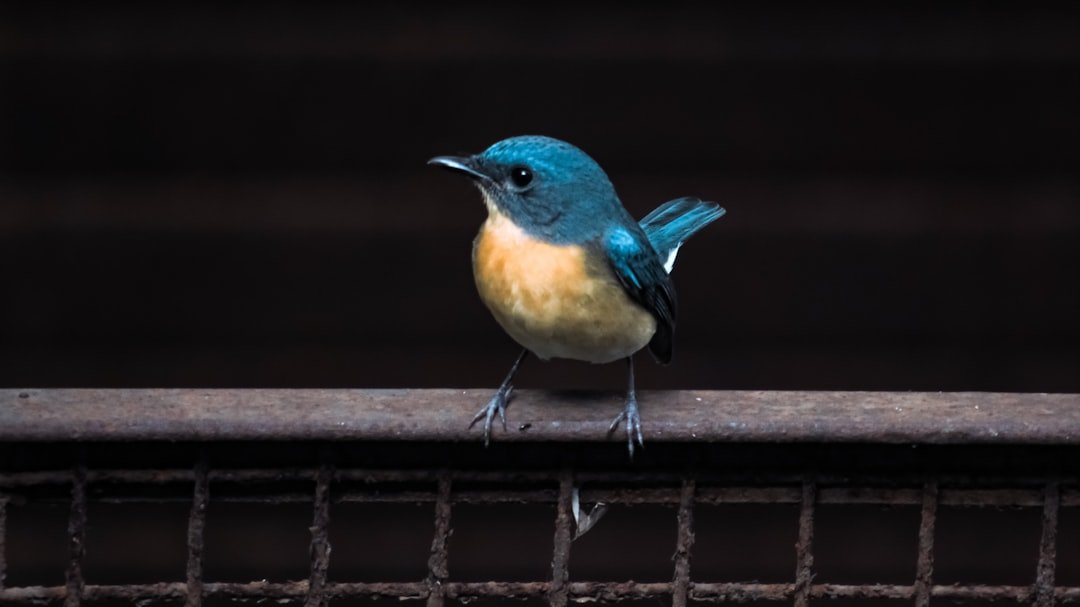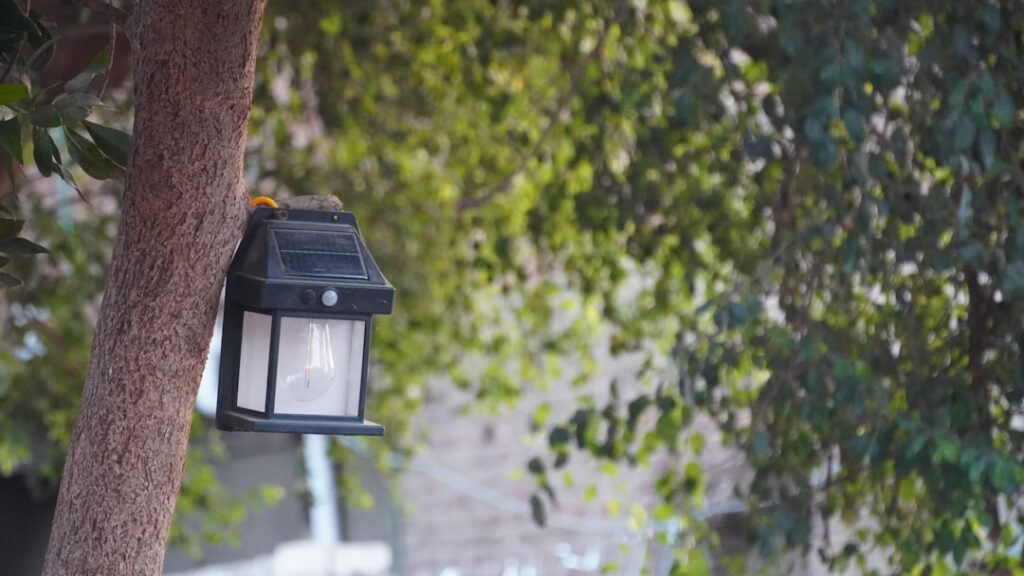
The evolution of bird watching has taken an exciting turn with solar-powered bird feeder cameras becoming increasingly popular among enthusiasts. These innovative devices promise to transform your garden into a live nature documentary, capturing every delightful moment of your feathered visitors while running on clean, sustainable energy. But with prices ranging from £100 to over £300, the question remains: are they truly worth the investment?
Setting Goals for Your Bird Feeder Camera System
Before investing in a solar-powered bird feeder camera, it’s essential to define clear objectives for your bird watching journey. Many enthusiasts begin with simple goals like identifying different species visiting their garden, but the potential extends far beyond basic recognition. A well-planned camera system can help track feeding patterns, monitor bird populations, and contribute to citizen science projects.
Success metrics for your solar bird feeder camera should align with both technical performance and bird watching objectives. Key performance indicators include battery life sustainability, image quality in various lighting conditions, and the camera’s ability to capture birds consistently. For the bird watching aspect, consider tracking the number of different species identified, frequency of visits, and seasonal patterns in bird behavior.
The most successful setups typically achieve 8-12 hours of continuous operation on solar power alone, capture at least 85% of bird visits, and maintain high image quality even in challenging weather conditions. Setting realistic expectations helps evaluate whether the investment aligns with your bird watching ambitions and technical requirements.
Essential Research and Preparation Steps
Thorough research before purchasing a solar-powered bird feeder camera involves understanding both technical specifications and environmental factors. Key considerations include your garden’s solar exposure, local bird species’ habits, and the camera’s mounting options. Most successful installations require at least 4-6 hours of direct sunlight daily for optimal solar panel performance.
Garden assessment plays a crucial role in preparation. Evaluate potential mounting locations considering factors like sun exposure, protection from extreme weather, and optimal viewing angles for bird activity. The ideal setup typically positions the feeder 5-7 feet off the ground, with clear sightlines and minimal obstruction from foliage.
Common installation blockers include insufficient sunlight exposure, interference from nearby structures, and poor WiFi connectivity for smart features. Address these potential issues during the planning phase by conducting a thorough site survey and testing WiFi strength at the intended location. Consider seasonal changes in sunlight patterns and foliage coverage that might affect the solar panel’s efficiency.
best bird feeders for small gardens
Step-by-Step Implementation Guide
Successful implementation begins with choosing the right solar-powered camera system for your specific needs. Premium models offer features like AI bird recognition, high-resolution imaging, and advanced solar charging capabilities. Mid-range options typically provide good basic functionality with reliable solar charging, while budget models might require more frequent manual intervention.
Installation requires careful attention to both the solar panel and camera positioning. Mount the solar panel facing south (in the Northern Hemisphere) at a 30-45 degree angle for optimal sun exposure. The camera should be positioned to capture birds clearly without creating shadows that might interfere with image quality. Most systems benefit from a brief calibration period to adjust motion sensitivity and notification settings.
Initial setup typically involves connecting to your home WiFi network, installing any required apps, and configuring basic settings. Modern systems offer features like custom notification preferences, time-lapse recording, and species identification. Take time to familiarize yourself with these features to maximize your system’s potential.
Regular maintenance ensures optimal performance throughout the year. Clean the solar panel monthly to maintain charging efficiency, check the feeder mechanism for smooth operation, and update software when available. Seasonal adjustments might be necessary to account for changing sunlight patterns and bird activity levels.
Data management becomes important as your system captures images and videos. Establish a routine for reviewing and organizing captured content, backing up important observations, and sharing interesting findings with the bird watching community. Many systems offer cloud storage options, but consider local backup solutions for your most valuable recordings.
garden wildlife photography tips
Optimizing Performance and Results
Performance optimization involves regular monitoring of key metrics including battery performance, image capture success rate, and bird visit frequency. Track solar charging efficiency across different weather conditions and seasons to identify patterns that might require adjustment. Most users find that fine-tuning motion sensitivity and camera angles significantly improves capture success rates.
Experiment with different types of bird feed and feeder configurations to attract a wider variety of species. Document which combinations prove most successful for your location and target species. Advanced users often implement multiple feeding stations with varying heights and styles to accommodate different bird preferences.
System improvements might include adding weather protection accessories, upgrading to higher capacity solar panels, or incorporating additional cameras for comprehensive coverage. Regular software updates often bring new features and improved performance, making it important to maintain current firmware versions.
Real-World Success Story
A notable case study from a suburban garden in the Midlands demonstrates the transformative impact of solar-powered bird feeder cameras. Before installation, the garden owner recorded occasional sightings of common species. After implementing a solar-powered camera system, they documented over 25 different species within six months, including several rare visitors.
The system’s solar reliability proved exceptional, maintaining continuous operation through various weather conditions. Image quality remained consistent, capturing clear footage even during early morning and dusk feeding times. The user reported particular success with the system’s motion detection, which accurately captured 95% of bird visits without false triggers.
As one user testimonial states: ‘The solar-powered camera transformed my casual bird watching into a fascinating documentary of garden wildlife. The convenience of solar power means I never miss important moments, and the image quality helps me identify species I never knew visited my garden.’
Frequently Asked Questions
How long do solar-powered bird feeder cameras last?
With proper maintenance, solar-powered bird feeder cameras typically last 3-5 years. The solar panels maintain efficiency for 10+ years, while camera components may need occasional updates or replacement depending on usage and environmental conditions.
Do solar bird feeder cameras work in winter?
Yes, solar bird feeder cameras work in winter, though they may require more strategic positioning to maximize limited sunlight. Many models include backup battery systems for periods of reduced solar charging.
Are subscription fees required for solar bird feeder cameras?
While basic functionality works without subscriptions, some advanced features like AI bird identification or extended cloud storage may require monthly subscriptions. Many models offer free basic plans with optional premium features.
Solar-powered bird feeder cameras represent a valuable investment for dedicated bird watchers, offering convenience, reliability, and unprecedented insights into garden wildlife. While the initial cost may seem significant, the combination of sustainable operation, high-quality documentation, and educational value makes them worthwhile for most enthusiasts.