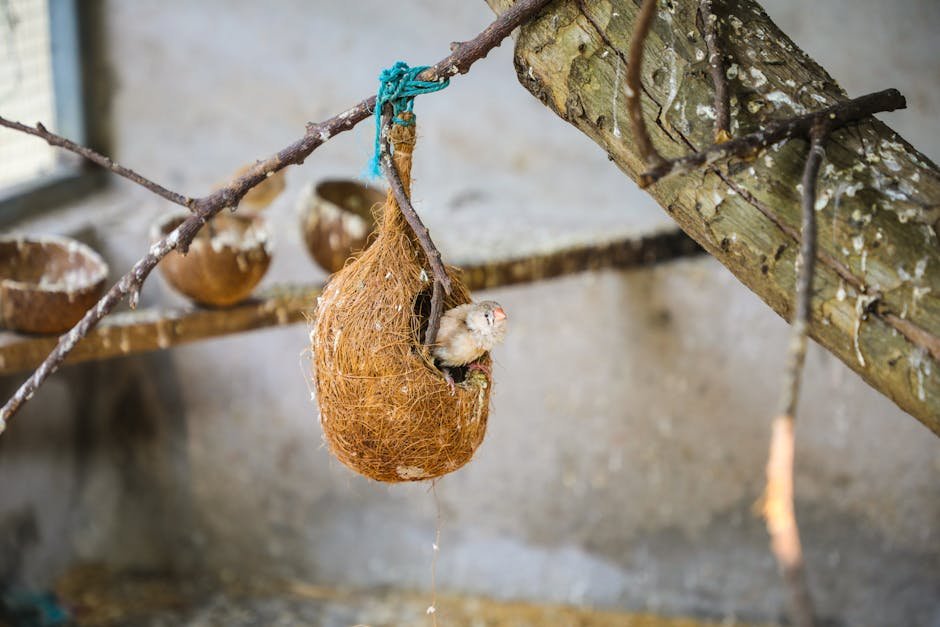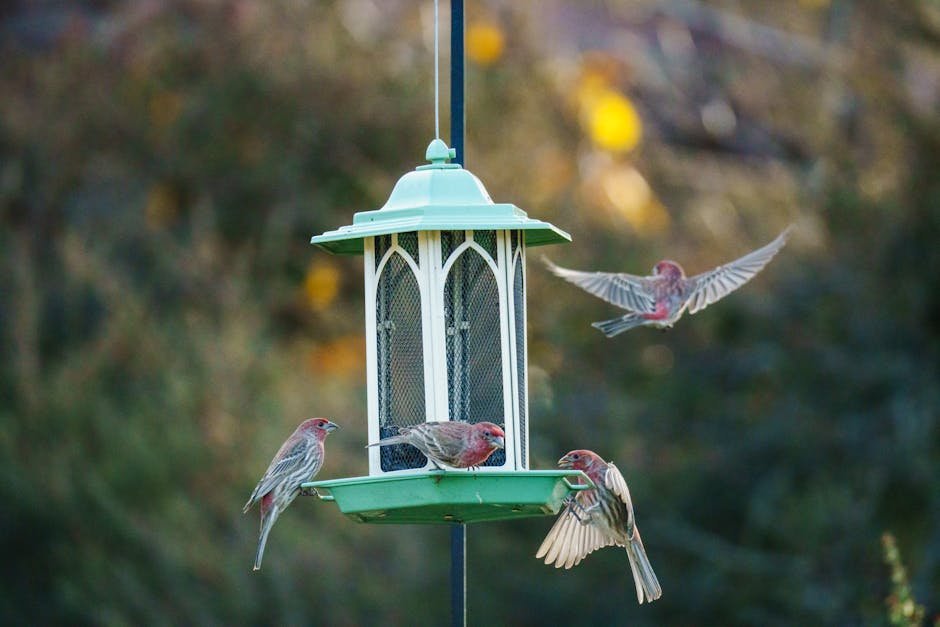
Spring brings an extraordinary opportunity for bird enthusiasts as gardens come alive with fledglings taking their first adventures into the world. With a well-positioned bird feeder camera, you can capture these precious moments of new life and parental care in stunning detail. This comprehensive guide will help you prepare, position, and optimize your setup for capturing unforgettable footage of spring fledglings.
Setting Up for Success: Goals and Equipment
Successfully capturing fledgling activity requires clear objectives and the right equipment configuration. Your primary goal should be documenting natural behaviors without disturbing the birds, while collecting high-quality footage that can be shared or studied. The key metrics for success include the number of different species captured, the quality of behavioral interactions recorded, and the clarity of your footage.
Modern bird feeder cameras offer impressive capabilities, including motion detection, night vision, and bird species identification. When selecting your equipment, prioritize cameras with high resolution (at least 1080p), weather resistance, and reliable WiFi connectivity. The camera’s field of view should be wide enough to capture both the feeder and surrounding perching areas where parent birds often land before approaching with food.
Consider your storage and power requirements carefully. Spring fledgling season can generate hours of footage daily, so ensure your system can handle continuous recording or has smart motion detection to capture only significant events. Solar-powered options can provide consistent performance without the need for frequent battery changes, while systems with cloud storage capabilities allow you to archive precious moments without managing local storage.
Preparation and Optimal Timing
Timing is crucial when it comes to capturing fledgling activity. Most garden bird feeding guide birds begin nesting in early spring, with fledglings appearing from late spring through early summer. Research the common species in your area and their typical breeding schedules to anticipate peak activity periods. Different species fledge at different times, creating opportunities for varied footage throughout the season.
Prepare your garden environment well before the fledgling season begins. Position your feeder camera in a location that provides clear sightlines while offering natural cover nearby. Young birds need safe spaces to retreat, so maintain some dense shrubbery or small trees within view of your camera. Consider creating a diverse feeding station with multiple food types to attract various species.
Weather protection is essential for both your equipment and the birds. Install weather shields or covers that protect the feeding area from direct rain while maintaining good visibility for your camera. Position additional perches near the feeder to create natural staging areas where parent birds can land before feeding their young. This setup increases your chances of capturing feeding interactions.
Capturing Perfect Fledgling Moments
The key to capturing compelling fledgling footage lies in understanding bird behavior and optimizing your camera settings accordingly. Parent birds typically feed their young every 15-30 minutes during daylight hours, with peak activity occurring in early morning and late afternoon. Configure your camera’s motion detection sensitivity to trigger recording when birds approach, while avoiding false activations from wind-blown vegetation.
Position your camera to capture the best angle of the feeding station while considering lighting conditions throughout the day. Morning and evening golden hours provide the most flattering natural light for wildlife photography. If your camera has adjustable exposure settings, program them to adapt to changing light conditions automatically.
Pay special attention to audio recording capabilities if your camera supports them. The calls between parent birds and fledglings can add significant value to your footage. Many species have specific begging calls that young birds use to solicit feeding, and capturing these vocalizations enhances the documentary value of your recordings.
Create zones of interest within your camera’s field of view by strategically placing different types of food and perches. This approach helps you document various feeding behaviors and interactions. Consider using multiple camera angles if possible, as fledglings often approach feeders from different directions than adult birds.
Monitor your footage regularly to identify patterns in fledgling behavior and adjust your setup accordingly. Look for signs of successful feeding interactions and any potential issues that might be deterring birds from using your feeding station effectively.
Optimizing Your Setup and Footage
Regular review and adjustment of your setup ensures optimal documentation of fledgling activity. Track which camera angles and feeder positions yield the best results, and don’t hesitate to make minor adjustments based on observed bird behavior. Pay attention to factors like shadow patterns, wind direction, and any potential disturbances that might affect bird activity.
Implement a systematic approach to organizing and reviewing your footage. Tag videos featuring different species and behaviors, making it easier to create compelling compilations or study specific interactions. Consider sharing your findings with local bird watching groups or contributing to citizen science projects that track fledgling success rates.
Maintain your equipment regularly to ensure consistent performance throughout the breeding season. Clean camera lenses, check weather seals, and verify that all power and connectivity systems are functioning properly. Regular maintenance helps prevent missing crucial moments due to technical issues.
Success Story: A Season of Discovery
One particularly successful setup in a suburban garden documented the complete fledging process of a family of blue tits, from the parents’ first feeding visits to the young birds’ eventual independence. The camera captured over 200 feeding visits in a single day, providing valuable insights into parental care patterns and fledgling development. The footage showed how the young birds gradually developed their feeding skills, transitioning from complete dependence on their parents to independent foraging.
The key to this success was careful preparation and positioning of the feeder camera. By placing the feeding station near natural cover but within clear view of the camera, the setup provided both security for the birds and excellent viewing opportunities. The resulting footage not only delighted the garden owner but also contributed valuable data to local bird conservation efforts.
Through careful documentation, the observer noted that fledgling activity at the feeder peaked between 6-8 AM and 4-6 PM, with parent birds making an average of 15 feeding visits per hour during these peak times. This information helped other enthusiasts optimize their own observation schedules and camera settings.
Frequently Asked Questions
When is the best time to set up a bird feeder camera for fledglings?
Install your camera system at least 2-3 weeks before the expected fledging period in your area, typically in early spring. This allows birds to become accustomed to the setup and ensures you’re ready when activity begins.
How can I ensure my camera doesn’t disturb the birds?
Position the camera at least 2-3 meters from the feeding station, use models with infrared night vision instead of visible lights, and ensure any WiFi signals or motion detection lights are subtle or disabled.
What are the best camera settings for capturing fledgling activity?
Use a high frame rate (at least 30fps), enable motion detection with a medium sensitivity setting, and ensure your camera has sufficient storage or cloud connectivity for extended recording periods.
Capturing spring fledglings with your bird feeder camera offers a unique window into one of nature’s most fascinating processes. With proper preparation, timing, and setup, you can document precious moments of new life while contributing to our understanding of local bird populations. Remember that patience and careful observation are key to success in this rewarding endeavor.