
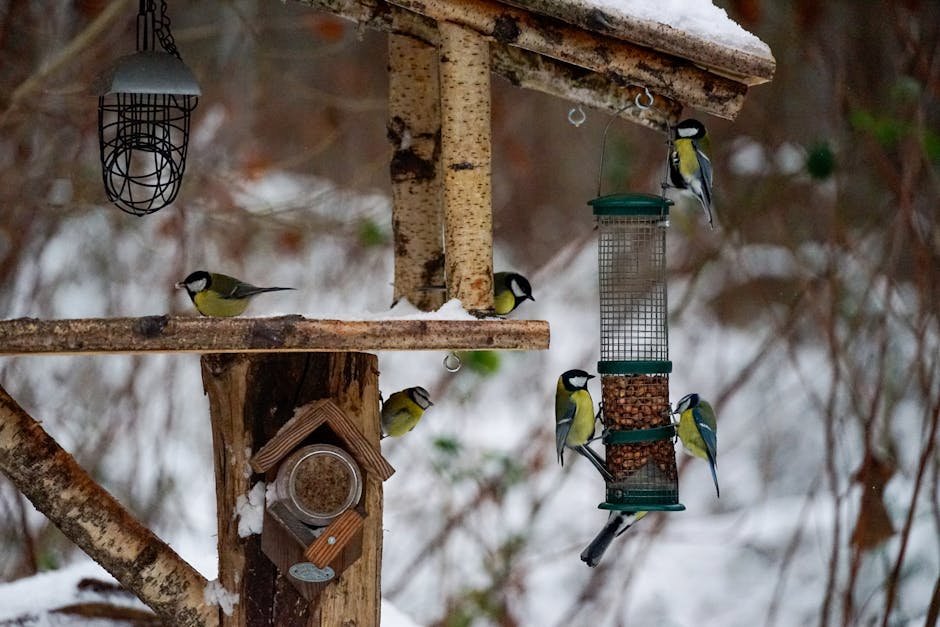
Setting up a bird feeder camera opens up a fascinating window into the vibrant world of garden birds. Whether you’re a seasoned birdwatcher or just starting your wildlife photography journey, understanding which feathered visitors to expect can enhance your bird watching experience. In this comprehensive guide, we’ll explore the most common UK garden birds you’re likely to capture on your bird feeder camera, along with essential tips for identification and attraction.
Getting Started with Bird Feeder Photography
Success in capturing stunning bird feeder moments starts with proper preparation and understanding your equipment. Modern bird feeder cameras offer remarkable capabilities, from high-resolution imaging to motion detection, but maximizing their potential requires strategic setup and patience. The key metrics for success include image quality, bird variety captured, and consistent visitor frequency.
Position your bird feeder camera 2-3 meters from the feeding station for optimal results. This distance provides the perfect balance between detail and field of view, allowing you to capture both individual birds and interesting interactions. Consider factors such as lighting conditions throughout the day, as the best bird feeder cameras can struggle in extreme brightness or low light situations.
Monitor your success through measurable outcomes: track the number of different species visiting daily, the quality of images captured, and the frequency of rare or unusual visitors. Many modern bird feeder cameras come with apps that help catalog these metrics, making it easier to assess and improve your setup over time.
Essential Setup and Preparation
Before diving into bird identification, ensuring your bird feeder station is properly equipped and positioned is crucial. Select a variety of feeders to attract different species – tube feeders for small birds, platform feeders for larger ones, and specialized feeders for specific treats like nyjer seeds or suet. The camera should have a clear, unobstructed view of all feeding areas.
Research shows that birds prefer feeding stations with nearby cover, such as shrubs or small trees, which provide quick escape routes from predators. Position your setup 1-2 meters from these safe havens while ensuring branches don’t block the camera’s view. Regular cleaning and maintenance of both feeders and camera equipment is essential for optimal results and bird health.
Consider creating a dedicated bird feeding zone with multiple camera angles to capture different perspectives. This might include ground-level feeding areas for species like robins and blackbirds, alongside elevated feeders for tits and finches. Remember to protect your camera equipment from weather elements while maintaining clear sight lines.
Top 10 Common Garden Birds to Watch For
The Blue Tit leads our list as one of Britain’s most frequent garden visitors. These agile, colorful birds are easily identifiable by their bright blue crown and yellow underparts. They’re particularly active at feeders during early morning and late afternoon, showing remarkable acrobatic skills as they navigate feeding ports. Your camera will frequently capture them hanging upside down to reach seeds.
Great Tits, slightly larger than their blue cousins, feature distinctive black and white heads with a yellow belly. These bold birds often dominate feeding stations and make excellent photographic subjects due to their confident behavior. House Sparrows, despite declining numbers in recent decades, remain common visitors, often arriving in small groups or pairs.
The European Robin, Britain’s national bird, is instantly recognizable by its red breast and inquisitive nature. They prefer feeding from ground-level platforms or tables and are more likely to visit during quieter periods. Chaffinches, with their pink-buff coloring and white wing bars, are regular visitors throughout the year, though males display brighter plumage during breeding season.
Goldfinches bring striking colors to your camera feed with their red faces and gold wing patches. They’re particularly attracted to nyjer seeds and can often be captured in small flocks. Blackbirds, despite their name, include brown females and are ground-feeding specialists, often seen early morning and late evening. The Long-tailed Tit, Greenfinch, and Coal Tit round out our top ten, each bringing unique behaviors and feeding preferences to observe.
Understanding Feeding Patterns and Behaviors
Different species exhibit distinct feeding patterns throughout the day, making timing crucial for successful photography. Early morning and late afternoon typically see the highest activity levels, with many species following predictable routines. Understanding these patterns helps optimize your camera settings and recording schedules.
Weather conditions significantly influence bird feeding guide feeding behavior. During cold spells, activity increases as birds seek to maintain energy levels. Rainy periods might see reduced activity, though some species become more active immediately after rainfall. Your camera can help document these behavioral changes and adaptation strategies.
Social hierarchies at feeding stations create fascinating interactions to capture. Dominant species like Great Tits often feed first, while smaller birds wait their turn or find alternative feeding ports. These dynamics provide opportunities for capturing interesting behavioral sequences and interactions between different species.
Seasonal Variations in Bird Activity
Bird feeding patterns shift dramatically with the seasons, affecting both the species you’ll encounter and their behavior. Winter months typically see increased activity at feeders as natural food sources become scarcer. Your camera might capture larger numbers of birds and more species variety during these challenging months.
Spring brings breeding season changes, with many birds seeking high-energy foods to feed their young. This period offers opportunities to photograph adult birds collecting food for their nestlings, though overall feeder activity might decrease as natural food becomes more abundant. Summer can be quieter at feeders but provides chances to capture juvenile birds learning feeding behaviors.
Autumn marks another transition period as birds prepare for winter, with some species forming larger feeding groups. This season often brings migrant visitors to gardens, adding variety to your camera captures. Understanding these seasonal patterns helps in adjusting camera settings and feeding strategies throughout the year.
Optimizing Your Bird Feeder Camera Setup
Fine-tuning your camera setup guide setup can significantly improve the quality of your bird observations. Experiment with different camera angles and heights to capture the most natural behaviors. Motion detection sensitivity settings should be adjusted based on bird size and movement patterns to avoid missing crucial moments while preventing excessive triggering.
Regular review of your footage helps identify patterns and opportunities for improvement. Track which camera positions yield the best results and note any blind spots or technical issues that need addressing. Consider using multiple cameras to cover different feeding zones and capture various perspectives of bird behavior.
Image quality optimization involves balancing factors like resolution, frame rate, and storage capacity. Higher resolution provides better detail but requires more storage space and may reduce battery life. Find the sweet spot that matches your observation goals while maintaining practical operation of your setup.
Common Challenges and Solutions
Even well-planned setups encounter challenges that can affect bird observation quality. Common issues include camera focus problems in changing light conditions, battery life limitations during peak activity periods, and weather-related complications. Developing solutions for these challenges ensures consistent monitoring and better results.
Unwanted visitors like squirrels can disrupt both feeding stations and cameras. Installing specialized guards and positioning techniques can help minimize these disruptions while maintaining good visibility for your target species. Regular maintenance checks help identify and address potential problems before they impact your observation quality.
Technical difficulties with wireless connectivity or storage management require systematic troubleshooting approaches. Establish regular backup routines for your footage and maintain spare equipment for critical components to minimize observation interruptions.
Frequently Asked Questions
What is the best time of day to capture birds on a feeder camera?
Early morning (dawn to mid-morning) and late afternoon are typically the most active periods for garden birds. However, different species may visit at various times throughout the day.
How can I attract more variety of birds to my feeder?
Offer a diverse range of food types including seeds, nuts, suet, and mealworms. Provide different feeder styles and heights, and ensure a nearby water source and shelter are available.
What’s the optimal distance between the camera and bird feeder?
Generally, 2-3 meters is ideal, providing good detail while maintaining a suitable field of view. This distance may vary depending on your camera’s specifications and the size of your feeding station.
Setting up a bird feeder camera opens up endless possibilities for observing and documenting the rich variety of garden birds in the UK. By understanding common species, their behaviors, and optimizing your setup, you can create a rewarding wildlife watching experience right in your garden.