Setting up the perfect bird feeding station for your garden camera requires more than just scattering some seeds and hoping for the best. The right combination of foods can transform your garden into a bustling wildlife hub, providing endless opportunities for capturing stunning footage of diverse bird species. This comprehensive guide will help you create an irresistible dining experience that attracts the widest variety of feathered visitors to your camera’s view.
Setting Goals and Measuring Success
Before diving into specific food choices, it’s essential to establish clear objectives for your bird photography equipment feeding station. The primary goal is to attract a diverse range of species while maintaining consistent visitor numbers throughout the day for optimal camera footage. Success can be measured through several key metrics, including the number of different species visiting daily, peak feeding times, and the duration of their stays.
Track your progress by maintaining a digital log of bird visits through your camera system. Modern bird cameras often include AI species recognition, making it easier to monitor diversity. Pay attention to feeding patterns – successful stations typically see regular visits from at least 5-7 different species daily, with peak activity during early morning and late afternoon hours.
Consider seasonal variations in your success metrics. Spring and autumn migration periods should show increased species diversity, while winter months might see higher overall visitor numbers as birds rely more heavily on supplementary feeding. Document which food combinations attract specific species, allowing you to adjust your offering based on which birds you most want to photograph.
Essential Preparation and Food Selection
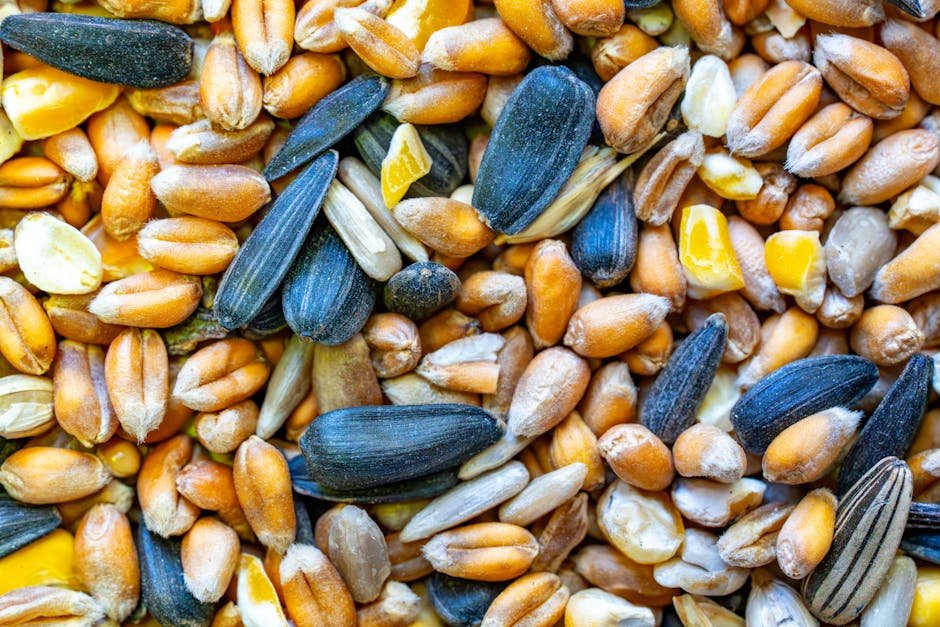
Successful bird feeding starts with selecting high-quality, fresh food sources that appeal to a wide range of species. Black oil sunflower seeds form the foundation of any good feeding station, as they attract everything from small finches to larger garden birds. These seeds have a high oil content and thin shells, making them accessible to most species while providing excellent nutritional value.
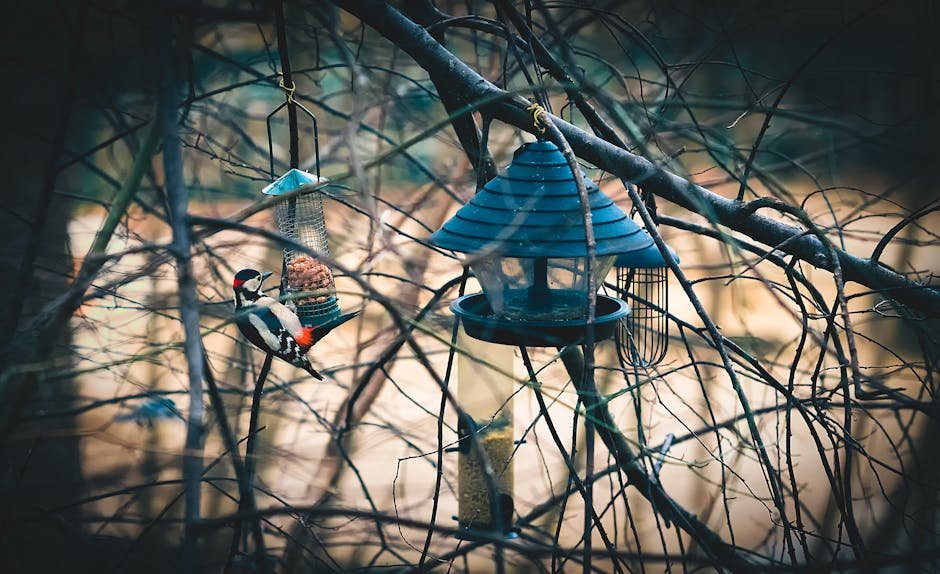
Complement your sunflower seeds with a carefully chosen mix of additional foods. Nyjer seeds are excellent for attracting finches and siskins, while suet balls or blocks appeal to tits, woodpeckers, and starlings. Include a portion of mealworms (live or dried) to attract insect-eating birds like robins and blackbirds. This diverse menu ensures your feeding station caters to different feeding preferences and dietary needs.
Quality matters significantly when selecting bird food. Avoid cheap mixes containing excessive amounts of wheat or split peas, as these often end up wasted on the ground. Instead, invest in premium seed mixes from reputable suppliers, ensuring they’re fresh and free from mould or moisture damage. Store your bird food in airtight containers in a cool, dry place to maintain its freshness and nutritional value.
Strategic Feeding Implementation
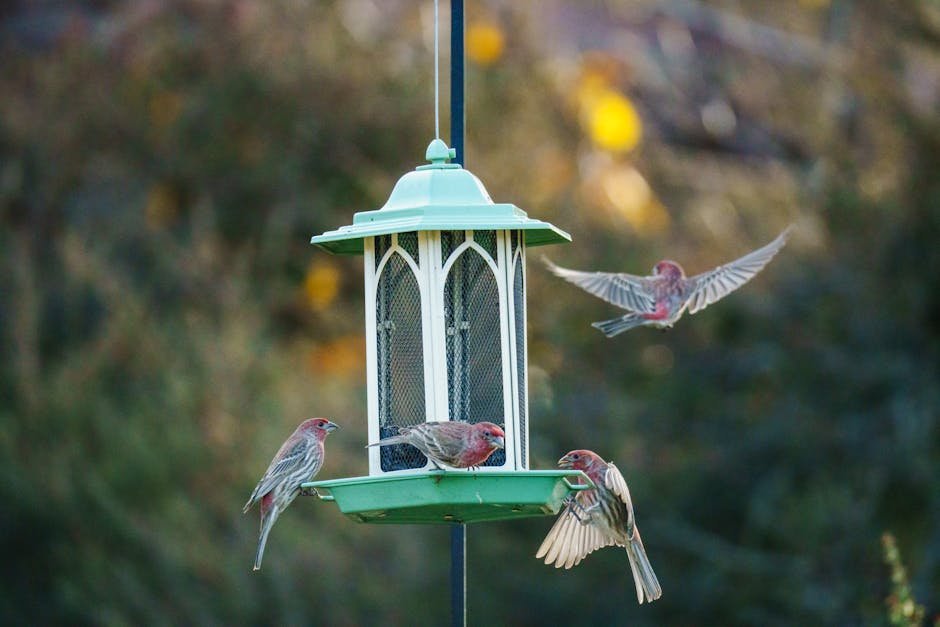
Implementing your feeding strategy requires careful consideration of feeder placement and timing. Position feeders 2-3 metres from your camera, ensuring clear sight lines and good lighting for optimal footage. Create multiple feeding zones using different types of feeders to reduce competition and accommodate various feeding styles. Tube feeders work well for seed mixes, while platform feeders are ideal for larger birds and ground feeders.
Establish a consistent feeding schedule to help birds develop regular visiting patterns. Start with small amounts of food across multiple feeders, replenishing them at the same times each day. This approach prevents food from spoiling while encouraging birds to visit when your camera is most likely to capture them. Morning and evening feeding times typically result in the most activity and best photographic opportunities.
Monitor and adjust your feeding strategy based on observed patterns. If certain feeders or food types aren’t attracting birds, try relocating them or changing the food mix. Keep feeders clean and regularly remove any spilled food from the ground to prevent attracting unwanted visitors and maintain garden camera setup guide hygiene. Consider adding a water source near your feeding station, as this can significantly increase bird activity and create additional photography opportunities.
Optimizing Your Feeding Station
Regular evaluation and refinement of your feeding strategy is crucial for maintaining high levels of bird activity. Use your camera’s footage to analyze which foods and feeding times generate the most interest. Look for patterns in species visits and adjust your food offerings accordingly. For example, if you notice a lack of ground-feeding birds, consider adding a dedicated ground feeding area with appropriate food choices.
Experiment with different food combinations while maintaining some consistency. Birds may take time to discover new food sources, so introduce changes gradually. Pay attention to seasonal bird feeding tips preferences – birds often prefer high-energy foods like suet during colder months and may show more interest in protein-rich options during breeding season. Keep detailed records of which combinations prove most successful for future reference.
Consider the impact of local factors on your feeding station’s success. Nearby natural food sources, weather conditions, and the presence of predators can all affect bird behavior. Create protective cover near your feeding station using native plants or strategically placed branches to help birds feel secure while feeding. This natural approach often results in longer feeding visits and better photography opportunities.
Success Story: A Year-Round Feeding Station
A notable example of successful bird feeding comes from a garden in the Cotswolds, where implementing these strategies transformed a quiet garden into a thriving bird sanctuary. Initially attracting just three common species, the carefully planned feeding station now regularly hosts over fifteen different species throughout the year. The key to this success was the implementation of a diverse feeding strategy combining high-quality seeds, suet products, and seasonal variations in food offerings.
The garden owner reported a significant increase in bird activity within the first month of implementing a premium feeding regime. By offering black oil sunflower seeds, nyjer seeds, and high-quality suet products, they created a reliable food source that attracted both common and unusual species. The addition of a shallow water feature near the feeding station further enhanced its appeal, resulting in extended bird visits and improved photography opportunities.
Documentation through their garden camera system showed a 200% increase in bird visits over six months, with particularly notable success in attracting species like bullfinches and long-tailed tits that were previously rare visitors. The consistent food quality and feeding schedule helped establish their garden as a trusted food source, leading to regular visits from resident birds and seasonal visitors alike.
Frequently Asked Questions
What is the best all-round bird food for attracting different species?
Black oil sunflower seeds are the most versatile option, attracting a wide range of garden birds while providing excellent nutritional value. Complement these with nyjer seeds and suet products for maximum species diversity.
How often should I replenish bird feeders for the best camera footage?
Replenish feeders daily, ideally in early morning and late afternoon when bird activity is highest. Maintain consistent feeding times to establish regular visiting patterns for better photography opportunities.
What’s the ideal distance between bird feeders and cameras?
Position feeders 2-3 metres from your camera for optimal viewing and photography. Ensure clear sight lines and consider natural light patterns throughout the day for the best possible footage.
Creating an effective bird feeding station for your garden camera is an ongoing process of observation and refinement. By selecting high-quality foods, maintaining consistent feeding patterns, and regularly adjusting your approach based on results, you can create a thriving wildlife hub that provides endless opportunities for capturing stunning bird photography.