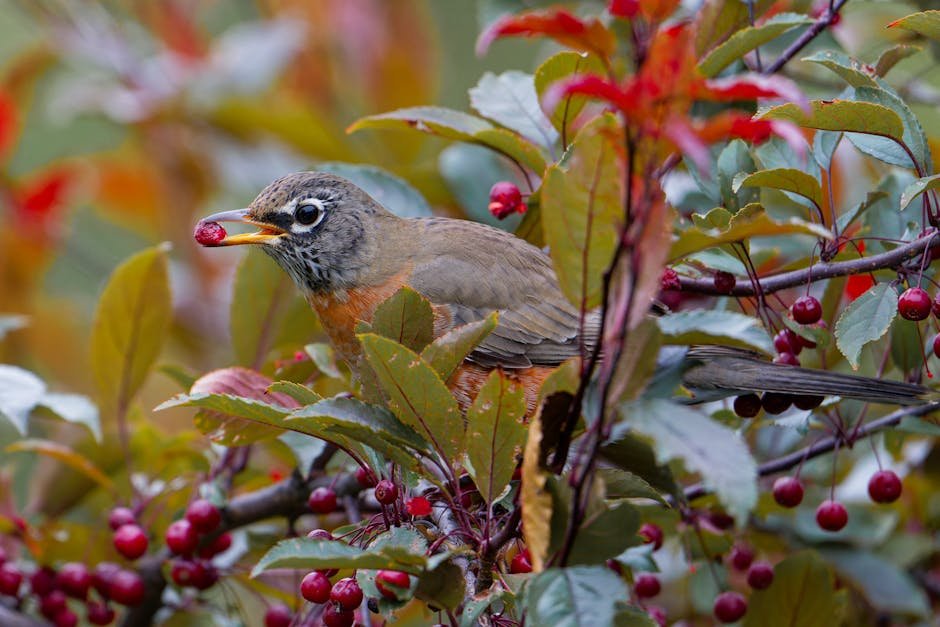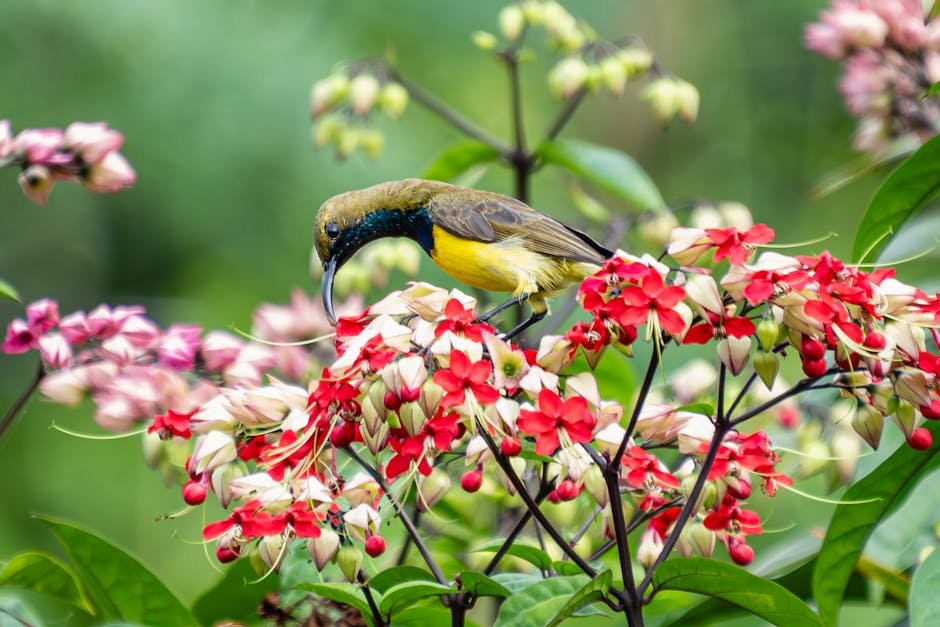
Creating a bird-friendly garden is more than just hanging feeders – it’s about crafting an ecosystem that provides natural food, shelter, and nesting opportunities throughout the year. By strategically selecting the right plants and designing your space thoughtfully, you can transform any garden into a thriving bird sanctuary that supports local wildlife while creating a stunning outdoor space. This comprehensive guide will walk you through the process of creating your own bird paradise, from initial planning to long-term maintenance.
Setting Your Bird Garden Goals and Success Metrics
Before diving into plant selection and garden design, it’s essential to establish clear objectives for your bird-friendly garden. The primary goal should be creating a sustainable habitat that supports local bird populations throughout the year, not just during peak seasons. Consider factors such as the types of birds common to your area, the size of your available space, and the existing natural features you can enhance.
Success in creating a bird-friendly garden can be measured through several key indicators. Track the number of different bird species visiting your garden, noting any increase in diversity over time. Monitor nesting activity, which indicates birds feel secure in your space. Observe feeding patterns throughout different seasons to ensure your garden provides year-round sustenance. Document the blooming and fruiting cycles of your plants to maintain continuous food availability.
Creating a seasonal calendar helps track these metrics effectively. Note when different plants flower and produce seeds, when various bird species typically appear, and how weather patterns affect bird activity. This information becomes invaluable for future planning and garden optimization. Remember that establishing a thriving bird habitat takes time – expect to see gradual improvements over several seasons as your plants mature and birds discover your garden.
Essential Preparation and Plant Research
Successful bird garden creation begins with thorough research into native plants that naturally occur in your local ecosystem. These plants have evolved alongside local bird species and provide the most appropriate food and shelter options. Survey your garden’s existing conditions, including soil type, sunlight patterns, and drainage characteristics. These factors will influence which plants will thrive in your space.
Create a comprehensive plant list that includes a mix of trees, shrubs, and perennials. Focus on plants that provide different resources throughout the year – spring nectar, summer fruits, autumn seeds, and winter berries. Consider plants like hawthorn, elder, and rowan for berries, teasels and thistles for seeds, and nectar-rich flowers like foxgloves and honeysuckle for insects that birds feed on.
Common obstacles include poor soil conditions, limited space, and competing garden uses. Address these challenges during the planning phase by selecting appropriate plants and creating zones that serve multiple purposes. Consider vertical growing options like climbers and wall-trained shrubs to maximize limited space. Research local suppliers of native plants and prepare your soil properly before planting to ensure optimal growing conditions.
Step-by-Step Garden Implementation
Begin your bird garden implementation by creating distinct vertical layers that mimic natural habitats. Start with larger trees and shrubs as the backbone of your garden, providing high perches and nesting sites. Plant these first to allow maximum growing time. Include both deciduous and evergreen species for year-round cover.
Next, establish your middle layer with flowering shrubs and tall perennials. Plant in groups rather than single specimens to create more impactful feeding stations and better shelter opportunities. Ensure adequate spacing between plants to allow for mature growth while maintaining dense cover that birds prefer for protection.
Create your ground layer with low-growing plants, including those that produce seeds and attract insects. Leave some areas of bare soil or short grass for ground-feeding birds. Install a shallow water feature or bird bath, ensuring it’s positioned near protective cover but away from potential predator hiding spots.
Incorporate specific features that enhance bird habitat value. Install nesting boxes at appropriate heights and orientations for different species. Create brush piles from pruned branches to provide shelter and foraging opportunities. Establish designated quiet zones away from high-traffic areas where birds can feed and rest undisturbed.
Maintain natural gardening practices by avoiding chemical pesticides and fertilizers. These can harm both birds and their insect food sources. Instead, embrace organic methods and allow nature to establish its own balance. Let some plants go to seed rather than deadheading everything, and leave seed heads standing through winter.
Optimizing Your Bird Garden Over Time
Regular monitoring and adjustment are crucial for maintaining an effective bird habitat. Keep detailed records of bird activity, noting which plants and features attract the most visitors. Use this data to inform future plant choices and garden modifications. Pay attention to seasonal patterns and adjust your maintenance schedule accordingly.
Experiment with different plant combinations and garden features to enhance bird attraction. Try varying the types of food sources available, such as adding plants with different fruiting times or seed production periods. Test different water feature designs to determine what works best for your garden’s visitors. Monitor which areas of your garden receive the most bird activity and strengthen these zones with additional supportive plantings.
Create a maintenance schedule that balances the needs of birds with garden aesthetics. Prune shrubs and trees outside of nesting season, typically conducting major maintenance in late winter or early autumn. Allow some areas to grow slightly wild while keeping others more manicured, providing diverse habitats within your space. Regularly assess plant health and replace any specimens that aren’t thriving with more suitable alternatives.
Success Story: A Suburban Bird Paradise
Consider the transformation of a typical suburban garden in Yorkshire that implemented these bird-friendly principles. Initially attracting only common species like house sparrows and blackbirds, the garden now regularly hosts over twenty different bird species throughout the year. The owner focused on creating distinct habitat zones, including a berry-rich hedgerow, a wildflower meadow area, and a small woodland corner.
Key to this success was the careful selection and placement of native plants. The addition of hawthorn, holly, and rowan trees provided essential winter berries, while establishing a mixed hedge of native species created valuable nesting sites. The introduction of water features and strategic placement of protective cover near feeding areas significantly increased bird activity.
Monitoring revealed a 200% increase in bird visits within the first year, with notable increases in species diversity by the second year. The garden now serves as a model for local wildlife gardening initiatives, demonstrating how thoughtful plant selection and habitat creation can transform even modest spaces into valuable bird sanctuaries.
Frequently Asked Questions
Which plants are best for attracting birds to a UK garden?
Native plants like hawthorn, rowan, elder, holly, and wild cherry are excellent for birds. These provide berries and shelter. Also consider teasel, thistles, and sunflowers for seeds, and nectar-rich plants like foxglove and honeysuckle that attract insects birds feed on.
How long does it take to establish a bird-friendly garden?
While you may see increased bird activity within months of planting, establishing a truly effective bird habitat typically takes 2-3 growing seasons. Trees and shrubs need time to mature and produce fruit, while natural feeding patterns take time to establish.
Should I remove all garden waste and fallen leaves?
No, leave some areas natural. Dead leaves and garden debris provide important foraging areas for birds seeking insects. Consider creating a dedicated ‘wild corner’ while keeping other areas more maintained.
Creating a bird-friendly garden through thoughtful planting and design not only supports local wildlife but also brings daily joy and connection with nature. By following these guidelines and remaining patient as your garden develops, you’ll create a sustainable habitat that benefits birds while enhancing your outdoor space. Remember that every garden, regardless of size, can make a valuable contribution to supporting bird populations.